Your shopping cart is empty!
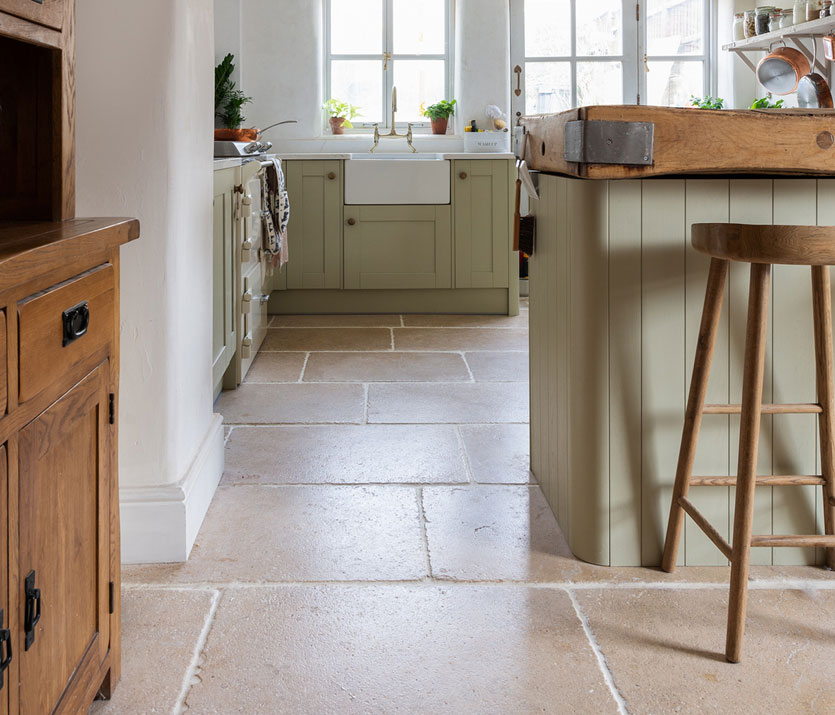
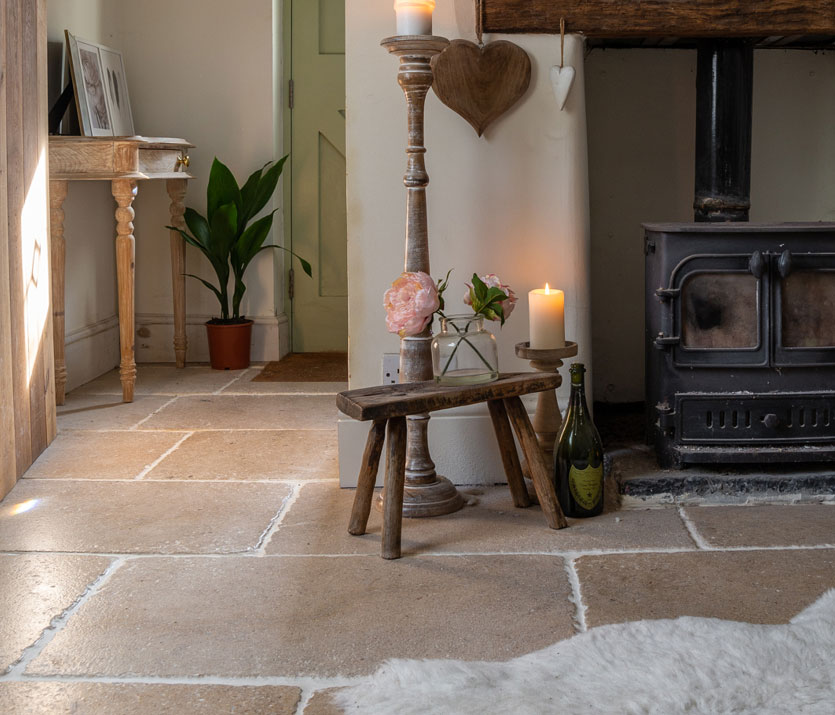
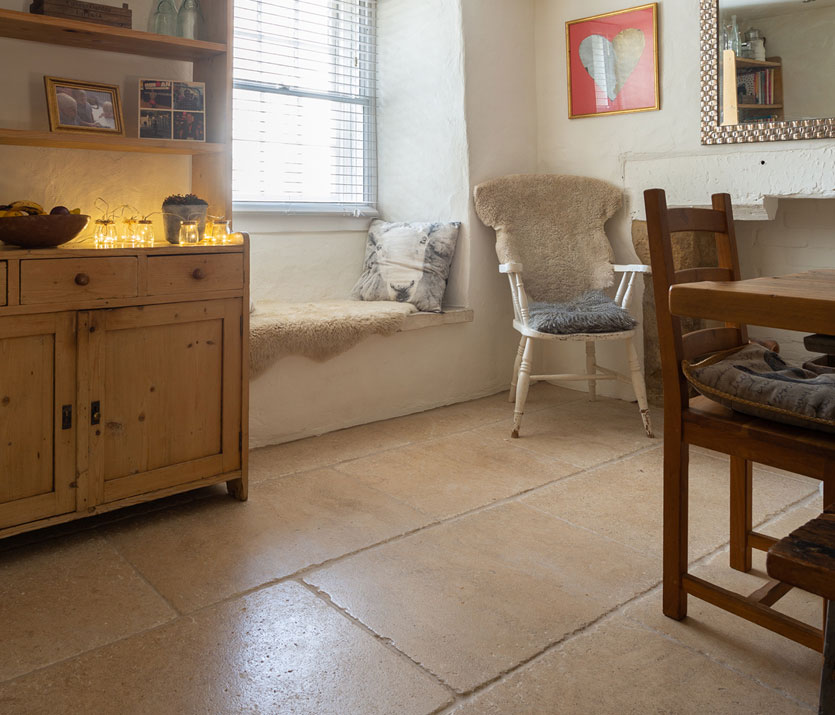
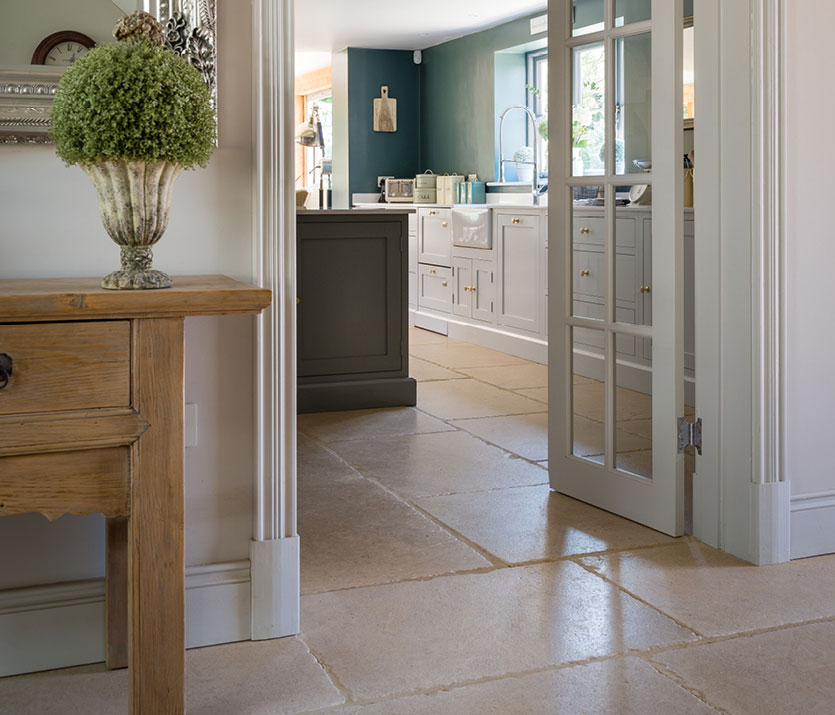
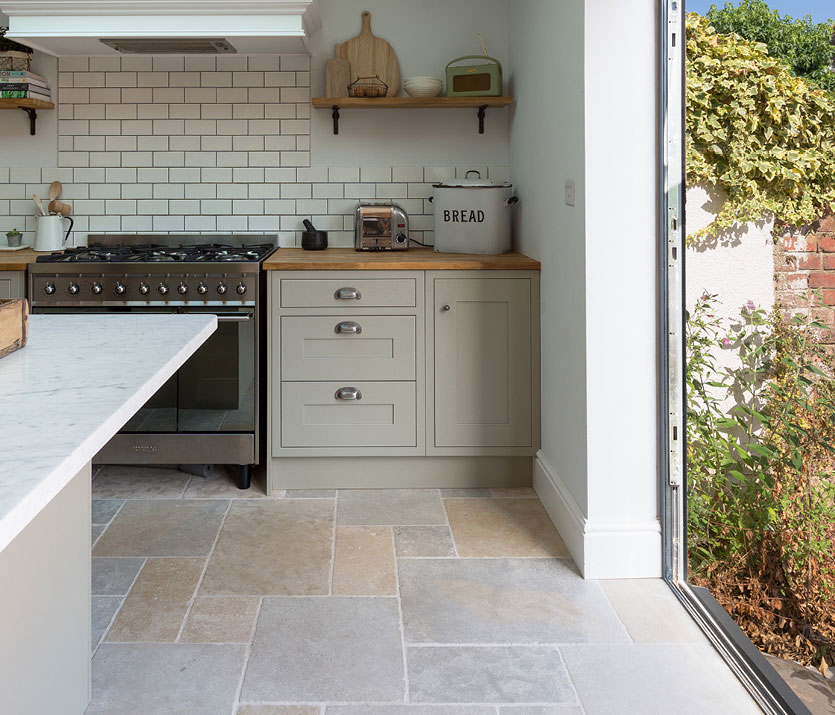
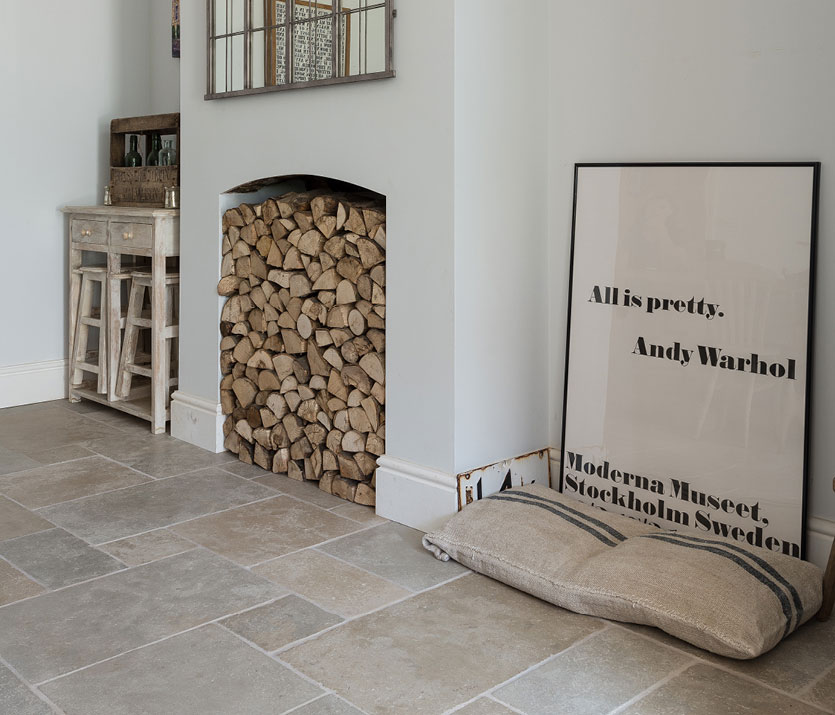
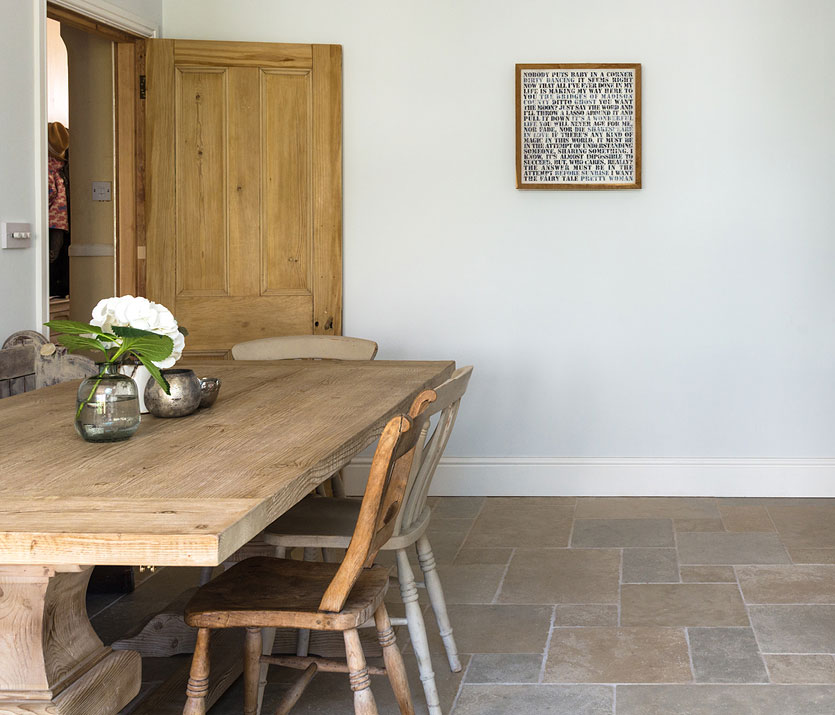
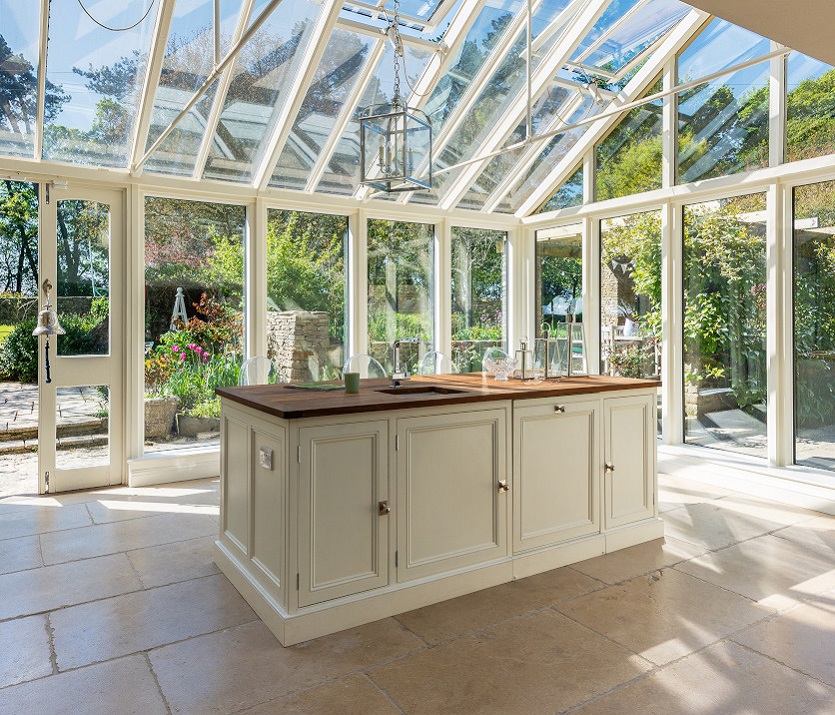
A stunning range of exceptionally high-quality real stone flooring and limestone flagstone flooring for interior floors and exterior paving. This collection of beautiful natural stone floor tiles and stone step treads is offered in a wide variety of textures and colours. From Grey Limestone tiles and delicately aged Limestone Floors, through to time-worn distressed Aged Stones, to hand-finished Cotswold Style Flagstones. Explore our A Guide to Buying Natural Stone Flooring


Which Stone is Best For Flooring?
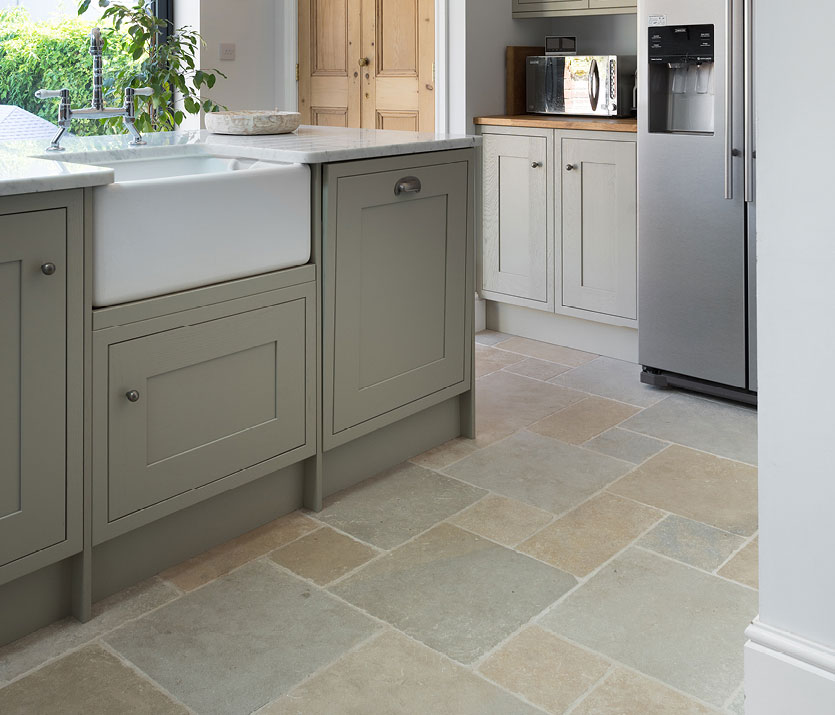
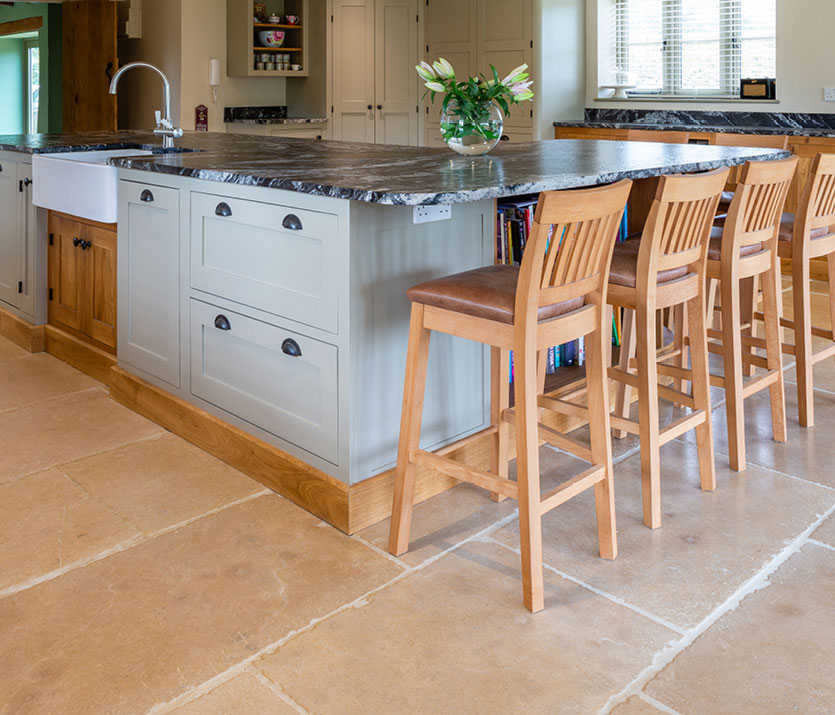
Investing in new stone tiles flooring for your home can present you with a challenge. How do you decide which option will suit you and your lifestyle best? The elegance and durability of natural stone flooring make it an attractive choice, especially for spaces such as a flagstone flooring kitchen, but there is a vast range of options to consider. Appearance, cost, and suitability for your living space and interior design are just some of the things to think about when choosing a new natural floor for your home.
What are the different types of stone flooring?
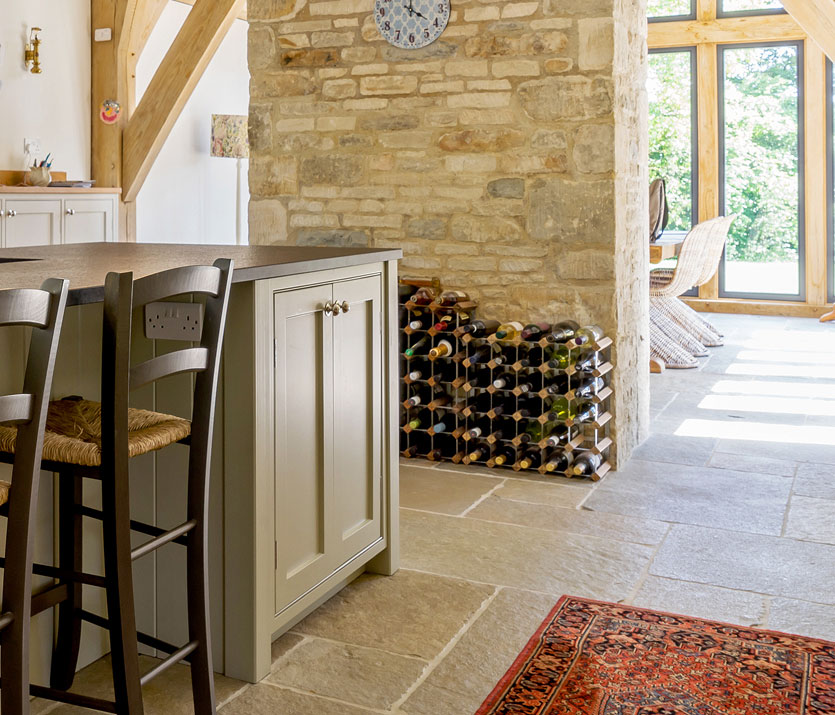
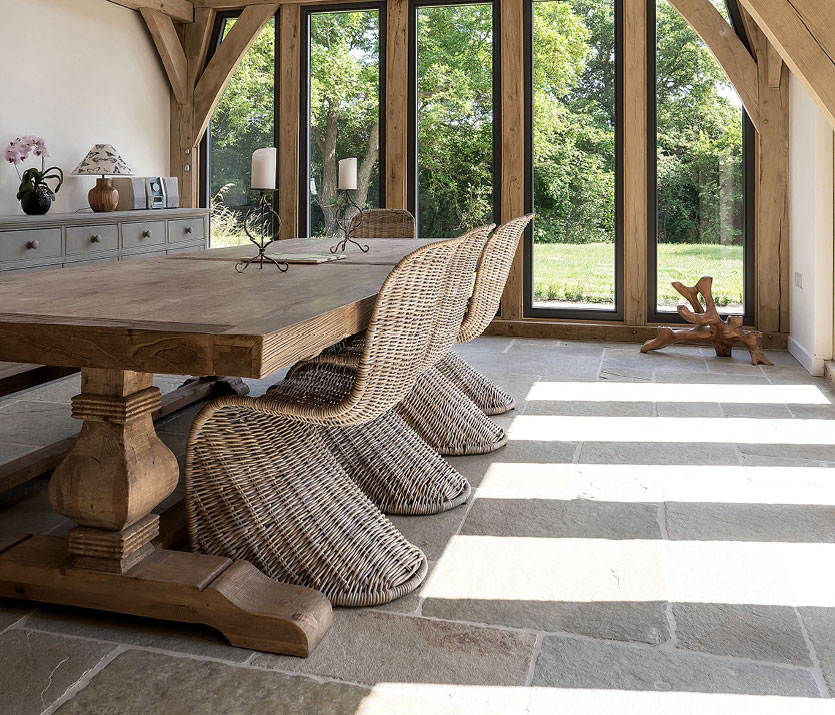
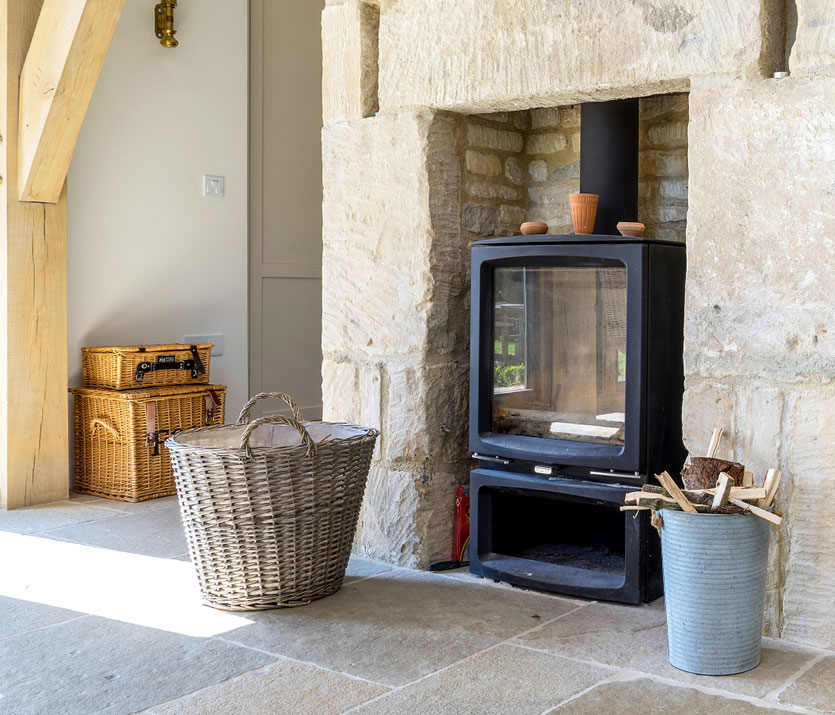
Limestone is a consistently stylish and timeless choice for stone flooring. It creates a luxurious effect whilst being both durable and hard-wearing. Limestone is highly versatile and can be used to create a beautiful finish in both contemporary and traditional natural stone floors.
Its earthy, natural tones are warm and inviting, and available in an array of colours, from pale white to sandy beige. Limestone is available in a variety of finishes, from Cotswold-style flagstones, to delicately aged grey tiles. Limestone remains the popular stone choice for many households as it is the perfect stone for underfloor heating, ideal for kitchen floors!
Limestone floor tiles are super durable, meaning they are great for busy family homes, and at a much more friendly price point compared to granite floor tiles or marble tiles. Though one thing to note, Limestone is less stain resistant, and can be damaged with harsh cleaning chemicals.
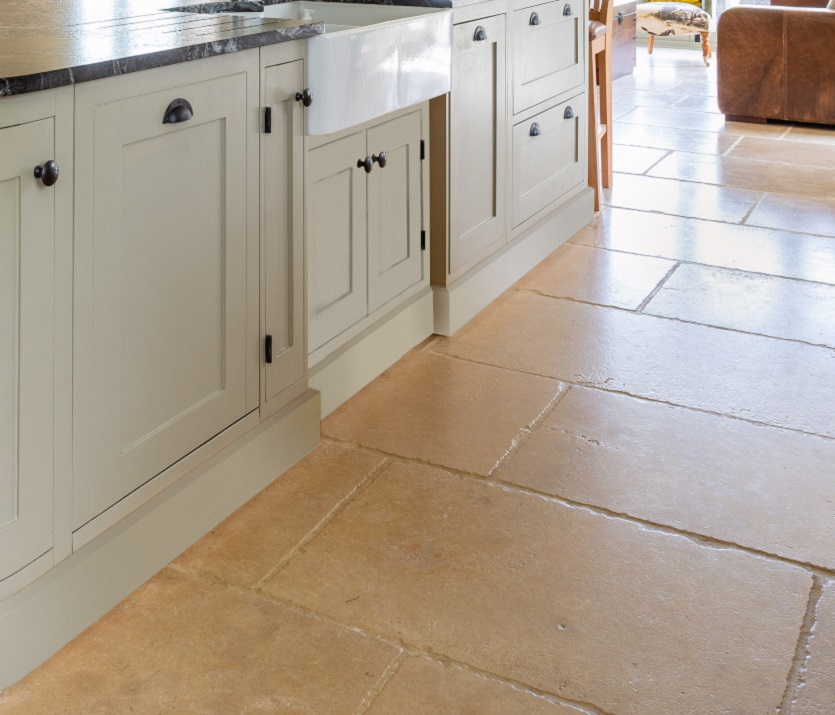
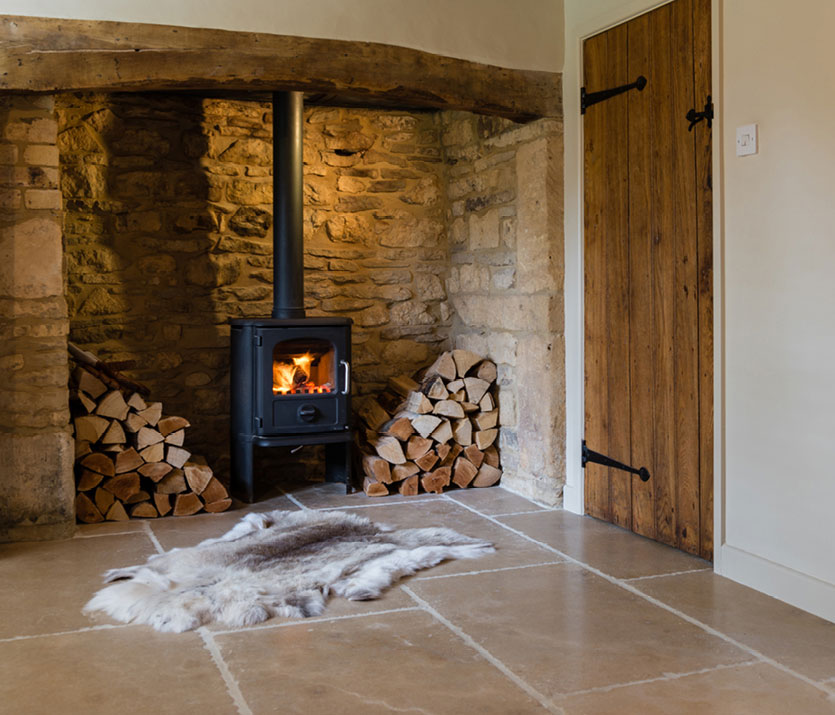
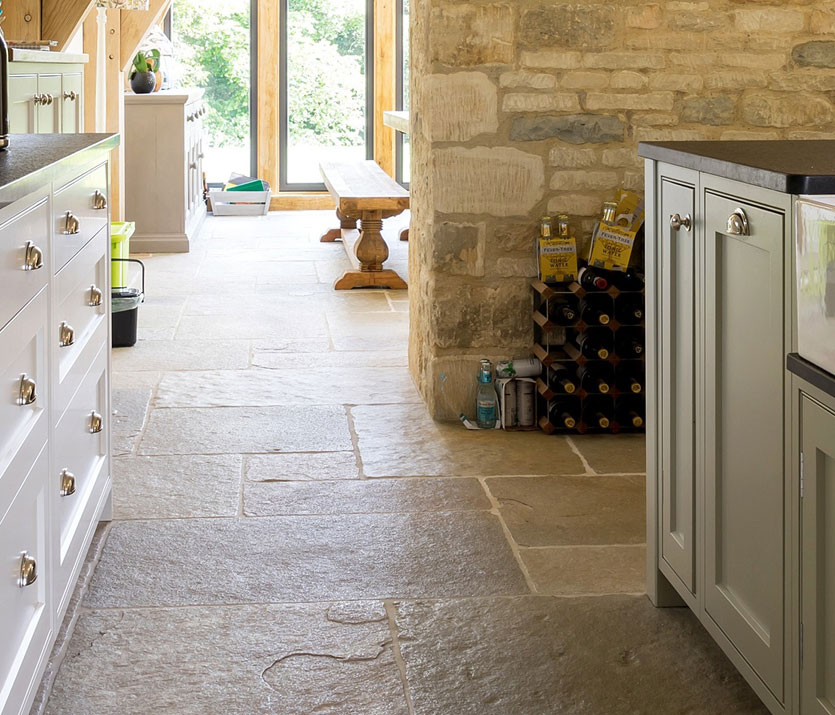
If you want to create a rustic appearance in your home, with natural stone tiles, then aged natural tiles might the best solution. Created by distressing new tiles, they have a textured surface and worn edges, creating a warm and inviting atmosphere. Stones such as Avignon heavy limestone are popular for those looking for an economical option, while still achieving. a stunning effect. If you are aiming for a truly luxurious and opulent finish, then Villiers Grey limestone may be what you are looking for.
Cotswold-style flagstones are an increasingly popular choice for homeowners wanting to recreate the traditional effect of Cotswold flagstones at a fraction of the cost. Natural stone tiles is sourced and then gently aged and hand-finished to create a beautiful floor which would suit any indoor living space. This flooring can be seamlessly transitioned into an outdoor space by using thicker external finishes. Not only are Cotswold style flagstones a more economical choice than the original Cotswold stones, but they are far more durable, making them the perfect choice for any family home.
Frequently Asked Questions:
Q1: Which kinds of natural stone tiles do you stock?
The collection includes everything from classic limestone and aged stone to Cotswold-style flagstones, grey limestone floors, outdoor paving, and matching stone steps. Each range has its own character, so there’s something for every style of home.
Q2: Can I use your stone tiles both inside and outside my home?
Yes. You’ll find plenty of options that work beautifully inside and out. Many stones come with matching thicker outdoor pieces, making it easy to create that smooth indoor-to-garden flow.
Q3: Why should I consider limestone for my flooring?
Limestone brings a warm, timeless look to any room. It’s durable, easy to live with, and works brilliantly with underfloor heating. The choice of colours and finishes also makes it a favourite for both modern and traditional spaces.
Q4: What does aged, “distressed" or tumbled stone mean?
Aged, distressed, or tumbled stone is new natural stone that has been intentionally weathered—usually by tumbling or light hand-finishing—to soften sharp edges, add gentle surface texture, and create the look of stone that has naturally worn over time, giving it an attractive, antique, lived-in character.
Q5: What distinguishes Cotswold-style flagstones from standard flagstones?
Cotswold-style flagstones are hand-finished to capture the look of original Cotswold stone without the high cost or maintenance. They feel traditional, but they’re made to stand up to busy, modern family life.
Q6: Which stone tiles are most durable for outdoor spaces?
Outdoor-rated limestone and thicker external flagstones are your best bet. They’re designed to handle weather, foot traffic, and day-to-day wear without losing their natural beauty.
Q7: How do I pick the right stone tile for my project?
Think about the look you want, how much foot traffic the space gets, and whether the area runs outdoors too. From there, it’s all about choosing a finish that suits your home’s style: rustic, clean, modern or something in between.
Q8: Do you have sample tiles I can order or view?
Yes. Small samples can be posted out, and larger samples are available to view in the showroom if you prefer seeing the stone in person.
Q9: Do you deliver stone tiles across the UK?
Delivery is available throughout the UK, with options for more remote areas as well. If you’re outside the mainland, the team can advise on the best way to arrange delivery.
Q10: How do you ensure your stone comes from responsible sources?
The team works directly with quarries and visits them regularly. That hands-on approach helps ensure good practices, consistent quality, and long-term, responsible sourcing.