



Your shopping cart is empty!
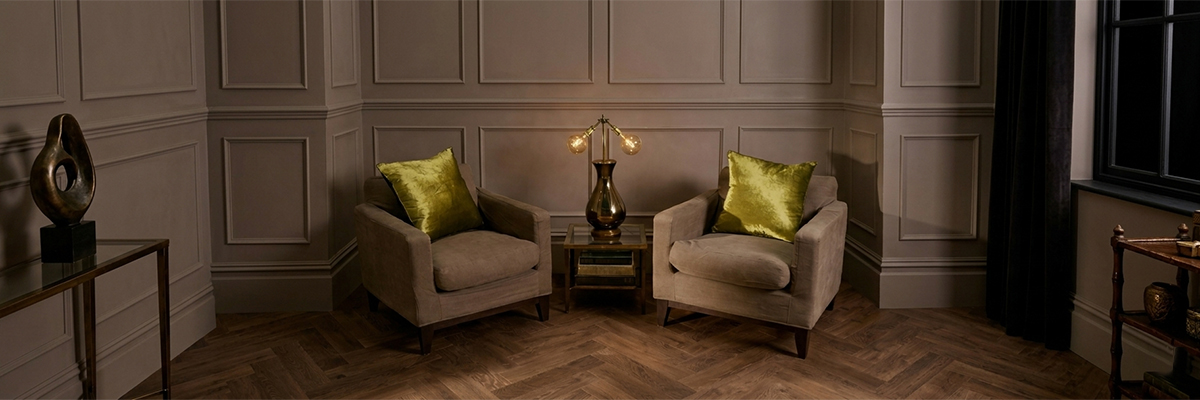
Thinking about new oak flooring? It’s easy to fall in love with the colour, the grain, or that perfect herringbone pattern. But before you get carried away with samples and mood boards, there’s something far more important to check: thickness and wear layer. These two details quietly decide how long your floor will last and whether it will still look good in twenty years.
Let’s break it down simply, so you can choose with confidence.
What Is Engineered Oak Flooring?
Engineered oak appears as solid wood at first sight. The top layer is real oak, which gives you that natural warmth and character. It is made of layers of plywood under, instead of being a single piece of timber. These layers are tied together to build strength and stability.
Related Products :
Morel Hardwax Engineered Oak
Oak Maintenance & Installation
Old Coffee Antique UV Oiled Engineered Oak Flooring
Shop Now:- Barnwood Hearth Satin Aged Hardwaxed Engineered Oak Flooring
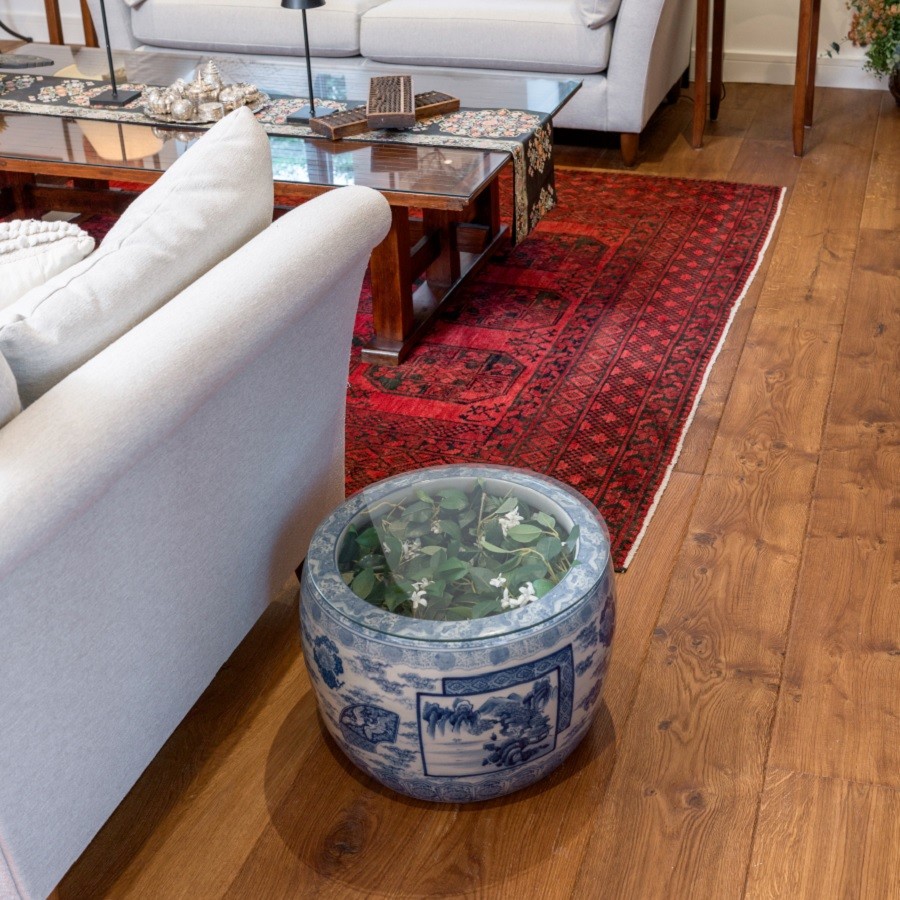
Why does that matter? This construction helps reduce movement caused by changes in temperature and moisture. In a typical UK home, where heating goes on and off, and the weather rarely behaves, that stability makes a big difference. It’s also why engineered oak works well with underfloor heating.
Total Thickness: What Do the Numbers Mean?
When you’re looking at flooring, you’ll notice numbers like 14mm, 18mm, or 20mm. That’s just the total thickness of each board, oak on top, plywood underneath.
Here’s what you should know:
14mm–15mm is common for many homes, and they’re great for bedrooms or anywhere that doesn’t get a ton of foot traffic.
18mm–20mm is good if you want something that feels sturdier, especially in high-traffic spots like hallways or kitchens.
Thicker boards also help with sound and just feel a bit more solid.
However, thickness isn’t everything. There’s more to picking the right floor than just that number.
Product Link:- Barnwood Rustic Chestnut Satin Oak Flooring
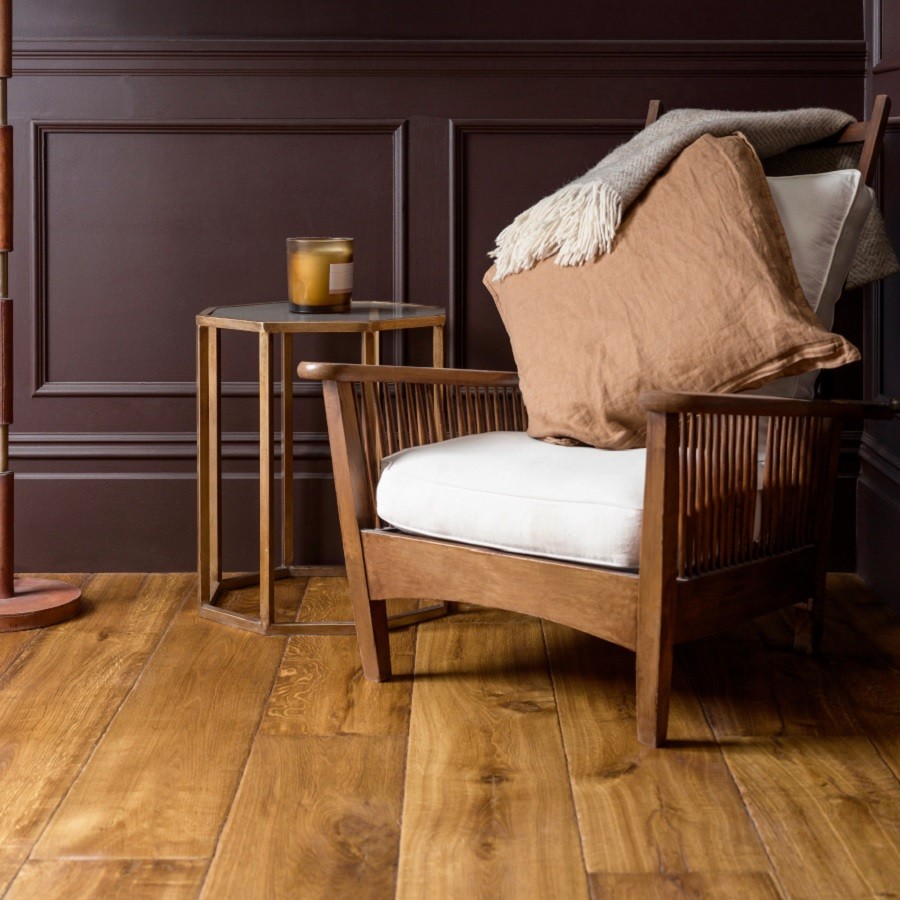
The Wear Layer: The Detail That Really Counts
Now we come to the key point: the wear layer.
The wear layer is the top layer of real oak. This is the part you see and walk on. It usually runs between 2mm and 6mm thick. A thicker wear layer means you can sand and refinish your floor if required more often down the road.
Here’s a simple way to think about it:
2mm–3mm wear layer: Suitable for lighter use and may allow light sanding once.
4mm–6mm wear layer: More durable, can usually be sanded multiple times, and lasts much longer.
If you want a floor that can handle family life, pets, and daily traffic, a thicker wear layer gives you more breathing space. It’s like having extra insurance built into the board.
How Thickness Affects Lifespan
So, how long does engineered oak flooring last? The honest answer is: it depends.
A board with a thinner wear layer may last 15–20 years with careful use. A board with a 4mm or 6mm wear layer can last 30 years or more if maintained properly.
Shop Now:- Old Wood Brown Engineered Oak Flooring
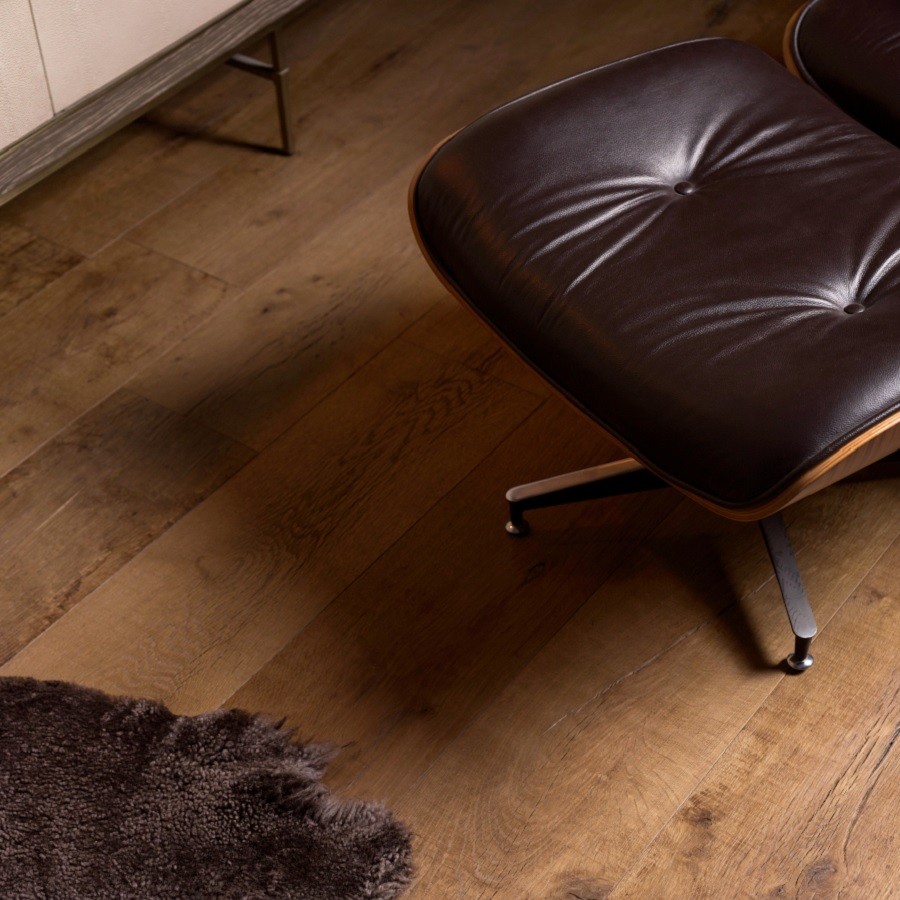
Of course, finish also plays a role. Oiled floors can be spot-repaired more easily, while waxed finishes tend to offer stronger surface protection. But without a decent wear layer, even the best finish won’t save the floor long term.
If you’re investing in oak flooring for the long haul, this is not the place to cut corners.
Choosing the Right Thickness for Your Home
Every home is different, so your choice should reflect how you live.
For a flat or a spare room, a 15mm board with a solid wear layer may be perfectly suitable. For a busy family home with children and muddy boots coming through the hallway, going thicker makes sense.
If you’re installing over underfloor heating, stability is essential. Engineered oak is ideal for this, but choosing a well-constructed board with balanced layers ensures it performs properly.
And don’t forget door heights and transitions to other floors. Thicker boards feel luxurious, but they need to work practically within your space.
Product Link:- Old Wood Light Brown Engineered Oak Flooring
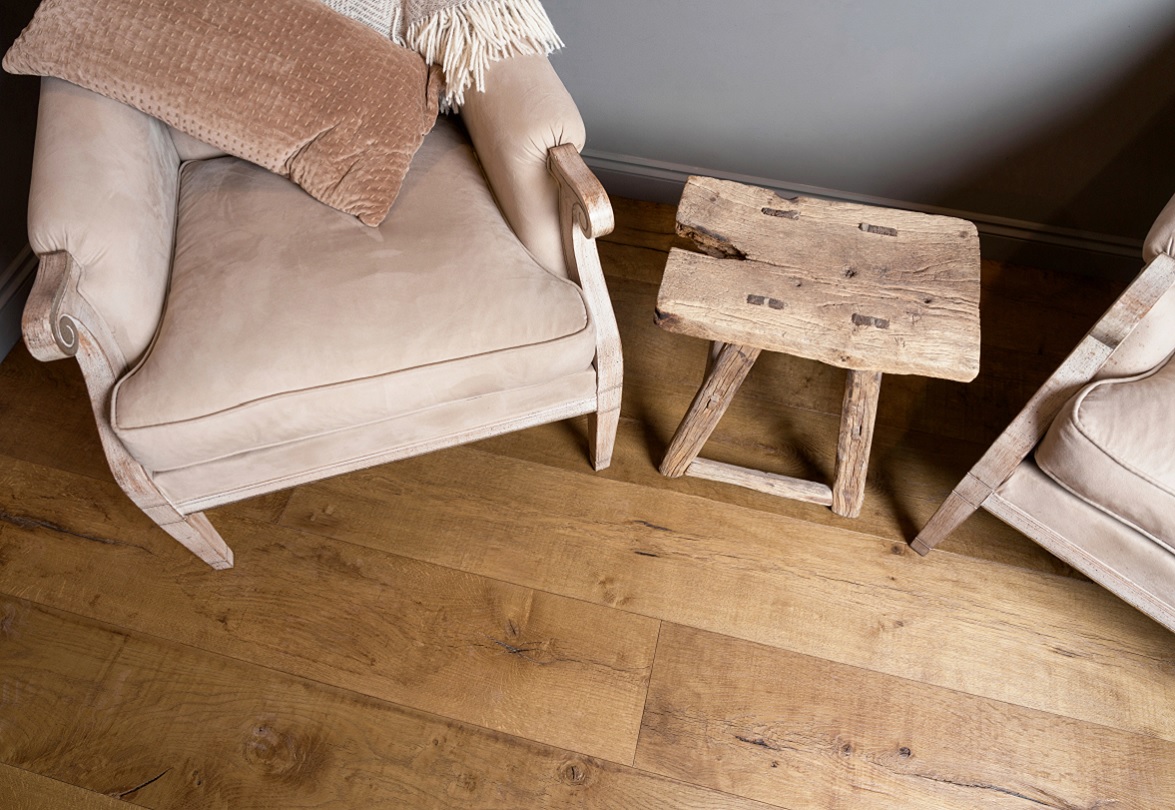
Does Thicker Always Mean Better?
Not necessarily.
A 20mm board with a 3mm wear layer may not outlast a 15mm board with a 4mm wear layer. That’s why it’s important to check the breakdown, not just the overall number.
It’s easy to assume thicker equals stronger, but the top oak layer is what determines how many years of sanding and refreshing your floor can handle.
When comparing options, always ask:
- What is the total thickness?
- What is the wear layer thickness?
Clear answers now prevent disappointment later.
What About Refinishing?
One of the main reasons people choose oak flooring is the ability to restore it.
Scratches happen. Styles change. After a decade or two, you may want to refresh the surface. With a thicker wear layer, sanding and refinishing can bring the floor back to life without replacing it entirely.
That’s where investing in a higher wear layer truly pays off. Instead of ripping everything up, you simply renew the surface. It’s a long-term view that often works out better value in the end.
Style Meets Structure
While thickness and lifespan are crucial, you don’t have to compromise on style. Whether you prefer light tones that brighten a space, rich dark shades for a cosy feel, or classic herringbone for character, engineered oak comes in a wide range of finishes.
Extra-wide planks can make a room feel larger. Antiqued textures add warmth and depth. Smooth finishes create a cleaner, modern look. The good news is you can choose a beautiful design while still selecting the right structure beneath it.
Shop Now :- Hobsons Tumbled Herringbone Hardwaxed Engineered Oak Flooring
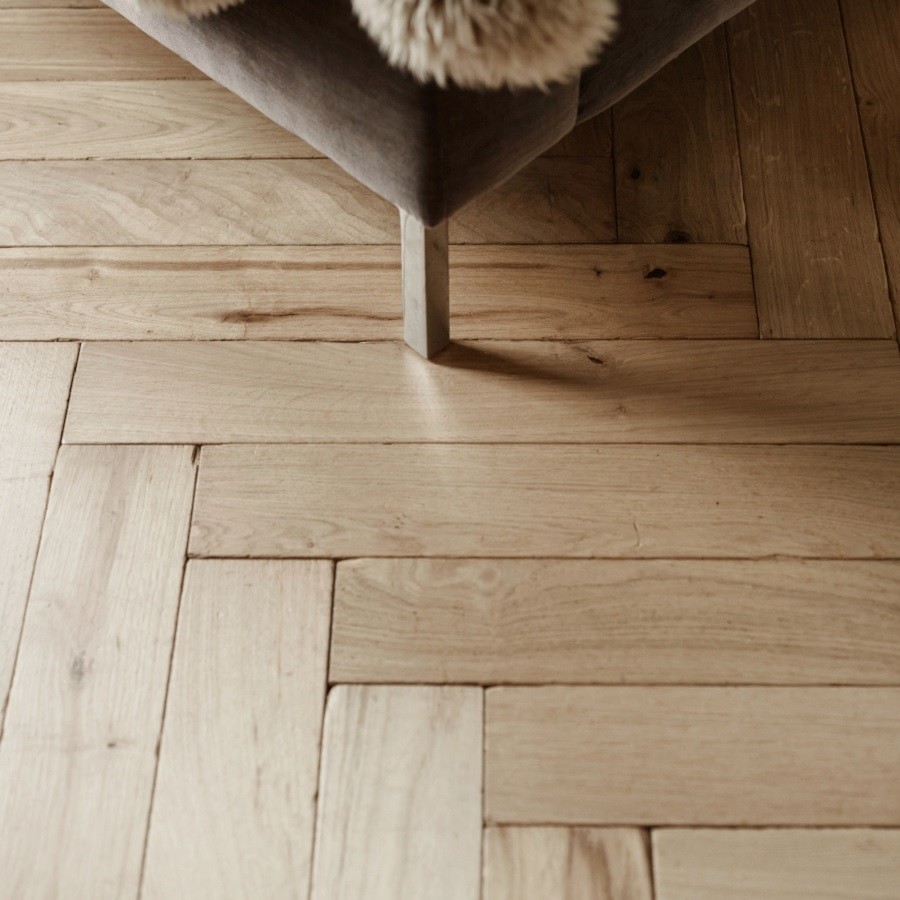
A well-made engineered oak floor combines both strong construction and a timeless appearance.
Final Thoughts: Buy Smart, Not Just Beautiful
It’s easy to focus on colour and pattern, but the real value of engineered oak floors sits beneath the surface. Before you buy, check the wear layer thickness. Think about how long you want the floor to last. Consider how your household uses the space. Ask questions about refinishing potential.
When you choose a well-constructed board with a generous wear layer, you’re not just buying flooring. You are making an investment in something that can get you through in day-to-day life and even look good many years later.
Take your time, make a comparison, and settle on a floor that makes sense in terms of appearance and structure. Engineered oak used well can be a timeless treasure in your house, and that is a choice you want to make and get right.
If you want to get a feel for different thicknesses, just head to a specialist showroom. At Beswick Stone, you can check out all sorts of engineered oak flooring: light tones, herringbone patterns, and even extra-wide boards. Everything’s designed with modern British homes in mind.
Related Products
