



Your shopping cart is empty!
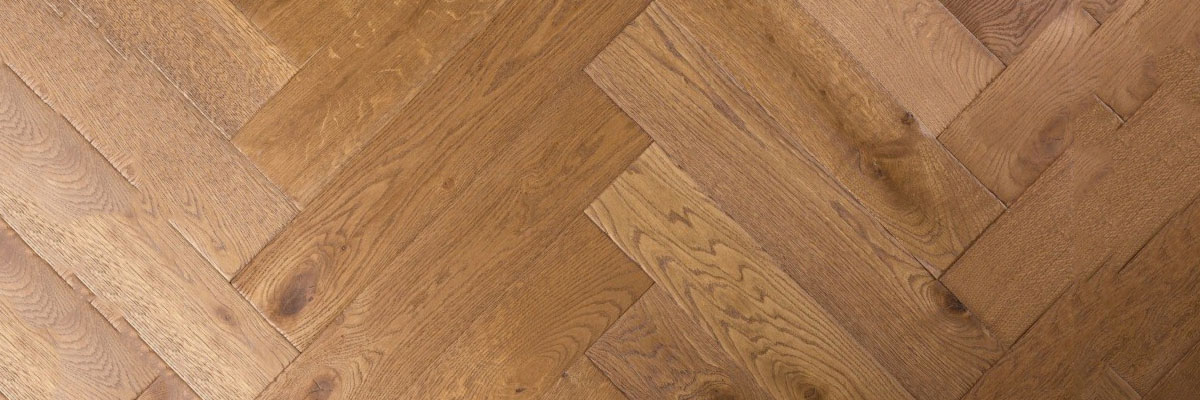
Flooring decisions typically begin with colour or type of wood. Pattern comes later, yet it has a bigger impact than most people expect. Your choice of layout will determine the appearance of a room, the direction of light flow, and how the space feels day to day. That’s why the choice between chevron and herringbone deserves special attention.
If you are comparing the two, you are likely already considering a herringbone wood floor or something similar. This guide keeps things practical, making it easier to choose the right pattern for your home.
Chevron vs. Herringbone: Key Differences Explained
Both patterns fall under parquet flooring, yet the way they are made and installed makes them different. Chevron uses planks that are cut at an angle. When laid, they take a continuous V shape with sharp, well-defined joins. The pattern appears to be directional and sharp.
Herringbone uses rectangular planks that are installed in a staggered system. Each piece meets the next at a right angle to form a broken zigzag structure. The result is less stiff and much more textured.
This difference not only has an impact on appearance, but also on the compatibility between the floor and your space.
Visual Impact: How Each Pattern Changes a Room
Chevron creates strong lines and draws your focus along the direction of the pattern. In narrower rooms, this can make the space feel longer. It also works well in settings where symmetry matters.
Herringbone spreads visual movement more evenly. Instead of directing your focus in one direction, it adds depth across the floor. That’s why many homeowners prefer herringbone engineered flooring in living areas. It feels balanced without standing out too much.
In practical terms, Chevron stands out more, while herringbone blends in more naturally.
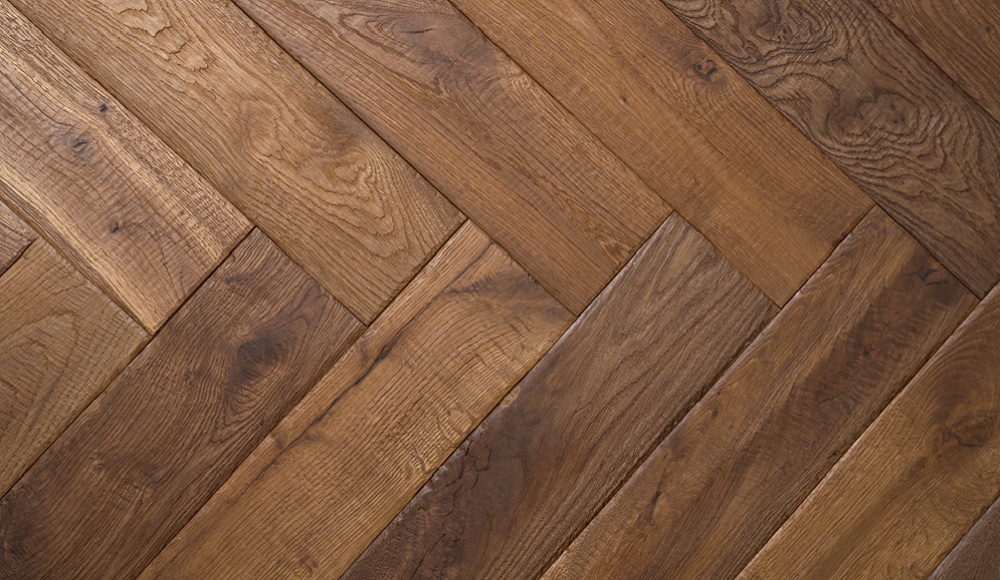
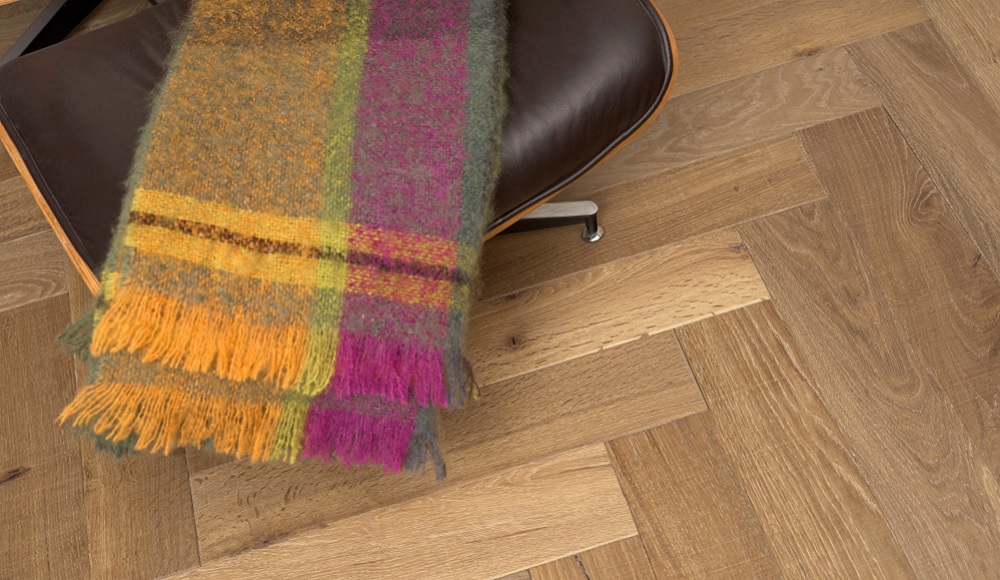
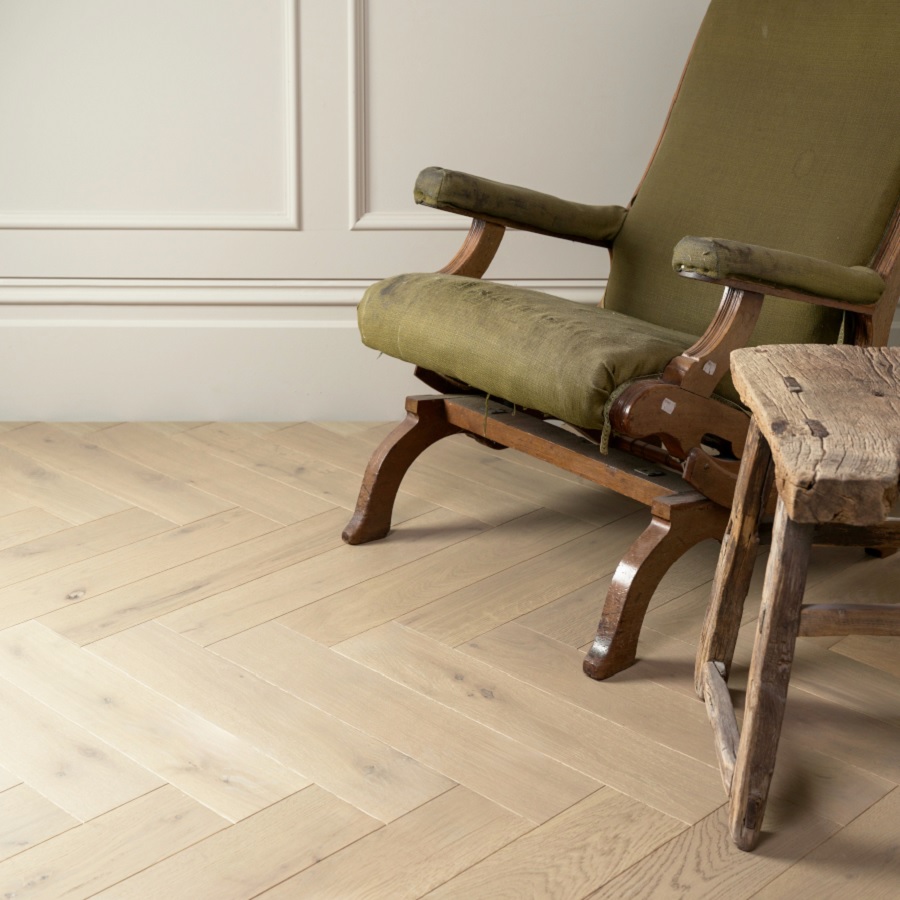
Which Pattern Works Better for Your Interior Style?
Pattern should support your interior, not compete with it. Chevron tends to suit:
- Modern homes with clean lines
- Spaces with minimal furniture
- Interiors where the structure is already strong
Herringbone works in:
- Period properties
- Mixed-style interiors
- Spaces where you want warmth without clutter
A herringbone wood floor gives more flexibility if you’re not designing around one fixed style. It works well across different rooms.
Engineered Oak vs Solid Wood: What You Should Know
The majority of homeowners now choose engineered oak rather than solid wood, and for good reason. Engineered boards are built in layers. The uppermost layer is real oak, and the bottom ones add stability. This helps minimise movement caused by changes in temperature or moisture.
That makes herringbone engineered flooring a practical choice with:
Underfloor heating
Kitchens and open-plan spaces
Homes with regular temperature changes
You still get the look of solid wood, but with fewer long-term concerns.
Installation Differences and Practical Considerations
Installation is where chevron and herringbone differ more than people expect. Chevron needs precise cuts and alignment. All the planks have to meet at an exact angle. This increases installation time and cost.
Herringbone is still detailed but more flexible. Installers use straight planks, which allows them to make minor changes when fitting.
Here’s a quick comparison:
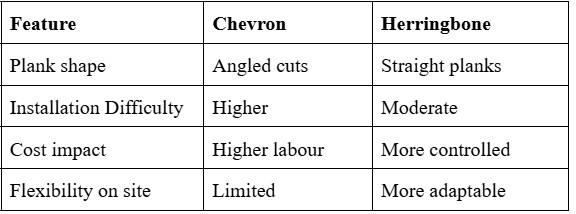
For most homes, herringbone engineered wood flooring offers a smoother installation process without compromising on appearance.
Cost Comparison: Chevron vs Herringbone Flooring
Cost depends on materials and labour. Chevron flooring is more expensive because of:
- Pre-cut angled boards
- More complex fitting
- Higher labour time
Herringbone is generally more cost-effective. It uses standard plank shapes and makes better use of materials.
This is the reason why herringbone-designed flooring is often seen as a better value. You still have a detailed pattern without the added complexity of installation.
Maintenance and Long-Term Performance
Both patterns work well when properly installed, especially with engineered oak. But the herringbone has a little advantage in everyday use.
The staggered design helps in concealing minor marks and damage, which keeps the appearance of the floor over time. Herringbone wood flooring is easier to maintain in the busiest parts of the house, such as hallways and living rooms.
Regular care is simple:
- Vacuum or sweep frequently.
- Apply an appropriate wood cleaner.
- Avoid excess moisture
Engineered oak flooring can last for years with proper care without losing its finish.
Choosing the Right Finish for Your Space
Pattern is only part of the decision. Finish plays a big role in how the floor looks once installed. From the collection shown, finishes include:
- Hardwax oiled for a natural look
- UV oiled for added durability
- Brushed textures for more visible grain
Darker tones, such as smoked or coffee coloured finishes, add depth and suit more traditional interiors. Lighter shades, including brushed white or soft grey, open up smaller rooms and reflect more light.
When paired with herringbone engineered wood flooring, these finishes allow you to shape the overall feel of the space without changing the pattern itself.
When Herringbone Is the Better Choice
If you’re choosing between the two, herringbone can be a better choice for everyday living. It tends to work better when:
- You want a pattern that can be used in multiple rooms.
- You like a balance between traditional and modern.
- You want one which will not feel dated as time goes by.
Due to its versatility, herringbone engineered flooring remains a popular choice in both renovations and new constructions.
Final Thoughts: Making the Right Decision
Both chevron and herringbone provide great visual effects, yet they have different purposes. Chevron is more structured and directional, making it a good fit for areas where you desire a clear line and a specific layout.
Herringbone is more flexible. It is detailed but does not clutter up the room and can be used in various interior styles. A herringbone wood floor offers a secure balance between style and functionality in most homes.
If you need engineered oak options with a consistent finish and emphasis on functionality, the herringbone collection at Beswick Stone is designed to fit into real homes and keep it focused on functionality.
Frequently Asked Questions
1. Which is better: chevron or herringbone flooring?
Both patterns work well, but the right choice depends on your interior style. Chevron suits modern spaces with clean lines, while herringbone offers a more classic and versatile look that fits most homes.
2. Is herringbone flooring more expensive than chevron?
No, herringbone flooring is usually more affordable. Chevron flooring often costs more because it requires angled cuts and more precise installation.
3. Can engineered herringbone flooring be used with underfloor heating?
Yes, engineered herringbone flooring is compatible with underfloor heating. Its layered construction provides better stability during temperature changes.
4. Which flooring pattern is easier to maintain?
Herringbone flooring is generally easier to maintain because its staggered design helps hide small scratches, dust, and everyday wear more effectively.
5. Does chevron or herringbone make a room look larger?
Chevron can make a room appear longer due to its directional pattern, while herringbone adds depth and creates a more balanced visual effect throughout the space.
Related Products
