



Your shopping cart is empty!
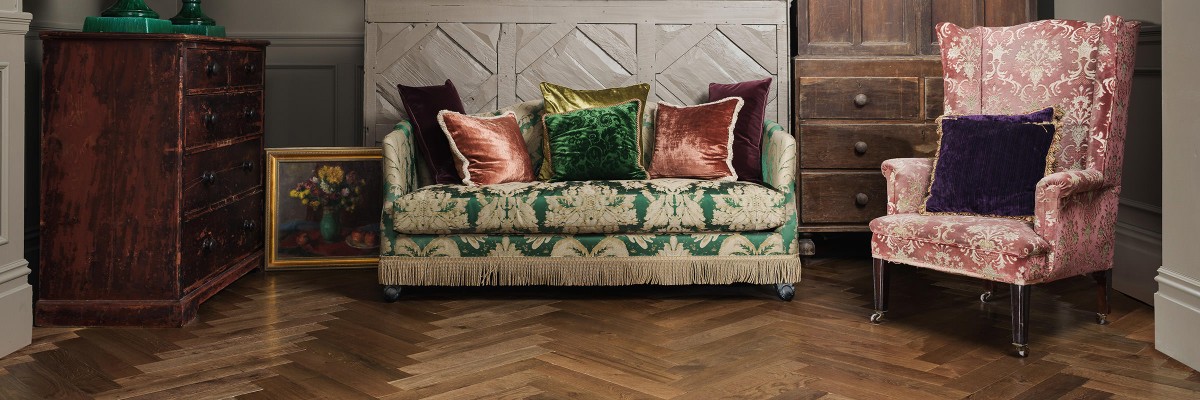
Herringbone flooring has stood the test of time as one of the most striking choices in home design. The distinctive pattern, versatility, and durability make it a popular option for almost every interior. So, if you're planning to renovate your home or design a new space, herringbone flooring is the perfect choice.
However, with numerous finishes, tones, and materials to choose from, picking the right herringbone engineered flooring can feel overwhelming. This blog will provide insights on everything you need to know about herringbone flooring. Without further ado, let's get into it!
What Is Herringbone Flooring?
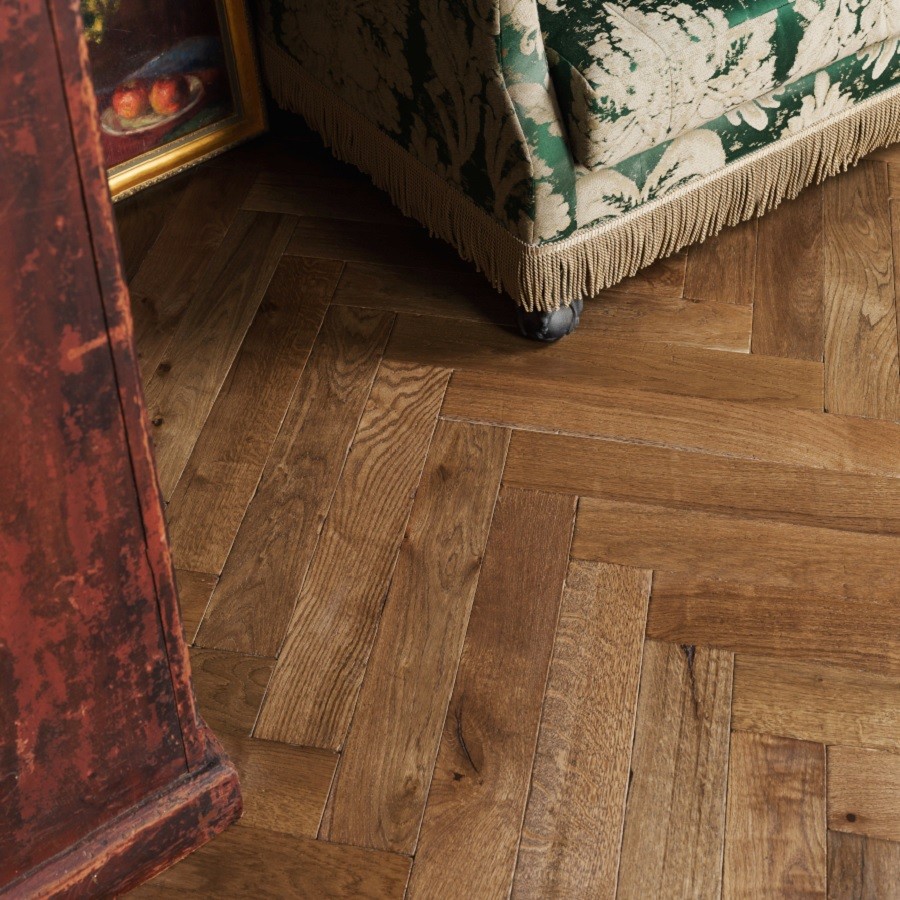
Herringbone flooring is a wood style that captures everyone's attention every time they enter the room. This type of flooring is laid out in a V-shape, zigzag pattern. Each short plank is set at a 45-degree angle to the room’s main reference line, while adjacent planks meet at a 90-degree angle.
Traditionally, herringbone floors were made from real wood. Today, modern manufacturing methods have made the herringbone style available in a wider range of materials. Now, you can easily find various types of herringbone.
Herringbone Wood Flooring vs Herringbone Engineered Flooring - What's the Difference?
Herringbone is simply one style within the broader parquet family. However, the real decision comes down to construction. Solid vs Engineered. Here is how the two stack up on the factors that matter most:
| Feature | Solid Herringbone Wood Flooring | Herringbone Engineered Flooring |
| Construction | Single solid piece of timber throughout | Real wood veneer bonded onto plywood |
| Installation Cost | Higher and labour intensive | Premium investment with more efficient installation |
| Stability | Less stable with humidity | More stable due to layered construction |
| Underfloor Heating | Not recommended | Works well when installed correctly |
| Price | Premium cost | Premium yet high-end finish |
Why Choose Herringbone Flooring?
Herringbone floors instantly enhance the overall look of the home and add a luxurious aesthetic touch. Here are a few reasons why it's interior designers' favourite.
Premium Look
Herringbone flooring works best for both Georgian townhouses and modern minimalistic interiors. Its high-end zig-zag design delivers a premium look and a great space enhancer for any space. So, if you’re looking to refresh any room, this type of flooring is perfect. Even in hallways, which are usually narrow areas, but after installing herringbone oak flooring, they will look more spacious.
Versatile Design
Herringbone flooring works well with almost every type of interior. From natural oak tones for a traditional feel to deep smoked oak for rustic charm to pale shades, herringbone flooring adapts aesthetically to what you're building.
Easy Maintenance
Trapped dust and dirt isn’t so much of a challenge with engineered herringbone flooring because of its tongue & groove construction forming tighter joints. The flooring is perfect for the kitchen, bedroom, entrance and spaces that are heavily used.
Durable
Herringbone engineered floors are highly durable as they are more stable than solid wood floors. Often finished with a resilient hard wax oil, they are relatively easily maintained and the hardwood base makes them much more stable. Every herringbone floor from Beswick Stone is designed with a stabilising core and balancing layer at the bottom. This helps in maintaining the shape in adverse weather conditions.
How to Choose the Right Herringbone Flooring for Your Space
While choosing the right herringbone flooring, you need to keep a few things in mind so you can make the best out of your investment. Start exploring!
Selecting the Material & Pattern
The first step is to begin with the type of material you're choosing, as the pattern remains the same but material performance can vary widely. Oak is highly preferred which is durable and stylish.
Before choosing, make sure to check the overall theme of your home and then select. It comes in dark and light tones. Additionally, this flooring features rectangular wood blocks in a zig-zag pattern similar to fish bones.
Consider Room Interior
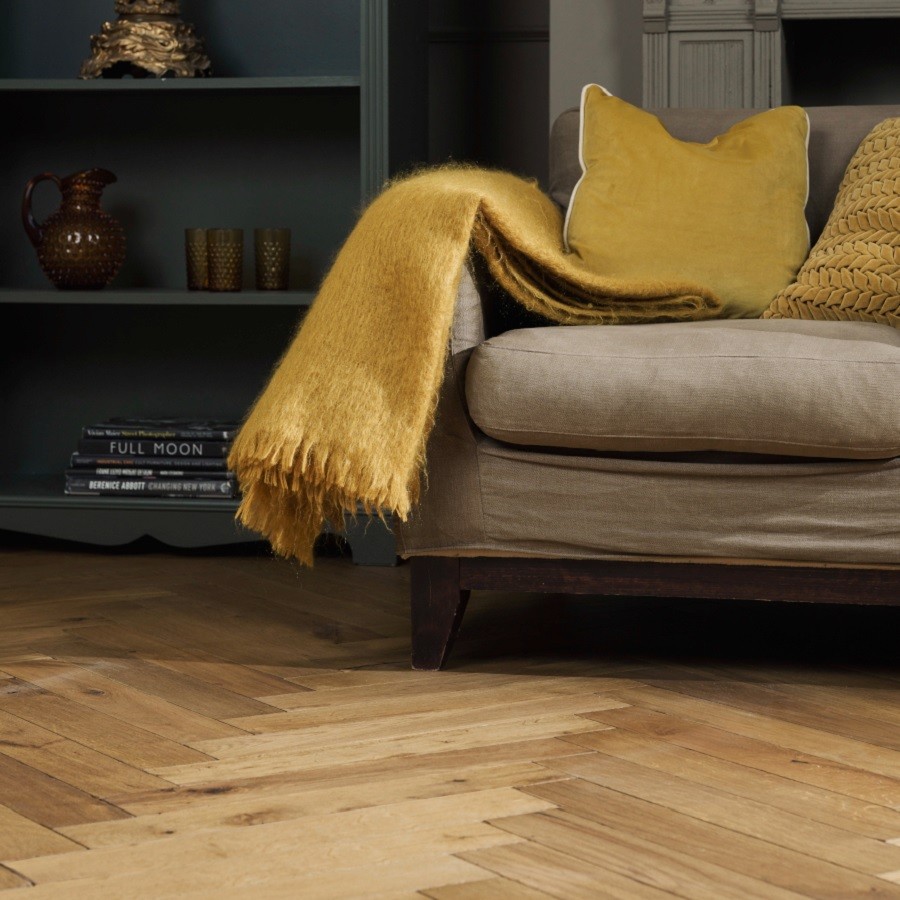
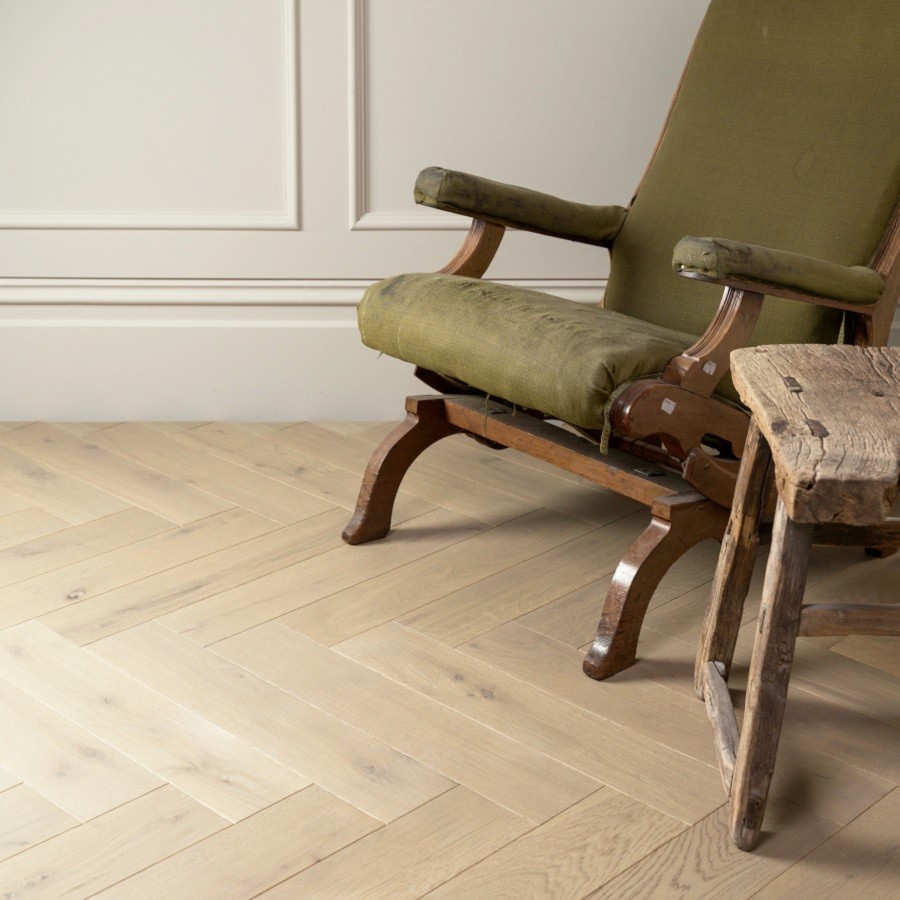
As mentioned above, it comes in various tones; that's why it's important to choose the right one that matches your room's aesthetic. Dark-toned flooring adds a luxurious feel, while light tones make the room look bigger and brighter. But that's not all; consider your wall colour, furniture, and natural lighting when selecting the tone.
Budget
One of the most crucial factors when selecting the right herringbone flooring is budget. Although it's expensive due to the material needed and installation. It adds value to your home interior. So, you don't need to compromise on style; spend a bit extra on it, and we're sure it will give you a high ROI in the form of overall look and compliments.
Maintenance Tips for Herringbone Flooring
Now, for the maintenance of your herringbone flooring, you have to do several routine things. We’ve mentioned them below. Read on!
Routine Cleaning: One of the most significant factors in keeping your flooring in good condition is regular cleaning. For this, regularly sweep or vacuum with a soft-bristle attachment to avoid scratching the surface. This will remove the dust and debris accumulated on the floors.
Spills: We all have to deal with spills on floors. But avoid delays in cleaning; immediately wipe up to avoid moisture damage. You can even use a damp microfiber mop for cleaning.
Lasting Care: We know you want the floor’s durability and appearance as you saw it for the first time. For this, you have to apply a protective finish every few years. Additionally, don’t drag heavy furniture, as this will prevent scratches.
Conclusion
In conclusion, Herringbone flooring is more than just a design trend. In fact, it's a timeless investment that adds character, shows elegance, and adds value to any home eventually. So, while purchasing one, remember these things. Without extra effort, you can change your ordinary spaces into premium ones. But selecting the right oak tone is essential. Ultimately, it will take a bit of leg-work, but do it properly once and you won't regret it.
We hope our guide helps. Explore our oak herringbone flooring options at Beswick Stone.
Frequently Asked Questions
Which type of herringbone flooring is best?
Generally, herringbone engineered flooring is the better choice for most homes. It offers the same timeless herringbone look as solid wood but with greater stability, easier installation, and compatibility with underfloor heating.
Are herringbone floors outdated?
No, herringbone flooring is not outdated. In fact, its timeless look is loved from ancient times to modern times. The best thing is its zigzag pattern that catches the attention whenever someone enters the room.
Does herringbone make a room look bigger or smaller?
Yes, herringbone makes a room look spacious, especially in lighter oak tones and larger plank formats. The diagonal pattern also draws the eye across the room, adding a sense of visual flow and depth.
Are herringbone floors more expensive?
Herringbone flooring can cost more overall than standard straight-plank flooring due to the pattern's complexity and installation requirements.
How do I install herringbone flooring?
Herringbone installation is intricate and requires careful planning to keep the pattern aligned and symmetrical. It's best fitted by a skilled professional to ensure accurate layout, especially around edges, doorways, and room transitions.
Related Products
