



Your shopping cart is empty!
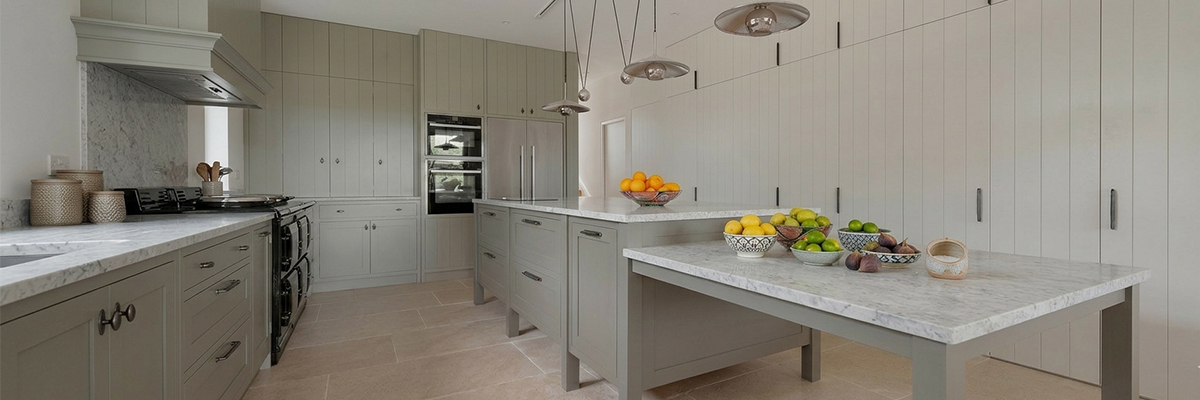
For generations, limestone tiles have been prized for their understated beauty, texture, and architectural solidity. Whether you’re restoring an old building or erecting a modern design, limestone provides a naturally practical and stylish look. At Beswick Stone, we curate our limestone collection to provide the right balance of aesthetic character and durability, offering homeowners and designers a palette of tones, finishes, and formats seen here in natural dimension stone.
This guide will walk you through everything to consider before purchasing limestone tiles, from choosing the right colour to finishes, formats, installation considerations, and long-term care
1. Understanding Limestone as a Material
Limestone is a sedimentary stone built over millions of years from compressed marine elements. This natural source gives every tile unique fine fossil markings, tonal movement, and variation that cannot be replicated by any man-made alternatives.
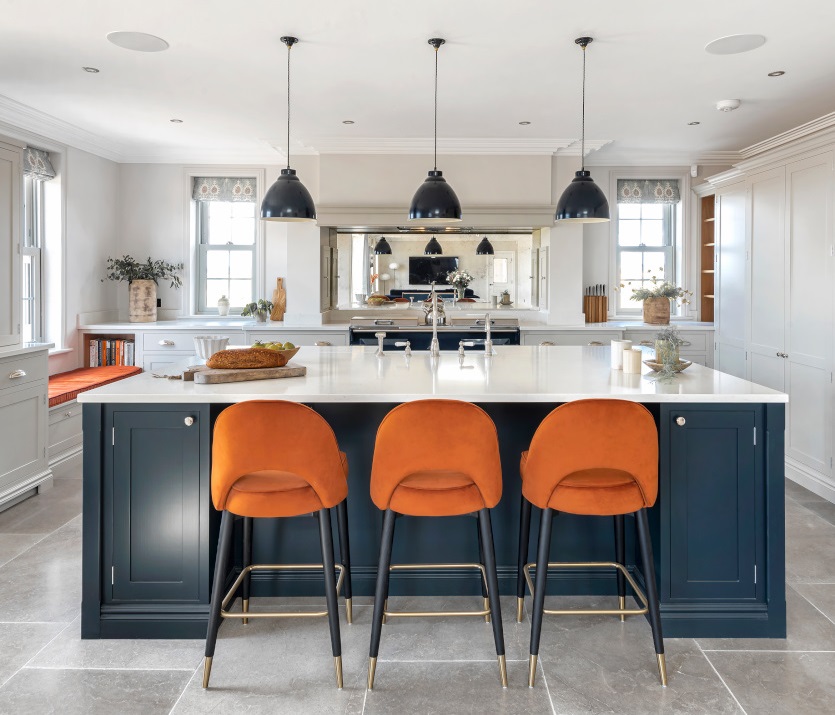
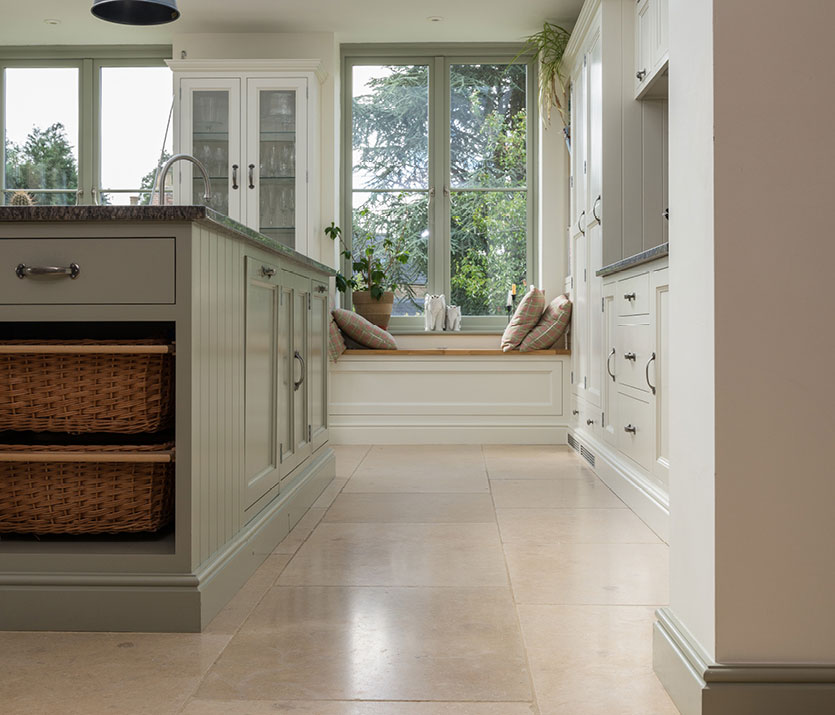
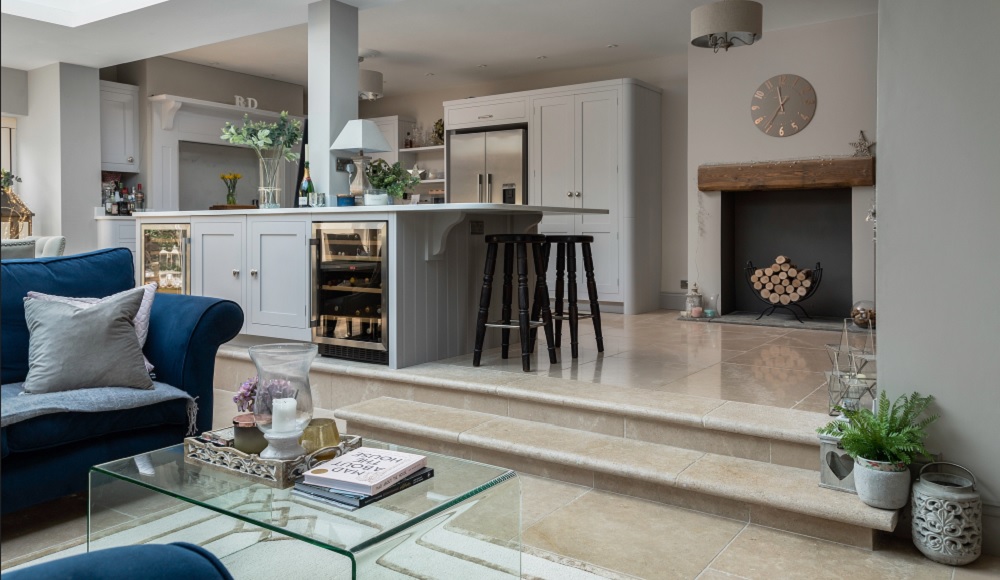
Key features:
- Soft, chalky undertones
- Subtle veining and natural pitting
- Matte, low-sheen surface
- Excellent thermal conductivity (ideal for underfloor heating)
Unlike porcelain imitations, real limestone develops character over time. It doesn’t look manufactured; it looks lived in.
2. Choosing the Right Colour Tone
Choose a colour to set the emotional tone of your space. Limestone flooring generally exists in a soft, neutral spectrum, but each hue has its own specific vibe.
Pale & Cream Limestone
Good for making kitchens, hallways, and open-plan living areas feel more open. These shades reflect the natural light and pair really well in traditional country homes or a more minimalist area
Warm Beige & Honey Tones
These offer warmth and softness when paired with oak cabinetry, brass hardware and neutral fabrics.
Grey Limestone
Perfect for contemporary schemes. Grey tones complement black-framed glazing, modern kitchens, and industrial accents.
When selecting colour, consider:
- Natural light levels in the room
- Wall paint and cabinetry tones
- Whether you want contrast or cohesion
Order samples whenever possible. Limestone’s appearance shifts under different lighting conditions.
3. Understanding Finishes
The finish of limestone affects both its visual character and practicality.
Tumbled Finish
Softened edges with a gently aged surface. Ideal for rustic, farmhouse, or heritage interiors. Adds charm and authenticity.
Honed Finish
Smooth and flat with a refined matte appearance. Best suited for modern interiors seeking clean lines.
Brushed or Textured Finish
Adds subtle grip and movement, making it suitable for high-traffic areas or spaces that connect to the outdoors.
Outdoor-Compatible Finishes
Thicker, textured limestone options can be used externally for patios or transitional spaces, creating seamless indoor-outdoor continuity.
Your lifestyle should influence your choice. Busy households often benefit from finishes that disguise minor wear and natural patina.
4. Tile Sizes and Layout Options
The format of the tile also plays a huge role in the end look.
Large Format Tiles
Design a tranquil, open appearance with fewer grout lines. Ideal for open-plan areas.
Mixed-Size (Opus) Patterns
Provide traditional character and visual interest. Often selected for country homes and character properties, especially those with odd shaped rooms or challenging room flows.
Flagstones
Larger, more rustic pieces that highlight authenticity and texture.
When planning layout:
- In larger rooms, larger tiles work better.
- Smaller spaces can feel bigger with fewer grout breaks.
- Opus patterns create movement but require precise installation.
Always factor in grout colour. A contrasting grout emphasises shape; a colour-matched grout creates seamless flow.
5. Suitability by Room
Limestone tiles are extremely versatile, but some considerations depend on the room.
Kitchens
Great option because of durability and timelessness. Proper and correct sealing is a must in these spill prone areas.
Hallways & Entrances
Properly sealed limestone has exceptional durability, even in high-traffic areas. Its natural variation makes dirt harder to see between cleans.
Living Areas
Provides an understated sense of luxury and looks great with rugs and layered textures.
Bathrooms
Works well with underfloor heating. Use appropriate sealing to protect from moisture.
Outdoor Areas
Only choose limestone rated for external use. Thickness and surface texture are critical for frost resistance and slip performance.
6. Underfloor Heating Compatibility
Limestone is inherently conductive, which means that it transfers heat quite well. It makes it perfect for combining with underfloor heating systems.
Benefits include:
- Even heat distribution
- Energy efficiency
- Comfortable warmth underfoot
Make sure your installer is using a flexible adhesive and installing correctly.
7. Installation Considerations
The performance will be optimized, and the setup should be done in a proper way to have a long lifespan.
Important factors:
- Subfloor preparation must be level and stable.
- Use suitable adhesives for natural stone.
- Allow for natural variation when dry-laying tiles before fixing.
- Professional sealing during and after installation is recommended.
Natural stone installation differs from porcelain. Working with experienced installers ensures the result matches expectations.
8. Sealing and Maintenance
Limestone is porous, which means sealing is not optional; it is essential.
Sealing
- Apply an impregnating sealer during and after installation.
- Re-seal periodically depending on traffic levels.
Daily Maintenance
- Sweep or vacuum regularly.
- Use pH-neutral stone cleaners.
- Avoid acidic products (vinegar, lemon-based cleaners).
Over time, limestone develops a soft patina that enhances its appeal. With proper care, it will last decades.
9. Lifestyle Considerations
Before committing, reflect on your household dynamics.
- Do you have pets?
- Is the space high-traffic?
- Do you prefer pristine uniformity or natural variation?
Limestone is forgiving but authentic. It welcomes subtle markings as part of its character. If you prefer the beauty of nature to the perfection of manufacture, limestone could be your answer.
10. Budget & Value Perspective
Limestone flooring is an investment. While initial costs are slightly higher than porcelain alternatives, endurance, aesthetic permanence, and its ability to increase property value offer long-term returns.
Consider:
- Cost per square metre
- Installation and sealing expenses
- Longevity compared to synthetic flooring
- Alternating trend-driven surfaces aren’t what limestone does; it doesn’t date. It evolves.
Final Thoughts
Limestone tiles are not merely a floor you choose for your home; they form the very foundation of your home's design language. The right limestone can be a good fit for your architecture, practical for your lifestyle, and visually timeless.
By selecting tone, finish, format, installation, and maintenance mindfully, you can make sure your flooring comes out as good as it does in appearance! Whether the stone is a weathered hand-picked piece or quarried, Beswick Stone’s catalogue of limestone is tailored for authenticity and refined craft
A well-chosen limestone floor will not demand attention; it will quietly elevate every room it inhabits, year after year.
Also Read:
