



Your shopping cart is empty!
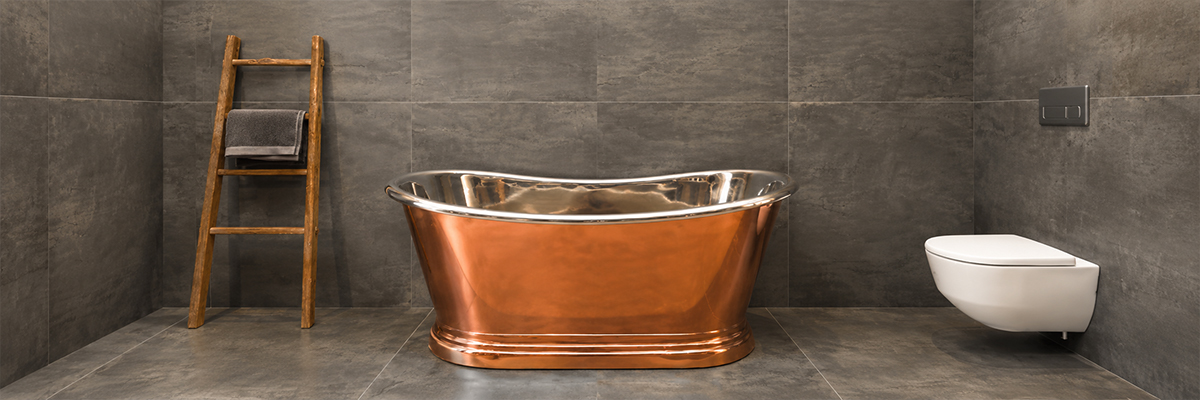
Porcelain tiles have become a reliable choice for modern homes, known for their strength, refined finishes and ability to imitate natural stone or wood with remarkable realism. They are regularly found as both porcelain floor tiles and porcelain wall tiles as they produce a connected, upscale look in kitchens, bathrooms and open-plan spaces. However, ceramic tiles are well-known for their cost-effectiveness and decorative benefits. They are a lot lighter, easier to cut and often remain a recommended option for walls and low traffic areas.
But here’s the catch. When you’re planning for a renovation or redesign, selecting between porcelain and ceramic isn’t always clear. People usually wonder about which one lasts longer, which one suits them better, and which one is more affordable. If you’ve also been thinking about these choices, this blog will answer all these queries & tell you everything you need to know about the right tile choice.
How Do Porcelain and Ceramic Tiles Differ?
At first glance, porcelain and ceramic tiles may look almost similar. But the real difference lies in how they’re made and how they perform over time.
Porcelain tiles are made from a more refined clay and fired at much higher temperatures. This technique creates a denser tile with very low water absorption. In simple terms, that means porcelain floor tiles are tougher, less porous, and far better suited to areas like high-use kitchens, hallways, or even outdoor spaces, where durability matters.
Ceramic tiles use a slightly rougher clay and are fired at lower temperatures. They’re lighter and easier to cut, which can make installation simpler. However, they’re also more absorbent, which is why they don’t offer the same level of moisture protection or strength as porcelain.
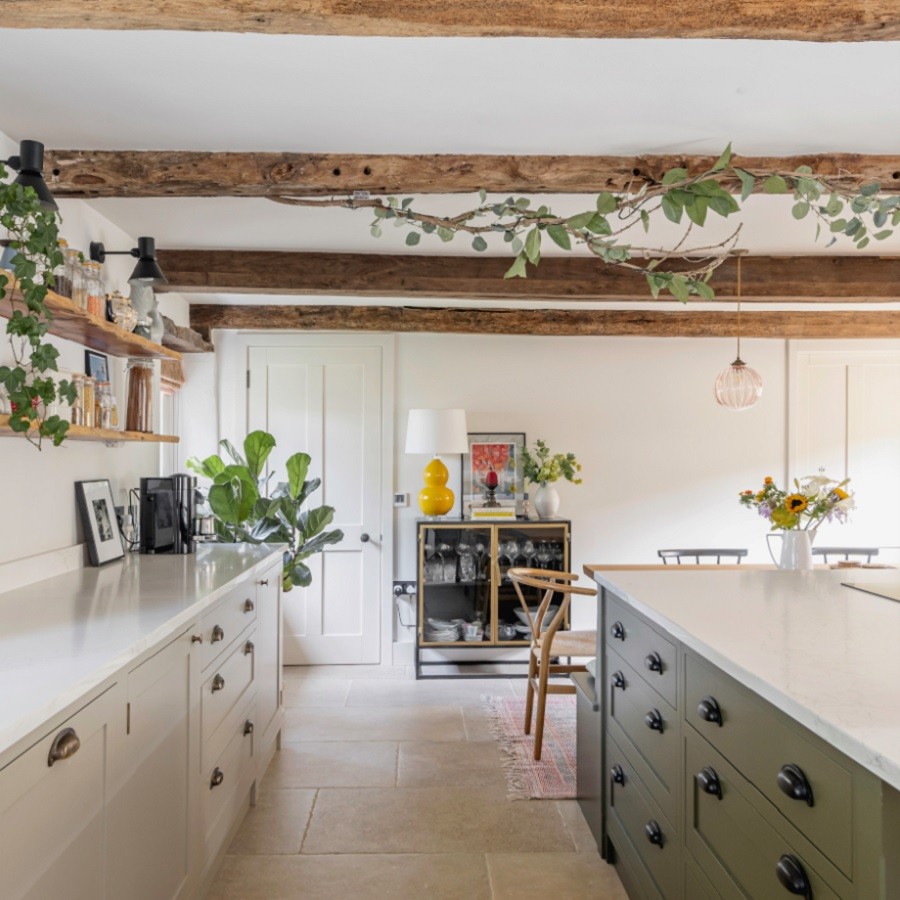
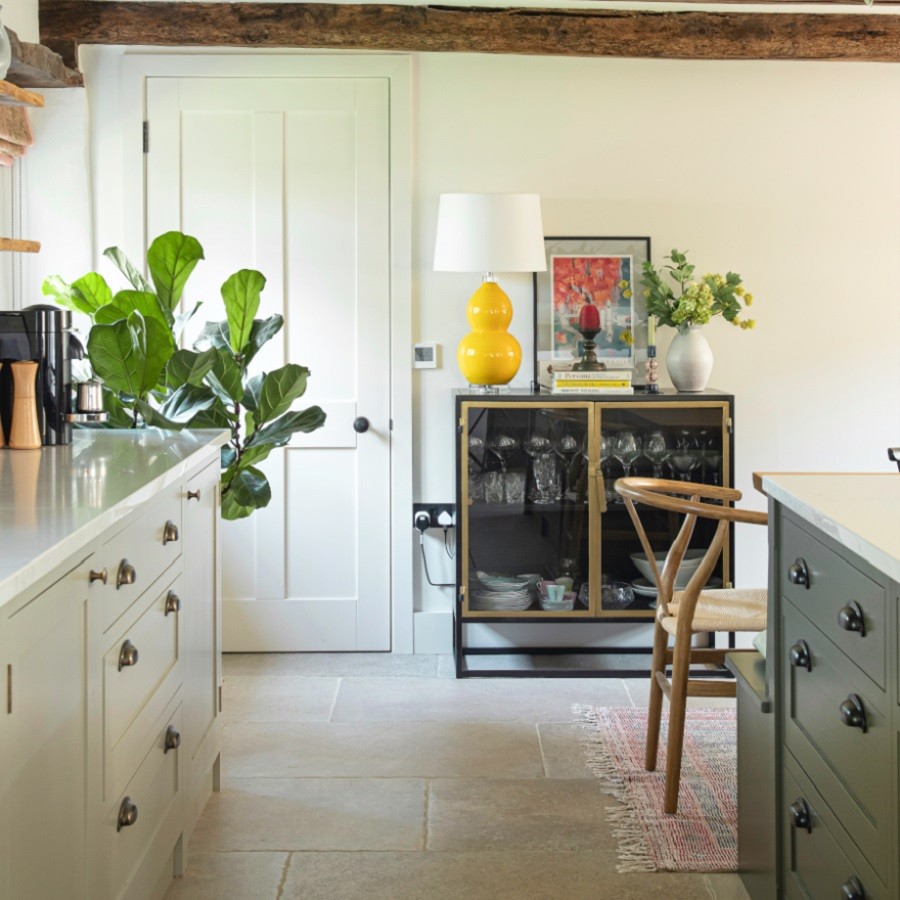
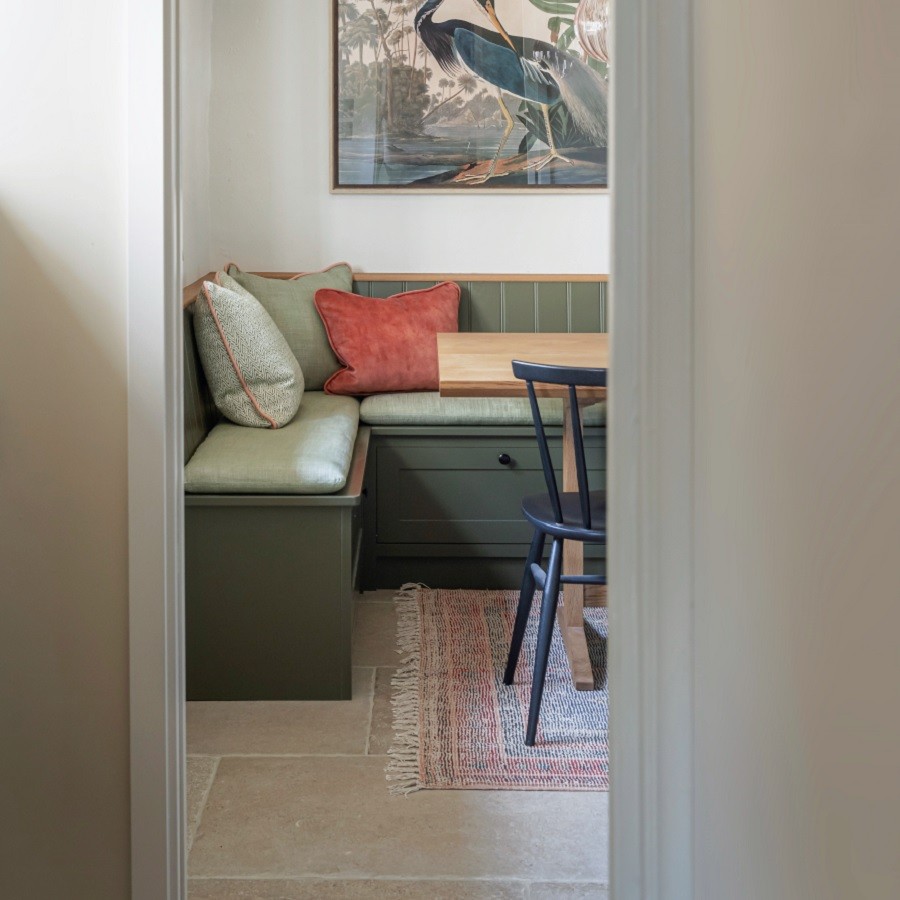
These are real features that matter in day-to-day use. Porcelain wall tiles handle humidity well, making them ideal for bathrooms and other wet areas. Ceramic tiles will work well, especially on kitchen walls or in low-traffic rooms, but they aren't built for a high level of wear.
At Beswick Stone, we focus on high-quality porcelain tiles sourced from leading European manufacturers. The advantage is clear. You get the look of natural materials blended with performance that stands up to modern living.
Where Should You Use Porcelain and Ceramic Tiles in Your Home?
Whether you pick porcelain or ceramic tiles often comes down to where you plan to use them. It helps you make a practical decision, since each space demands different requirements for your surfaces.
Here’s what to consider:
- Room type
Porcelain tiles are a reliable choice for kitchens and baths that need to be durable and moisture-proof. This helps porcelain floor tiles withstand daily traffic. Ceramic tiles are really only well-suited for low-traffic areas like bedrooms and living rooms, though most manufacturers now predominantly produce just porcelain so choice in ceramic tiles is often limited to brick tiles used for walls.
- Foot traffic levels
Porcelain tiles are stronger and more scratch-resistant, making them perfect for high-traffic areas like the hallway or kitchen. Ceramic tiles can be used in areas like guest rooms or as feature walls, where there is not a continuous footfall.
- Moisture exposure
As porcelain is extremely water resistant, it can be used in bathrooms, utility rooms and even outside. Since ceramic tiles are more porous, they would be best in mostly dry areas or on walls.
Porcelain vs Ceramic Tiles: A Side-by-Side Comparison Table
A clear comparison helps you quickly understand how porcelain tiles and ceramic tiles function across several factors, which makes it easier to select the right option for your space. Let’s look at the key differences:
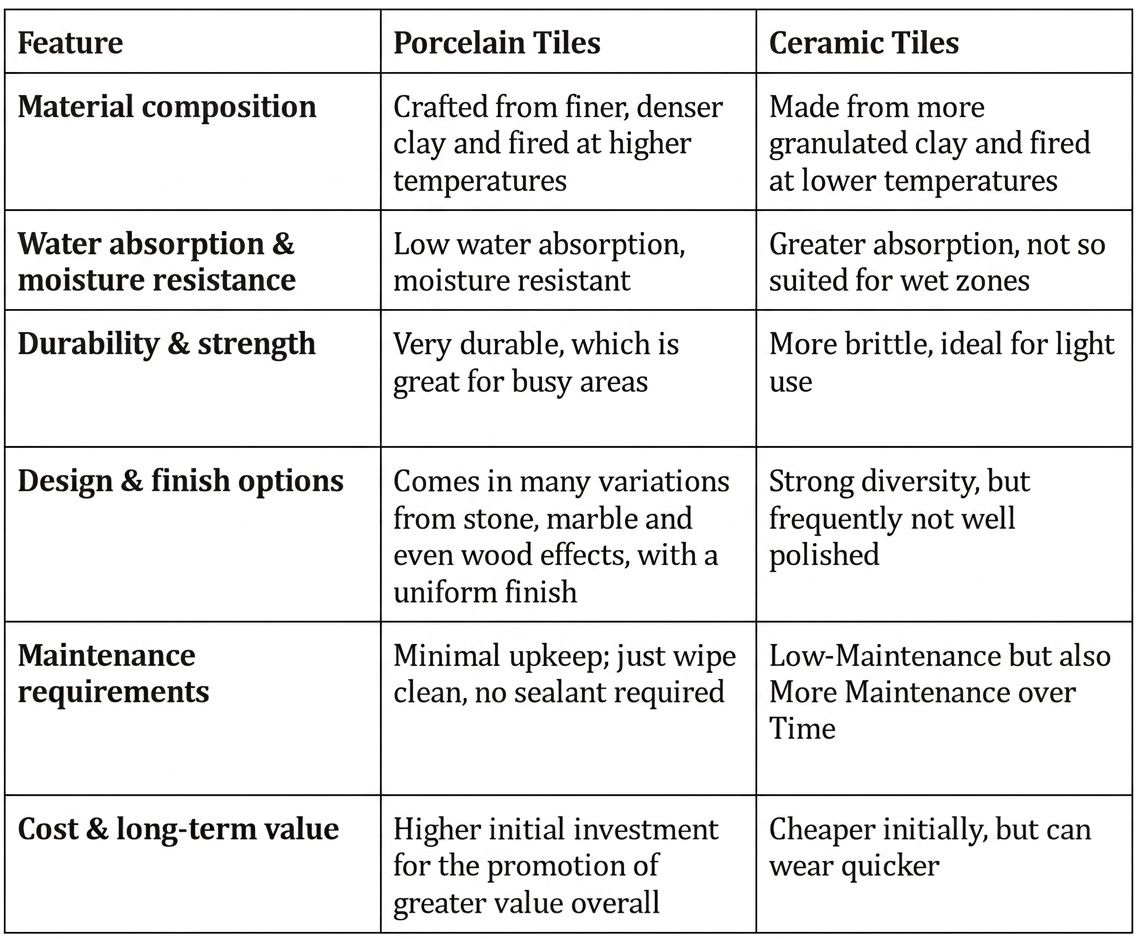
Especially when you see the full picture, porcelain tiles seem like a more reliable and versatile product. You can see a selection of porcelain floor tiles and porcelain wall tiles, including durable functionality with stylish design at Beswick Stone, which makes them a good option for contemporary houses.
How Do Tile Choices Impact the Look and Feel of Your Space?
Tiles serve more than covering a surface. They decide how a room feels the minute you walk in. The choice between porcelain and ceramic can affect everything from style to ambience.
Let’s take a look at how choice really impacts:
- Interior style impact
Porcelain tiles construct a clean, elegant look with consistent finishes. Whereas ceramic tiles suit more cosmetic or feature-led designs.
- Finish and visual effect
Porcelain tiles can either bring brightness to, or soften a space, from matt to polished. Polished porcelain floor tiles reflect light, giving them a brighter appearance, whereas matt finishes feel more realistic.
- Tile size and layout
Large porcelain tiles give a seamless, stylish appearance with fewer grout lines. Smaller ceramic tiles perform well for patterns and accents.
- Natural material looks
Wall and floor porcelain tiles can closely replicate stone, marble, or wood, receiving the appearance without the upkeep. At Beswick Stone, you’ll find a carefully selected range of quality porcelain tiles, those that combine style and practicality.
Final Thought
Choosing between ceramic and porcelain tiles comes down to how you plan to use the space. Ceramic tiles can be a practical option for low-traffic areas or decorative walls, especially if you’re working within a tighter budget. But if you’re looking for long-term durability, low maintenance, and a more refined finish, porcelain tiles are often the better investment.
From busy kitchens to bathrooms and open-plan living areas, porcelain floor tiles and porcelain wall tiles offer the strength and versatility modern homes demand. If you want a solution that combines performance with design, Beswick Stone’s carefully selected porcelain tile range is well worth exploring.
Frequently Asked Questions
1. What is the main difference between porcelain and ceramic tiles?
Porcelain tiles are denser, stronger, and more water-resistant than ceramic tiles. Ceramic tiles are lighter, easier to cut, and often more affordable for decorative or low-traffic spaces.
2. Are porcelain tiles good for bathrooms and kitchens?
Yes, porcelain tiles are ideal for bathrooms and kitchens because they resist moisture, stains, and heavy daily use.
3. Which tile is better for high-traffic areas?
Porcelain tiles are better for high-traffic areas like hallways, kitchens, and open-plan living spaces due to their durability and scratch resistance.
4. Can ceramic tiles be used on floors?
Yes, ceramic tiles can be used on floors in low-traffic areas such as bedrooms or guest rooms, but they are less durable than porcelain.
5. Are porcelain tiles more expensive than ceramic tiles?
Porcelain tiles usually cost more upfront, but their durability and low maintenance often make them a better long-term investment.
