



Your shopping cart is empty!
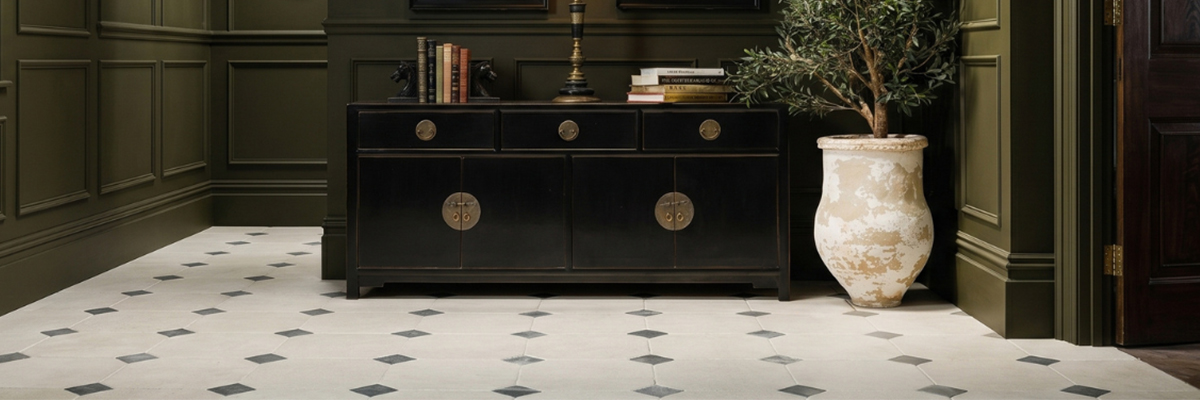
Natural stone tiles have a timeless charm, bringing character, texture, and elegance to both indoor and outdoor spaces. While the stone is often the main focus, the role of stone grout is just as essential. It functions as the material that fills and supports the joints between tiles, helping to form a safe, stable, and visually appealing finish.
The correct type of grout can mean the difference between an installation that looks great now and one that lasts long term. When it comes to wall and floor grout options, choosing the right product isn't always easy.
If you're planning a new installation or upgrading an existing space, this blog covers everything you need to know about choosing, installing, and maintaining stone grout wisely.
Why Grouting Is Essential for Natural Stone Tiles
Natural stone tiles can transform a room; choosing the right stone grout is key to a lasting and attractive final product. Grout does more than fill gaps. It helps keep tiles securely in place, increases stability and improves the overall appearance of the installation.
It also acts as a protective barrier, allowing it to prevent moisture, dirt, and debris from accumulating between tiles. This makes a reliable grout especially important in kitchens, bathrooms, and outdoor spaces.
Grout selection can also influence the appearance of your tiles. A carefully chosen stone colour grout to either blend perfectly with the stone or provide an attractive contrast. In fact, whether you're using grout for indoor limestone or grout for outdoor flagstone, the right product can make a big difference.
Beswick Stone offers a wide range of quality grouting products and expert guidance to help you achieve a professional finish for any natural stone project.
How to Choose the Right Grout for Natural Stone Tiles
Selecting the right stone grout helps to improve the appearance, durability, and performance of your natural stone tiles.
Here are some factors worth considering.
Consider the Type of Natural Stone
Different types of natural stone require different grout solutions. For example, depending on the edge finish, limestone can often be grouted with a fine joint or a wide joint grout, while outdoor patios will very likely require a durable wide joint grout that can fill the larger & deeper joints and withstand changing weather conditions.
Assess the Grout Joint Width
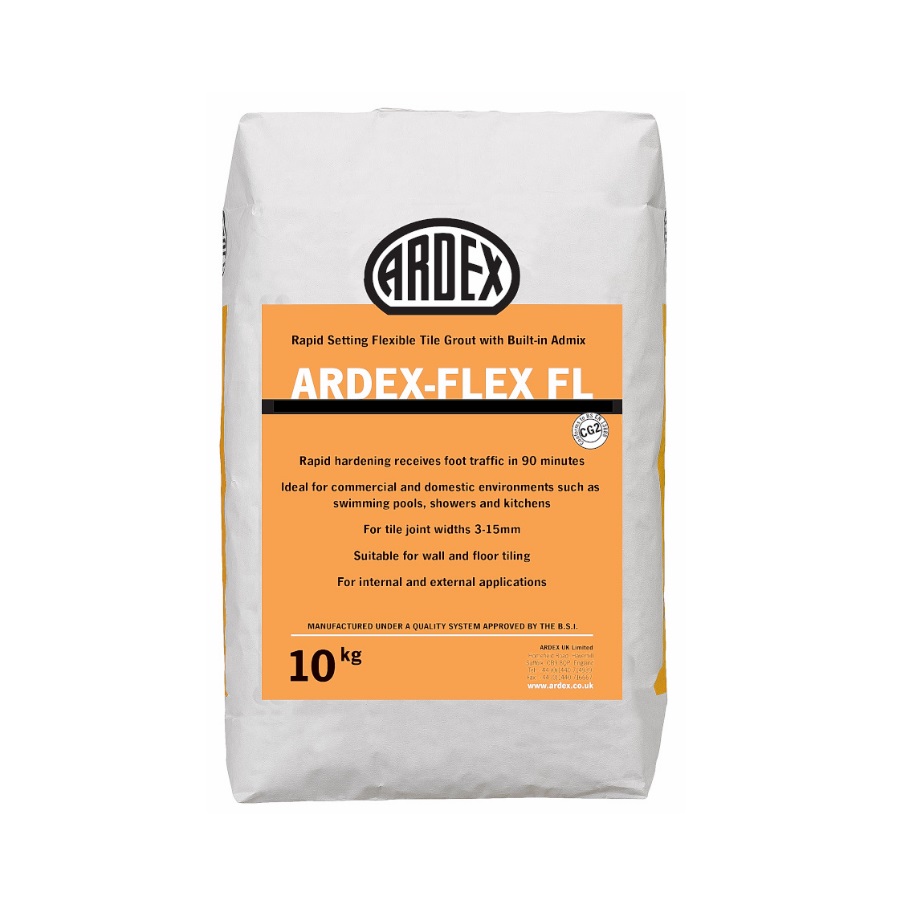
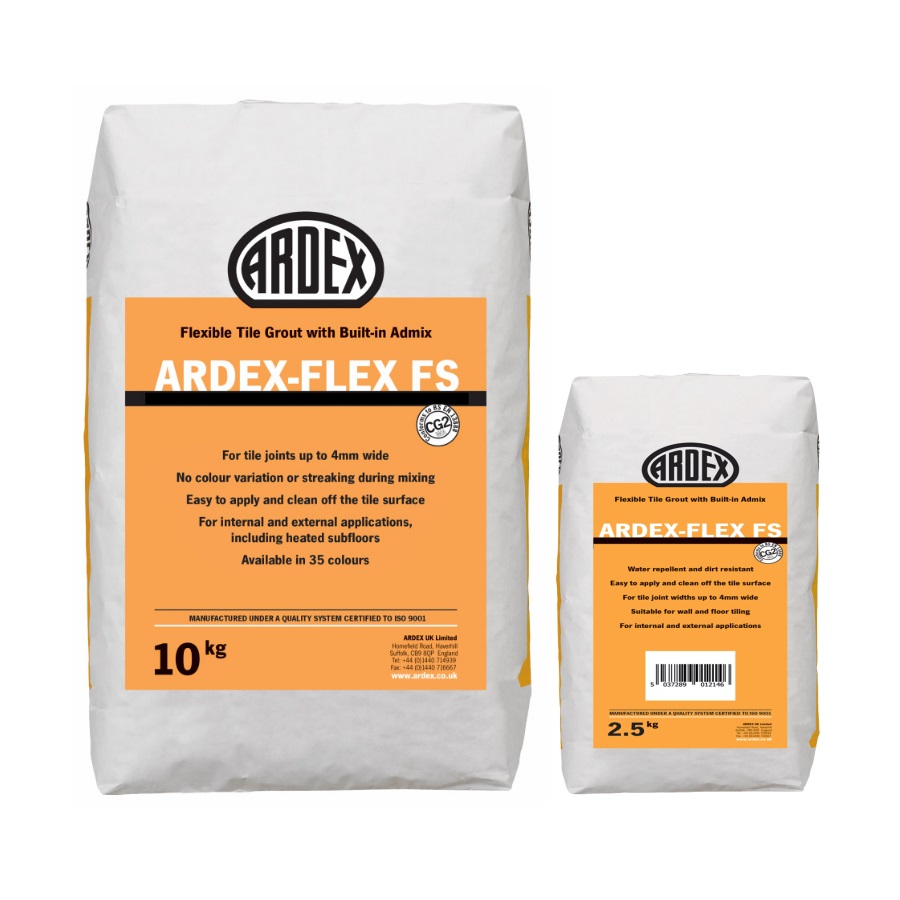
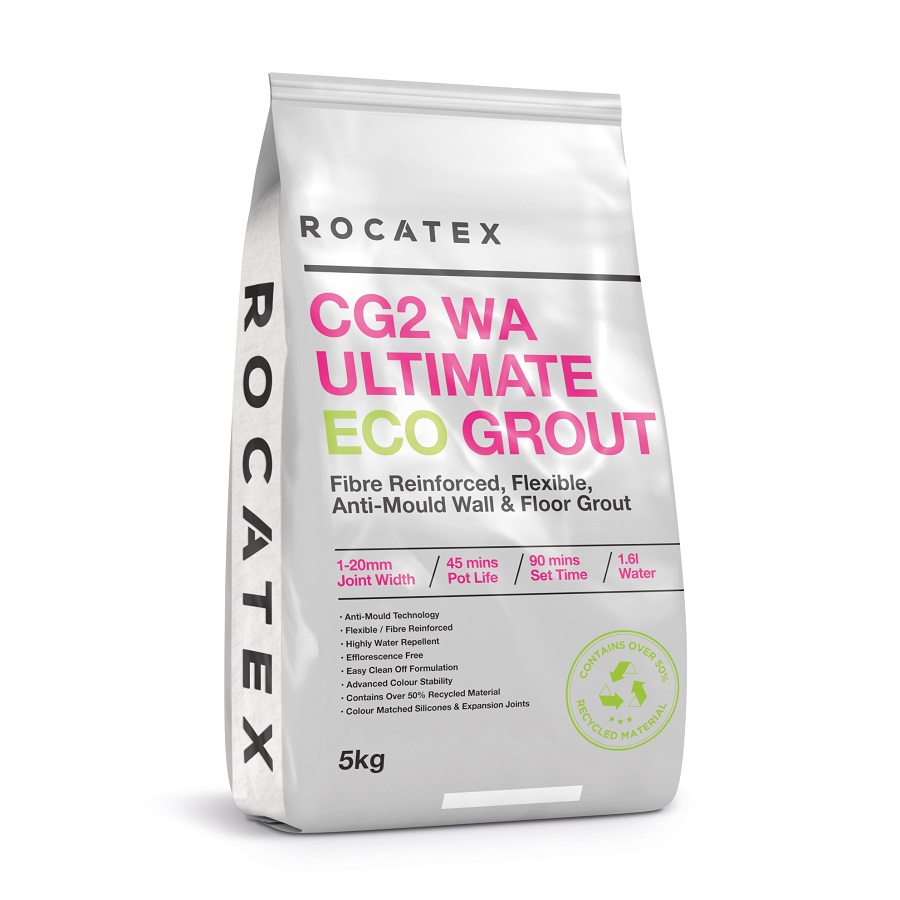
Joint width is an important factor when selecting grout. Fine-joint grout is generally required for narrow joints, and stronger formulations are needed for wider gaps. Proper wall and floor grout prevents cracking and provides a durable finish.
Choose the Right Grout Colour
Choosing the right type of grout helps your tiles to look even more beautiful. A matching grout gives a seamless effect, while contrasting colours can set off individual tiles
Select a Grout Suitable for the Installation Environment
Kitchens, bathrooms and outdoor spaces have unique requirements. Grout products that are moisture-resistant and tough are often the most effective solution for demanding environments.
Grouting Errors That Can Affect Natural Stone Tiles
Even the best stone grout can leave you with disappointment when applied improperly. You protect and preserve the natural stone tiles to maintain that great look for years, just by avoiding a few common mistakes with grouting.
Using the Wrong Type of Grout
Choosing the wrong type of grout can cause cracks, stains, or make it less durable. Choose your grout wisely based on the edge finish of your stone, joint width and installation environment.
Failing to Prepare the Surface Properly
Grout bond can be compromised by contaminants such as dust and moisture, or excess adhesive. A properly cleaned and treated surface creates a more uniform and durable finish.
Applying Grout Incorrectly
Improper application can create voids that allow dust and moisture to penetrate the joints. Follow the manufacturer's specifications and make sure that joints are filled fully & tightly for optimal performance.
Choosing an Unsuitable Grout Colour
Using an incorrect stone colour grout can make your tiles look less appealing. Testing samples in advance can help you discover the shade that best complements your stone.
How to Maintain Grout for Long-Lasting Natural Stone Tiles
Proper maintenance helps keep both natural stone tiles and stone grout looking their best while extending their lifespan.
Clean Grout Regularly to Prevent Dirt Build-Up
Grout can accumulate dirt and dust over time. Regular cleaning helps prevent discolouration and keeps tiled surfaces looking fresh.
Seal Grout to Protect Against Moisture and Stains
Sealing grout helps protect against moisture, spills, and stains. This is especially important in bathrooms, kitchens, and outdoor areas. Whether you're using limestone grout or flagstone grout, sealing will improve durability and is a must.
Address Mould and Mildew Promptly
Mould and mildew can develop in damp areas. Regular inspections and prompt cleaning help prevent these issues from spreading.
Use Stone-Safe Cleaning Products
Harsh cleaners can damage natural stone and weaken grout. Always use stone-safe cleaning products to protect your tiles and wall and floor grout.
Final Thoughts
Choosing the right stone grout is an important part of any natural stone installation. From selecting the appropriate grout for your stone type and environment to avoiding common mistakes and following proper maintenance practices, each step contributes to a durable and attractive finish.
By understanding your options and using quality wall and floor grout products, you can help protect the appearance and longevity of your natural stone surfaces for years to come.
FAQs
Q1. What is stone grout used for?
Ans. Stone grout fills the joints between natural stone tiles, helping to secure the tiles, improve stability, and create a finished appearance.
Q2. How do I choose the right stone grout?
Ans. Consider the type of stone, grout joint width, installation location, and desired colour. Choosing the right grout helps ensure durability and visual appeal.
Q3. Can stone grout be used outdoors?
Ans. Yes. Many stone grout products are suitable for outdoor applications, including patios and pathways, provided they are designed to withstand weather exposure.
Q4. How often should grout be sealed?
Ans. The frequency depends on the grout type and location, but sealing every few years can help protect against moisture, stains, and general wear.
