



Your shopping cart is empty!
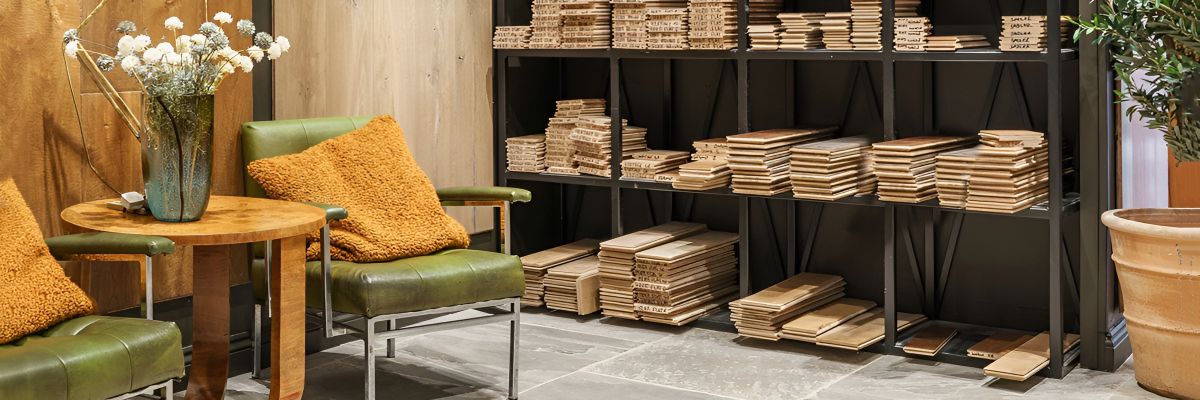
Stone floors have always been very popular choices for homes throughout Cirencester and the entire Cotswolds region. This flooring is valued for its durability, natural beauty, and ability to complement both period and contemporary properties.
With a number of stone flooring options available, it can be difficult to know which flooring is best suited to your home. . This guide will help you through everything you need to know to make the best choice.
Why Stone Flooring Suits Cirencester Homes
Cirencester is famous for having its own Cotswold-style stone houses and the use of locally available materials. A stone floor perfectly complements the Cotswold style because it blends into it very well. It works well with timber, wooden beams, and stonewalls present in local homes. It is also suitable for additions and renovations.
Stone floors are tough enough to withstand the varied British weather, and they have excellent thermal retention properties that make them ideal for use with underfloor heating. It is one of the most popular features installed by many people restoring their period homes in the area.
Key Factors to Think About Before Choosing
When considering the use of a stone flooring material, it is important to look beyond its aesthetics. There are a number of practical considerations that need to be taken into account when deciding on the type of stone flooring and finish that best suits your needs.
- Room and usage (kitchen, hallway, bathroom, outdoor spaces)
Kitchens, hallways, bathrooms, and outside areas have their own unique needs for floors, which range from constant moisture to high amounts of traffic.
- Foot traffic and durability needs
Areas with high foot traffic like entrance halls require denser and stronger stone compared to quiet areas like guest bedrooms.
- Slip resistance and safety
Stone finishes that are tumbled or sandblasted provide a better grip to walk on, and this is especially important in moisture-prone spaces such as bathrooms and kitchens.
- Maintenance and upkeep requirements
Some stones are more porous and therefore require greater maintenance through sealing and cleaning to maintain their beauty over time.
- Budget considerations
Cost is highly variable depending on the type of stone, finish, and format used, making it necessary to consider quality and longevity of the floor.
Practical Considerations for Installation
Once the stone has been selected, there are some technical factors that will influence its performance after it has been installed. If taken care of properly, this will help one to prevent problems like cracking and uneven wearing.
- Subfloor preparation
A flat, stable and well-cured subfloor is very necessary for avoiding any movement, cracks or uneven tiles when stone is laid.
- Underfloor heating compatibility
Natural stone is a good heat conductor and absorber; thus, it is an appropriate material for homes fitted with underfloor heating systems, although the method of fixing may differ according to the heating system.
- Sealing and finishing requirements
Proper sealing helps protect against stains, water damage, and other forms of wear and is especially crucial in porous stones like limestone and sandstone.
Common Mistakes to Avoid When Choosing Stone Flooring
Although choosing the right stone is important, there are a number of mistakes that may occur which will influence how well a floor performs and looks over the years. It is wise to consider these mistakes before choosing the stone from a stone flooring showroom in Cirencester.
Overlooking maintenance needs
Selecting a stone without taking into account the maintenance requirements of the stone could result in a floor appearing old much faster.
Ignoring slip resistance in wet areas
A stunning polished finish is not ideal in bathrooms, kitchens, and entryway areas that become slippery in wet conditions.
Not considering long-term durability vs. upfront cost
The least expensive does not necessarily represent the most economical choice in light of long-term costs and maintenance requirements.
Conclusion
Choosing the right stone flooring comes down to understanding your home's needs, each room's function, and how much upkeep you're willing to commit to over time. Taking the time to weigh these factors carefully ensures a floor that's both practical and visually suited to your Cirencester home for years to come.
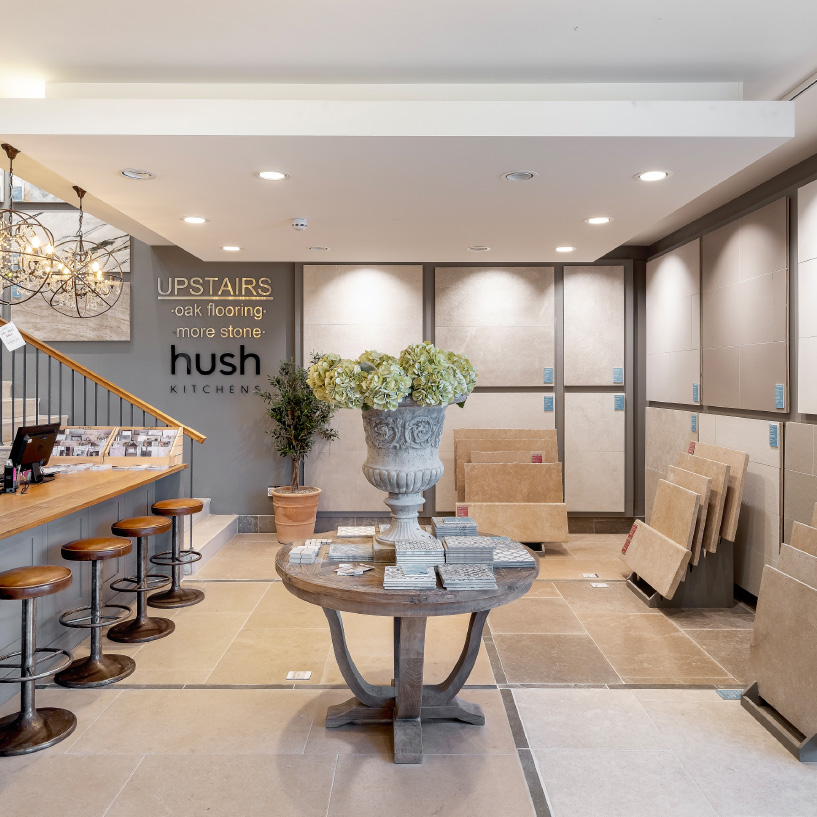
If you'd like to see and feel these options in person, Beswick Stone's stone flooring showroom in Cirencester offers a range of natural stone flooring suited to local homes, with guidance on hand to help you choose the right fit for your space
Frequently Asked Questions
What is the best type of stone flooring for a kitchen?
Stone floors that have high density and low porosity with textured finishes are preferred for kitchen floors due to their ability to withstand moisture and foot traffic.
Is natural stone flooring compatible with underfloor heating?
Yes, most natural stones are able to transfer and store heat efficiently, thus making them a good choice for houses equipped with floor heating systems.
How often does stone flooring need to be sealed?
This depends on the stone type and level of use, but most natural stone floors should be resealed every one to three years.
Does stone flooring suit period Cotswold homes?
Yes, the use of natural stone flooring is compatible with period Cotswold homes since it fits in well with traditional building materials and architecture.
What's the difference between limestone and sandstone flooring?
The main differences between limestone and sandstone flooring are that the former gives a smooth appearance, whereas the latter varies in appearance in terms of colour and texture.
Related Articles
29.01.2018
A Guide to Buying Natural Stone Flooring
Related Products
