



Your shopping cart is empty!
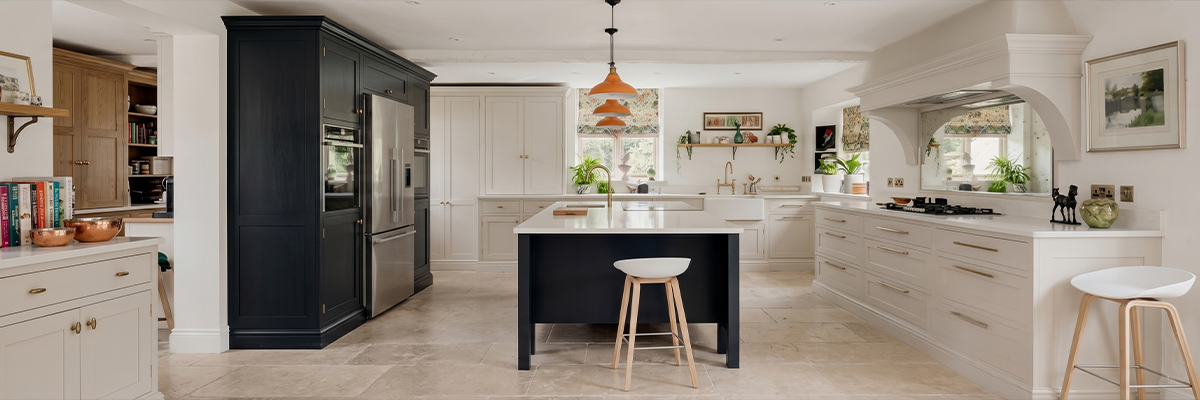
Stone flags are a popular choice for homes. People use them in kitchens, hallways, patios, and gardens. They are strong, natural, and long-lasting. But stone flags made for inside the home are not the same as those made for outside. At first, the flagstone tiles look the same, but they are made differently. If you’re planning to use stone flooring, it’s good to understand these differences. Always choose the right type so that your floor lasts longer and suits your space better.
Differences in thickness
One main difference is their thickness. Outdoor stone flags are often thicker and heavier. They must be stronger, as they will face tough weather and heavy use. In the UK, outdoor paving must deal with rain, frost, and changes in temperature. Thicker stone is less likely to crack or move over time.
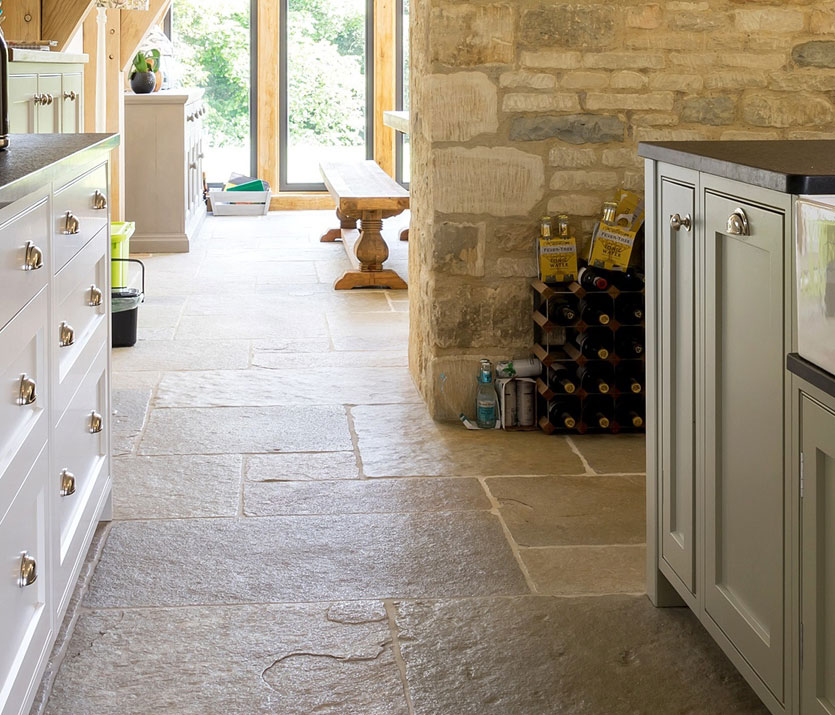
Indoor stone flags are not that thick. Since they do not have to handle harsh weather, they are lighter. This makes them easier to fit inside the home. For example, flagstone tiles for kitchen floors are made to be strong enough for daily life without putting too much weight on the building.
Surface Grip and Feel
Another clear difference is the surface of the stone.
Outdoor stone flags are made with a textured surface. It makes the floor easier to grip and helps stop people from slipping when the ground is wet. This is important for patios and paths, where rain can make surfaces slippery.
Indoor stone flags are smoother. A smooth finish feels nicer to walk on and is easier to clean. Inside the home, comfort is just as important as strength. Indoor flagstone tiles look neat and feel nice to walk on. Outdoor flagstone tiles can be rougher, but they still look good and keep the area safe.
Protection from the weather
Outdoor stone flags are made to handle all kinds of weather, they can resist rain, frost, and strong sunlight. Good outdoor stone absorbs very little water - this matters because trapped water can freeze and cause cracks. Many outdoor stones are sealed to protect them from stains & moisture and this helps the look to last longer between deep cleaning and other maintenance.
Indoor stone flags do not face the same weather problems. However, sealing is still necessary, especially in busy rooms. Kitchens and entrances often have spills and dirt. A sealed surface is easier to clean and helps protect the stone.
The Installation
Indoor and outdoor stone flags are fitted in different ways because they sit on different bases. Outdoor stone flags are laid on a strong base with packed layers and a cement mix. This keeps the paving firm and helps rainwater drain because standing water can damage the stone over time.
Indoor stone flags are laid on a prepared floor using adhesive and grout. The aim is to create a flat and even surface. Indoor tiles need to fit against walls and other floors in the home. Outdoor flags must handle heavier foot traffic, garden furniture, and constant weather changes. Their thicker structure helps them stay strong for many years.
.jpg)
Indoor stone flags are also durable, but they are designed for home living. They focus more on comfort and appearance. For kitchens, kitchen flagstone tiles are chosen because they can deal with dropped items, spills, and regular cleaning.
Each type of stone is designed for its own job. Using the right one helps your floor stay in good condition for longer.
Cleaning and Care
The way stone flags are cut and fnished also affects how they are cleaned.
Outdoor stone flags can collect dirt, moss, and algae. They may need deeper cleaning from time to time. Many people use outdoor cleaning tools, such as pressure washers. Sealing outdoor stone helps protect it from weather damage and stains.
Indoor stone flags are easier to look after. Regular sweeping and mopping are usually enough. The smooth surface helps stop dirt from building up. Sealing indoor stone protects it and makes daily cleaning easier.
Style and Appearance
While structure is important, appearance also matters. Indoor stone flags are often chosen for their smooth finish and tidy look. They suit kitchens, hallways, and living areas. Indoor flagstone tiles create a warm and welcoming environment in the home.
Outdoor stone flags focus more on strength and grip, but they still look natural and stylish. Outdoor flagstone tiles can improve the look of gardens and patios.
Good design balances beauty with function. The right stone can do both.
Choosing the Right Option
Understanding these structural differences makes choosing easier. For gardens, patios, and driveways, outdoor stone flags work best. They are usually thicker, stronger, and built for the weather.
For interior rooms, indoor stone flags are more suitable. They are lighter, smoother, and designed for comfort. In kitchens and other busy spaces, flagstone kitchen tiles offer a strong and practical surface that still looks elegant.
Picking the correct type of stone helps avoid problems later and ensures a better finish.
Final Thoughts
Stone flags are a smart and long-lasting flooring choice. However, indoor and outdoor stone are often not the same. Outdoor flags focus on strength, grip, and weather resistance. Indoor flags focus on comfort, appearance, and easy care.
By understanding how stone flags differ for inside and outside use, you can make a better decision for your home. The right choice will improve safety, durability, and style, giving you a floor that looks good and performs well for many years. Discover quality and craftsmanship with Beswick Stone. Premium flagstone tiles are designed to bring lasting beauty to your indoor and outdoor spaces.
Must Read:-
Grout Colour Advice
Perfect Flooring for Period Interiors
Maintaining Your Natural Stone Floor
Related Products
