



Your shopping cart is empty!
Most people don’t think much about their floor until it’s time to change it. Then suddenly, every decision feels bigger than expected. What seemed like a simple update quickly turns into a series of choices, opinions, and second guesses, and it’s easy to feel stuck before you’ve even started.
Looking ahead to 2026 helps bring some clarity. Not because trends should dictate your choices, but because they reflect what’s working in real homes right now. The tile trends shaping 2026 are practical, warmer, and far more relaxed. They’re less about perfect finishes and more about floors that feel right underfoot and still look good after years of use.
Natural Stone That Feels Right for Everyday Homes
Natural stone remains a strong choice, but the way people are using it has changed. Highly polished, uniform stone is being replaced by finishes that feel more natural and less formal.
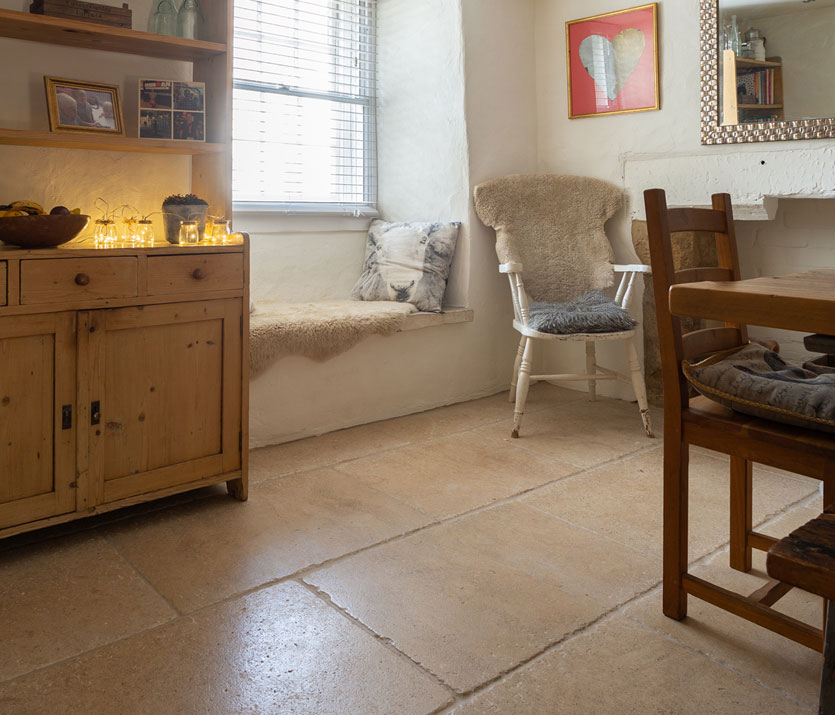
Flagstone floor tiles are a good example of this shift. They’re popular because they don’t try to look perfect. Slight variations in colour and texture give them a settled, lived-in feel that suits British homes particularly well. In busy kitchens and hallways, they’re forgiving. Small marks blend in rather than stand out, which makes daily life easier.
Limestone Floor Tiles is also widely used, especially for aged and tumbled finishes. These stones soften modern interiors and sit comfortably in older properties too. They reflect light gently and help rooms feel warmer without dominating the space.
Texture That Makes a Space Feel Finished
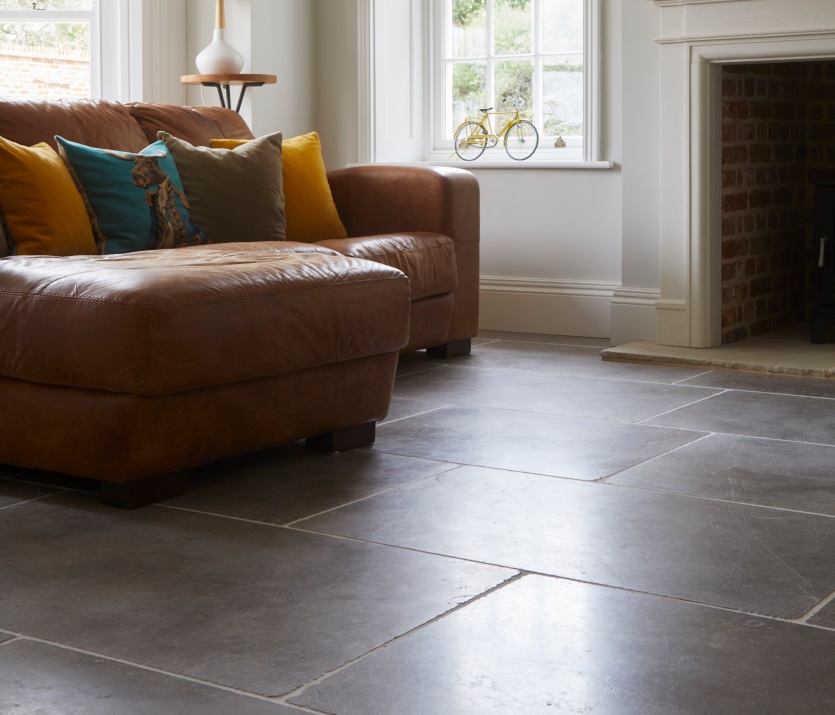
In 2026, texture is becoming a significantly bigger part of the flooring choices. In open-plan spaces, some people still go for those flat, smooth floors. But adding texture makes a room feel more alive and finished, like it’s got some depth.
Patterned stone floors, especially those classic cabochon styles, are showing up in smarter ways now. People aren’t laying them everywhere. Instead, you’ll see them in certain spots, by the door, in the kitchen, maybe in a utility room.
Textured floors are also more comfortable to step on. It is appropriate in family homes, where comfort and grip are of equal importance to appearance.
Porcelain Tiles That Don’t Feel Like a Compromise
Not everyone wants the upkeep that comes with natural stone, and that’s where Porcelain Tiles continue to grow in popularity. The appeal isn’t just durability. It’s how good porcelain looks now.
Modern porcelain tiles can closely replicate natural stone, with slight movement and naturalistic finishes. Porcelain that has a stone-like effect is especially common in kitchens, bathrooms, and utility rooms, where spills and moisture are inevitable.
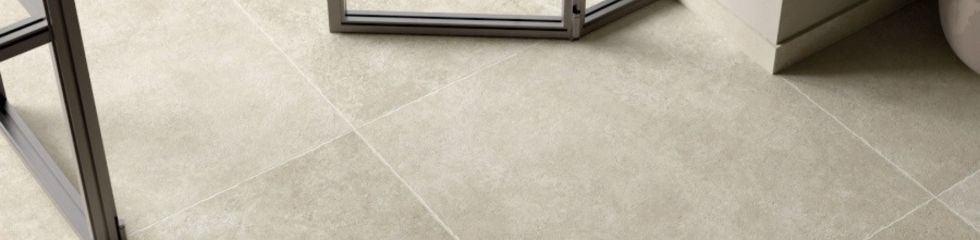
Porcelain is simple to clean, does not require sealing, and is well-suited to daily wear. It is designed to give the right mix of style and practicality without a sense of second-best choice to many homeowners.
Indoor to Outdoor Tiles for Joined-Up Living
The line between indoor and outdoor spaces continues to blur. Gardens and patios are no longer occasionally used areas. They’re part of everyday living.
Indoor-to-outdoor tiles really bring spaces together. When you use the same tiles inside and out, everything just feels bigger and more open. It works especially well with sliding or bi-fold doors, where the flooring becomes one continuous surface.
Porcelain designed for both environments is leading this trend. They can handle the unpredictable British weather outside but still look nice at home indoors. So, for modern homes, they just make sense.
Warmer Colours Are Taking Over
Cool greys are slowly stepping aside in favour of warmer, more natural tones. Flooring in 2026 is leaning towards colours that make spaces feel comfortable and welcoming.
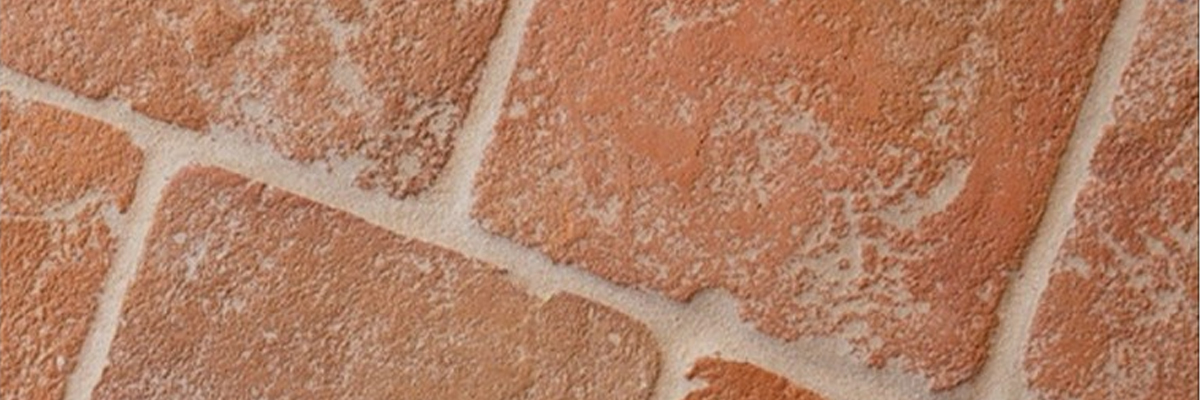
Terracotta floor tiles are a clear favourite. They add warmth without weighing a space down and fit perfectly in kitchens, dining rooms, or any home with a country-style home vibe. The natural colour variation gives each floor its own character, which is something many homeowners now look for.
Alongside terracotta, soft beige, muted stone, and warm clay shades are becoming more common. People are turning to these colours to make their rooms feel lighter and a bit more peaceful, especially when there’s not much sunlight coming in.
Engineered Oak Flooring Still Plays a Key Role
Tiles might be stealing the spotlight lately, but wood still matters a lot in British homes. Engineered oak flooring continues to be chosen for its balance of appearance and performance.
It looks like real wood, but it's tougher. You can use it with underfloor heating, and it stands up to the chaos of busy homes. For 2026, everyone’s loving lighter oak shades and those wide planks. They make rooms feel bigger and brighter but still cosy.
.jpg)
Engineered oak can combine with stone and porcelain. In most houses, tiles are used in functional places, such as in the kitchen and corridors, whereas the living rooms have oak floors that make the house seem softer in general.
Choosing Flooring That Works Long Term
Trends can help narrow your options, but the final decision is made after careful consideration and various factors are taken into account. The best floors are chosen with everyday life in mind.
High-traffic areas benefit from durable stone or porcelain. Quieter spaces may feel more comfortable with wood underfoot. Mixing materials across different zones helps each part of the home work properly while still feeling connected.
The biggest flooring trend for 2026 isn’t about standing out. It’s about choosing materials that age well, feel comfortable, and don’t require constant attention.
For homeowners who want to explore natural stone, porcelain, and engineered oak flooring in person, with expert advice and a wide range of options to view under one roof, Beswick Stone offers a dedicated showroom experience designed to make choosing the right floor far simpler.
Also read :
Tips for Natural Stone Paving Care
Umber Hardwax Engineered Oak
Why Engineered Oak Flooring Is Becoming the New Standard in Modern Homes
