



Your shopping cart is empty!
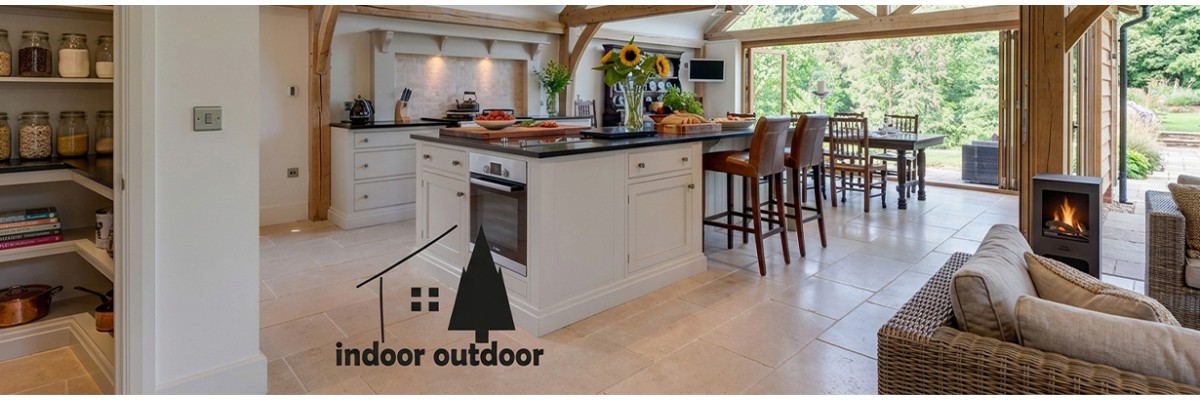
Modern homes are increasingly designed to blur the line between indoor to outdoor living. Open-plan layouts, large glass doors, and garden-facing spaces allow homeowners to extend their living areas beyond the walls of the house. One of the most effective ways to achieve this seamless transition is by matching indoor to outdoor tiles.
Homeowners, architects, and interior designers are increasingly choosing this flooring solution because it enhances modern architecture, supports open-plan living, and creates a stylish, cohesive environment.
Whether you are renovating a kitchen that opens onto a patio or designing a garden entertainment space, indoor to outdoor tiles provide both aesthetic and practical benefits.
Our indoor to outdoor tiles buying guide helps you choose the perfect tiles for a seamless, stylish transition.
Can We Use Indoor to Outdoor Tiles for our Home?
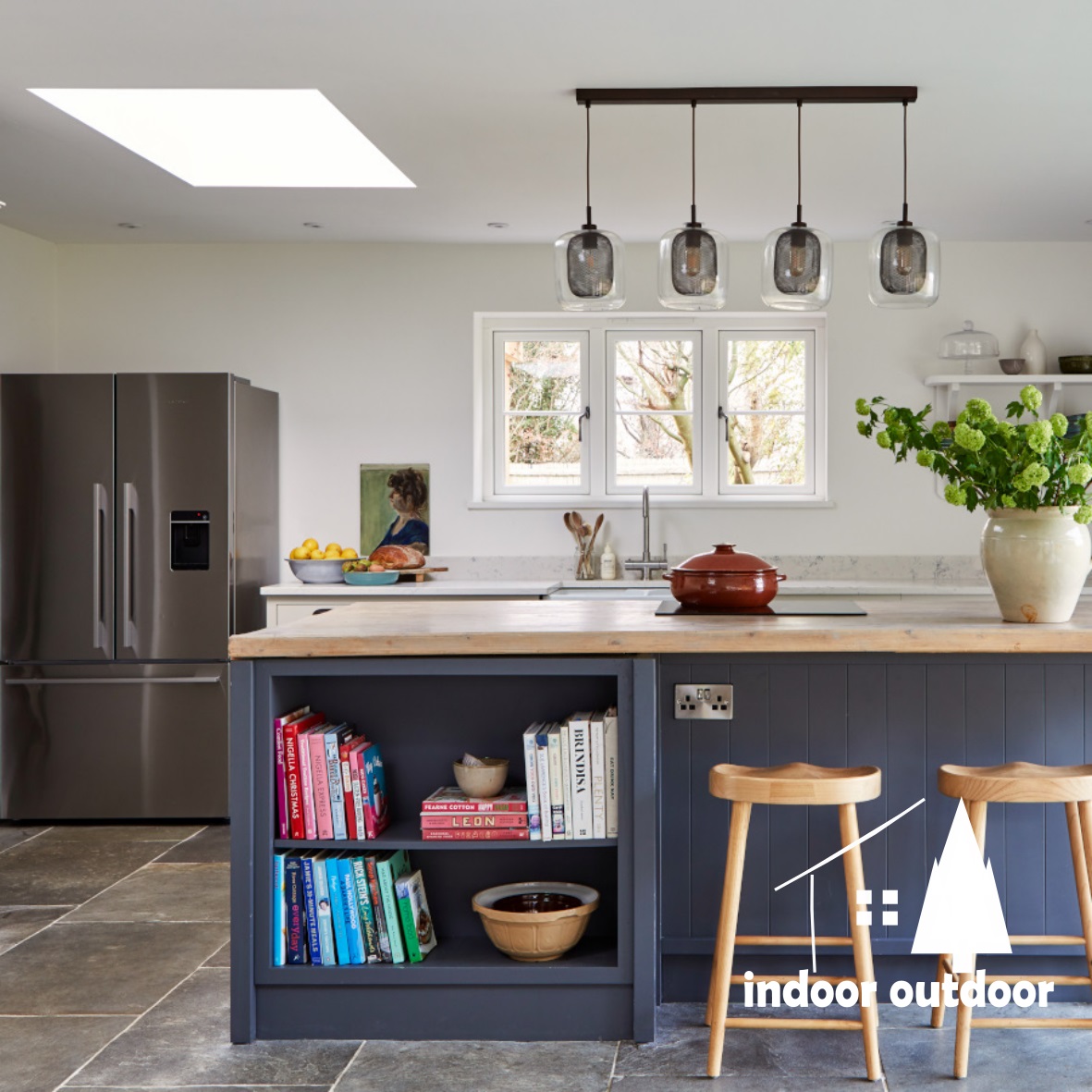
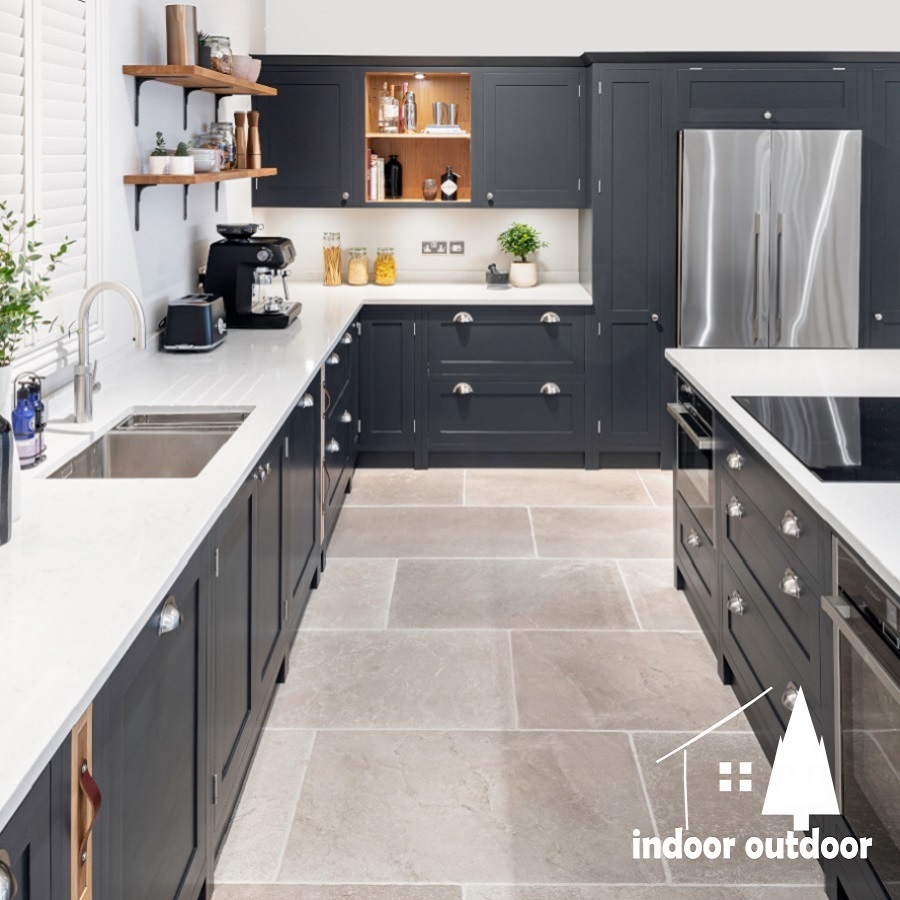
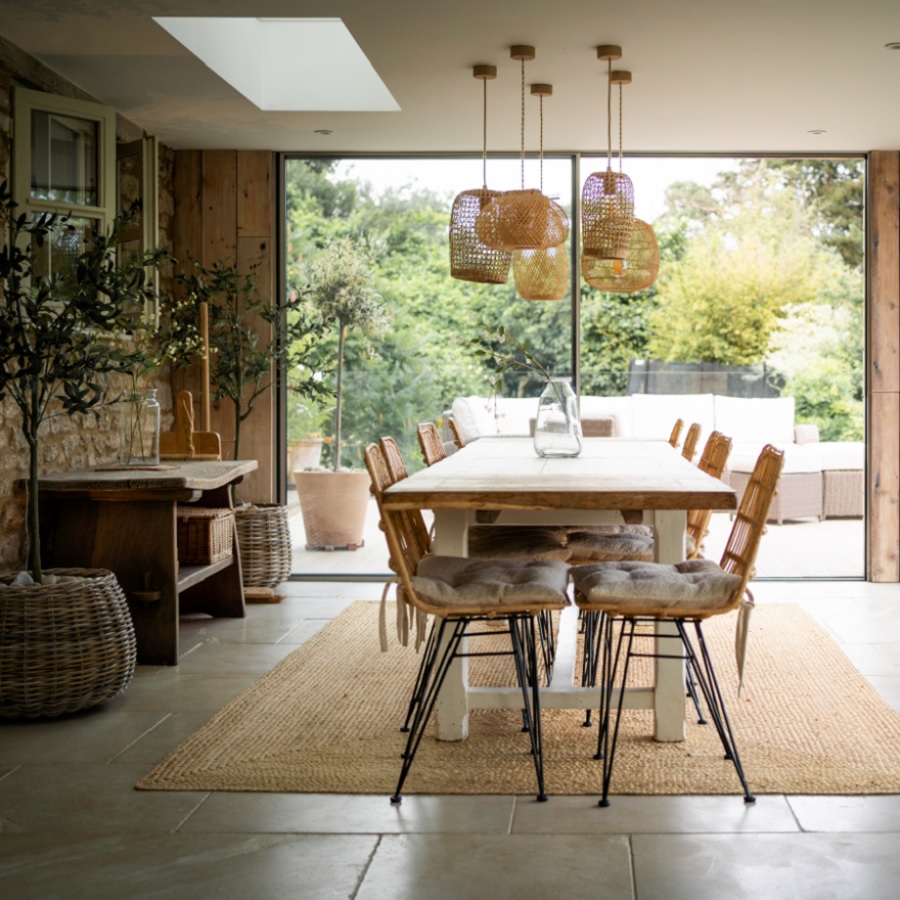
The short answer is Yes. Indoor to outdoor tiles can be used, but there are a few things you should consider while picking the one for your home. Some of them are:
- Slip resistance
- Water absorption
- Durability
- Surface texture
- Material type
You will see many tile collections are particularly designed for indoor to outdoor use. That means the same design is available in thicknesses or finishes.
Types of Indoor to Outdoor Tiles
Our collection of indoor to outdoor tiles include high-grade Italian porcelain to large natural stone flags. Both are in the same large tile sizes that can be used inside to out.
Porcelain Indoor to Outdoor Tiles
For indoor to outdoor flooring, one of the popular and safest options is porcelain tiles. Because of their durability and low water absorption, porcelain tiles resist stains, scratches, and weather damage.
Our indoor to outdoor porcelain tiles benefits include:
- Low maintenance
- High durability
- Excellent slip-resistant finishes
- Wide range of colours and textures
Natural Stone Indoor to Outdoor Tiles
These tiles are prized for their most popular natural indoor/outdoor stones. Materials such as limestone offer distinctive textures and tones that add warmth and character to indoor to outdoor spaces.
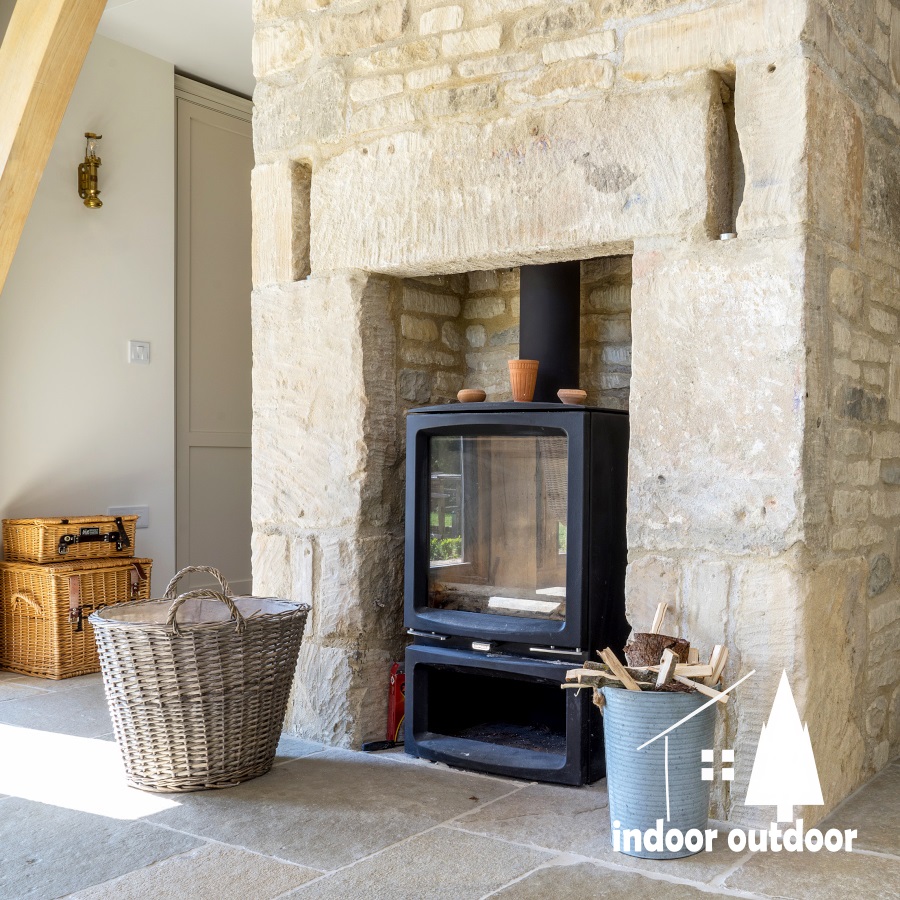
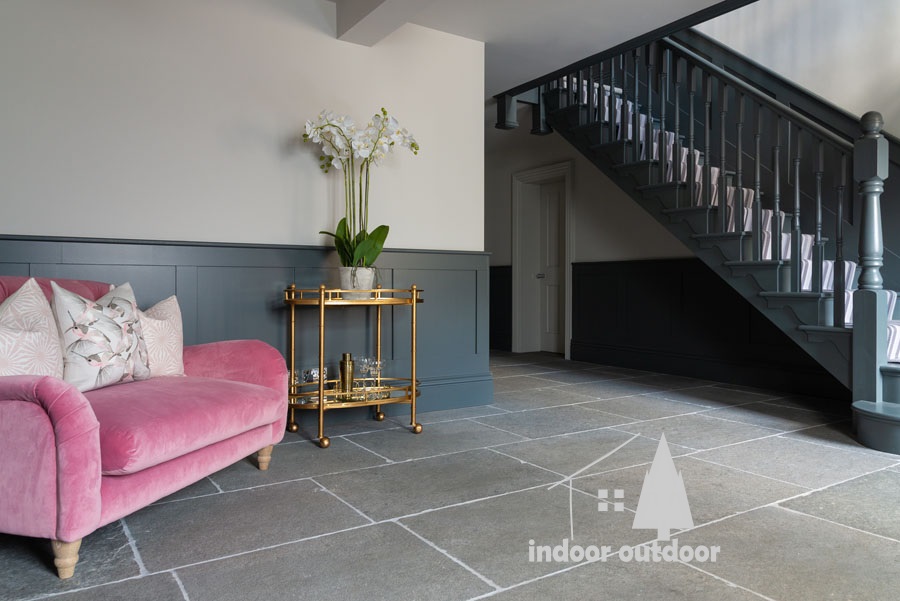
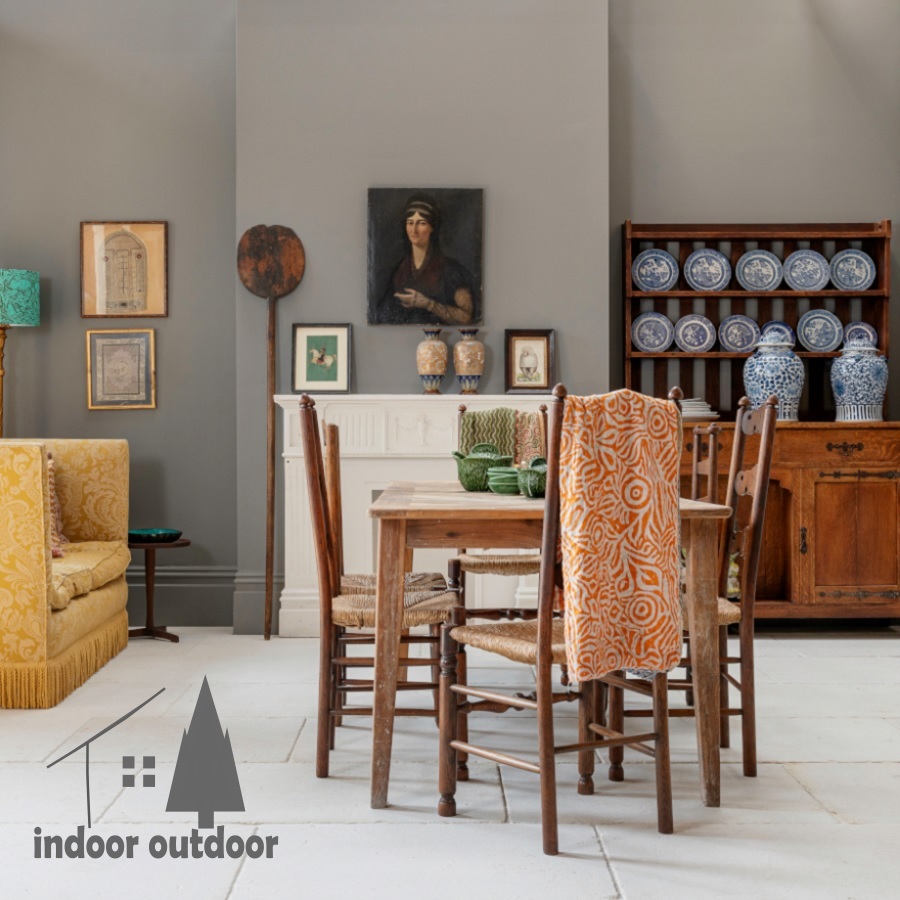
Each indoor to outdoor stone positives include:
- Natural variation in Colour and pattern
- Natural and authentic appearance
- Strong architectural design
Key Factors to Consider When Buying Indoor to Outdoor Tiles
To help you with your next indoor to outdoor tiles purchase online, we’ve listed several factors you should consider.
Slip Resistance for Outdoor Areas
Safety is one of the most important factors when selecting outdoor tiles. Surfaces exposed to rain or moisture must provide sufficient grip to prevent slipping. Look for tiles with a slip-resistant finish suitable for outdoor environments.
Tile Thickness (Indoor vs Outdoor)
To provide a greater strength and durability outdoor tiles are generally thicker than indoor tiles. Our indoor to outdoor porcelain tiles collection offers 10mm tiles for indoor use and 20mm tiles for outdoor use.
Natural stone thickness depends on the density of the stone with half of our range having a dedicated 30mm thick outdoor version and the other half being 22mm thick denser stone that can be used both indoors and out.
Weather and Frost Resistance
Outdoor tiles are supposed to be resistant to freezing, rain, and prolonged exposure to the elements. This is done especially well with low water absorption materials like porcelain and dense limestone.
Colour and Design Consistency
On ordering porcelain, it's often advisable to check that you are happy with the outdoor to indoor tiles colour batch as indoor & outdoor will always be produced in different productions. While a small change in the tone won’t dispel the illusion of the transition being smooth, a marked colour difference will.
Tile Size and Layout
Large tiles are more modern and have fewer grout lines whereas small tiles can be used to provide detail or can fit into small spaces. The layout will be planned to create a visual flow among the indoor to outdoor space.
Best Places to Use Indoor to Outdoor Tiles
Indoor to outdoor tiles can be used in a variety of areas to enhance the connection between the home and the garden area. The benefit of consistent flooring is that the areas feel more integrated and inviting. Common applications include:
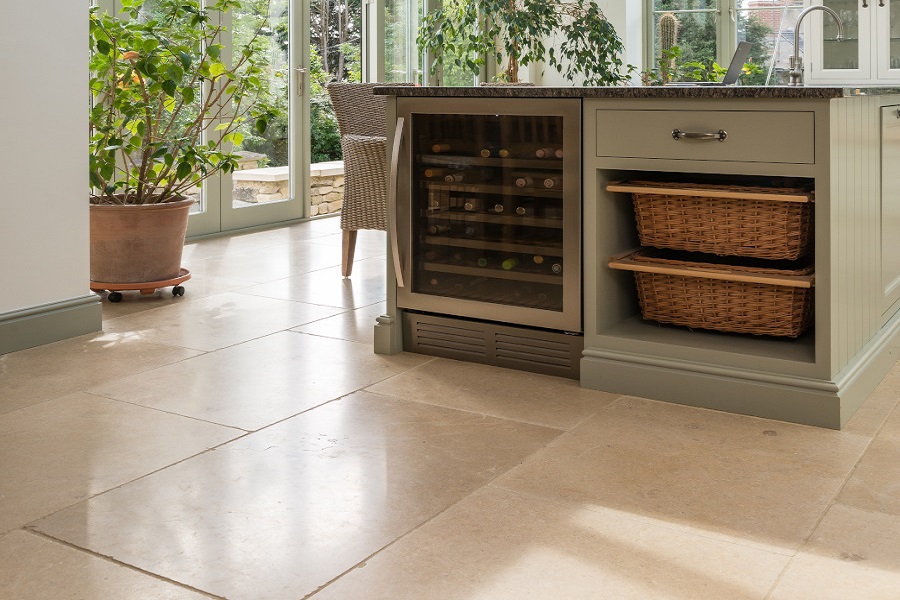
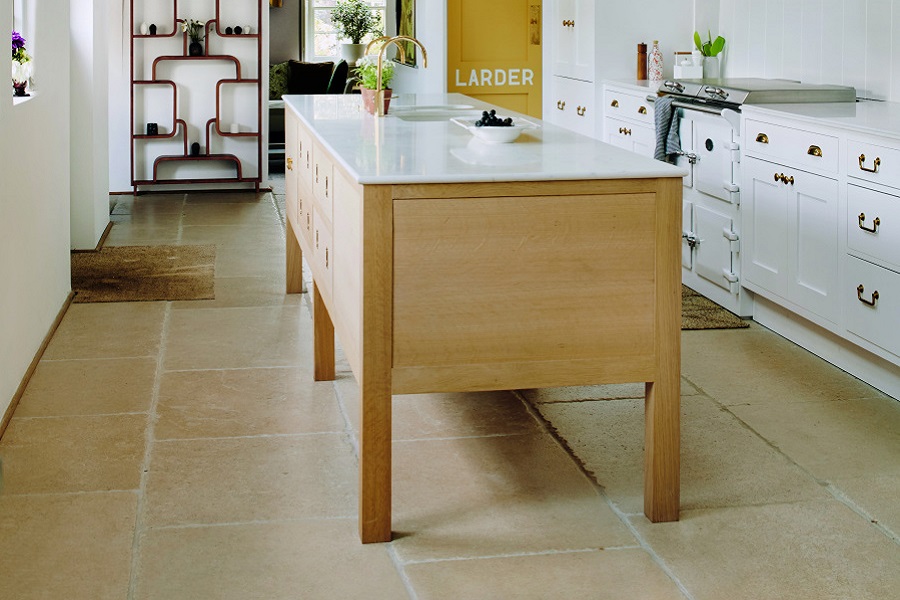
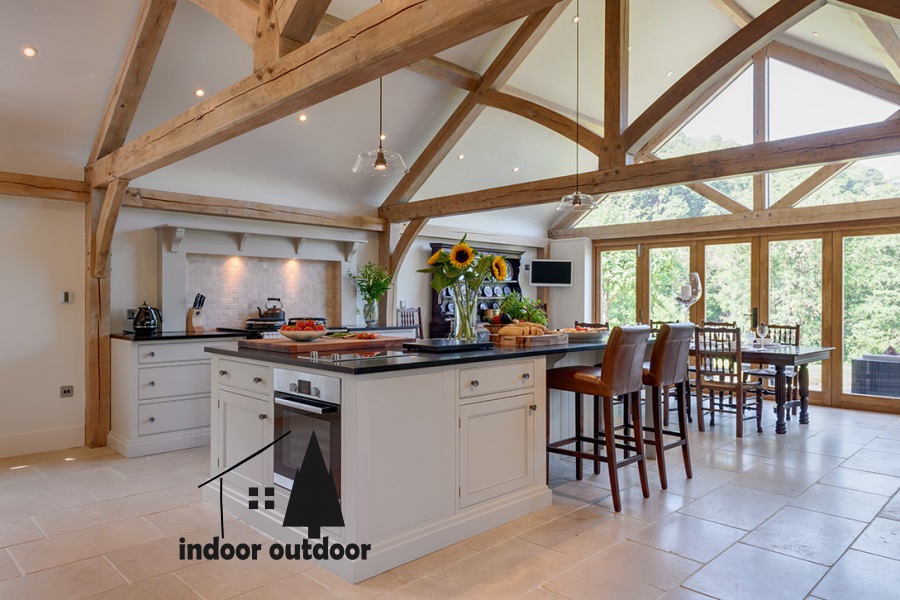
- Kitchens that open onto patios, creating a continuous cooking and dining space
- Garden rooms or sunrooms, where flooring flows directly into the garden
- Dining areas with sliding or bifold doors, ideal for entertaining
- Outdoor entertainment spaces, including patios and terraces used for social gatherings
Conclusion
Indoor to outdoor tiles are an excellent way to create a seamless connection between your home and garden. In addition, they maintain style, durability, and practicality.
By choosing the right materials, slip resistance, thickness, and design consistency, you can achieve a smooth visual flow that enhances both indoor living areas and outdoor spaces. Whether you prefer durable porcelain or the natural character of stone, the right indoor to outdoor tiles can transform your home into a cohesive, modern living environment.
Explore our range of indoor to outdoor porcelain and natural stone tiles to find designs that create a seamless connection between your home and garden.
Frequently Asked Questions
Can the same tile be used indoors and outdoors?
Yes indoor to outdoor tiles can be used for creating a cohesive aesthetic between living spaces. You can check out our collection of porcelain tiles and natural stone indoor to outdoor tiles for your home.
Are indoor to outdoor tiles slippery?
Indoor to outdoor tiles are designed with safety in mind. Outdoor versions typically have a slip-resistant surface texture that provides better grip, even when wet. When choosing tiles for patios or garden areas, always select options rated for outdoor slip resistance.
What thickness should outdoor tiles be?
Outdoor tiles are generally thicker than indoor tiles to withstand weather conditions and heavier loads. A common specification for porcelain is 10mm tiles for indoor spaces and 20mm tiles for outdoor areas, providing the extra strength and durability required outside.
Will the tile crack outside?
High-quality outdoor tiles, particularly porcelain tiles, are designed to resist cracking when properly installed. Their low water absorption and frost resistance help them withstand temperature changes and harsh weather conditions. Ensuring correct installation and a suitable base will further reduce the risk of cracking.
Do indoor to outdoor tiles require special installation?
Yes, outdoor tiles often require a different installation method compared to indoor tiles. Proper groundwork, drainage, and suitable adhesives are important to ensure long-term durability.
You May Also Like:
A Practical Guide to Buying Outdoor Stone for Patios, Paths & Steps
Terracotta Tile Buying Guide: How to Choose the Right Tile for Your Home
The Smart Homeowner’s Buying Guide to Porcelain Tiles
