



Your shopping cart is empty!
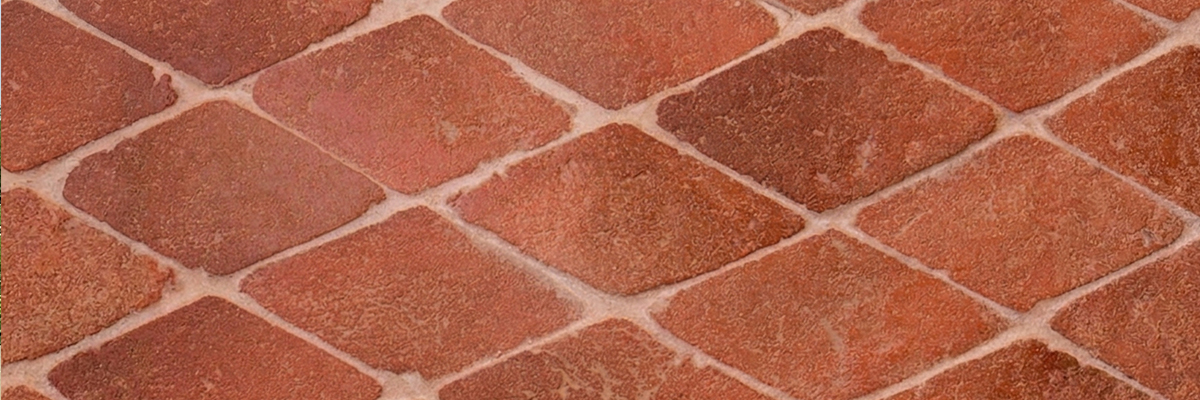
Do you plan to renovate your home with terracotta tiles but are feeling confused while seeing lots of options? Surely it's the best decision to go with terracotta tiles as these are known for their warm colour, rustic texture and timeless charm?
Laid over a floor, these natural variations result in a surface which is organic and comfortable instead of a repeat which is perfect. To most home owners, it is this truthfulness that makes terracotta so attractive.
When viewing lots of terracotta tile options, you face the difficulty of choosing the right one for your flooring. The different tile shapes, sizes, colours and natural variations can all influence how the finished floor will look after installation. The earlier you understand these details, the easier it is to achieve the atmosphere you want in your home.
Let’s learn everything about terracotta tiles and know what you should consider before buying them for your space.
What Makes Terracotta Tiles Unique
Terracotta tiles are made with natural clay and are cast & fired in a kiln. They are always unique due to their natural porous and eco-friendly composition of fired clay. Highly durable for a long time, each tile differs from others and offers a timeless look plus Terracotta offers great thermal insulation properties too.
Characteristic features are:
- Warm clay colours, including burnt orange and deep, earthy red.
- Differences in colour and texture.
- Natural soft edges give it a rustic look.
- A surface that is formed through time.
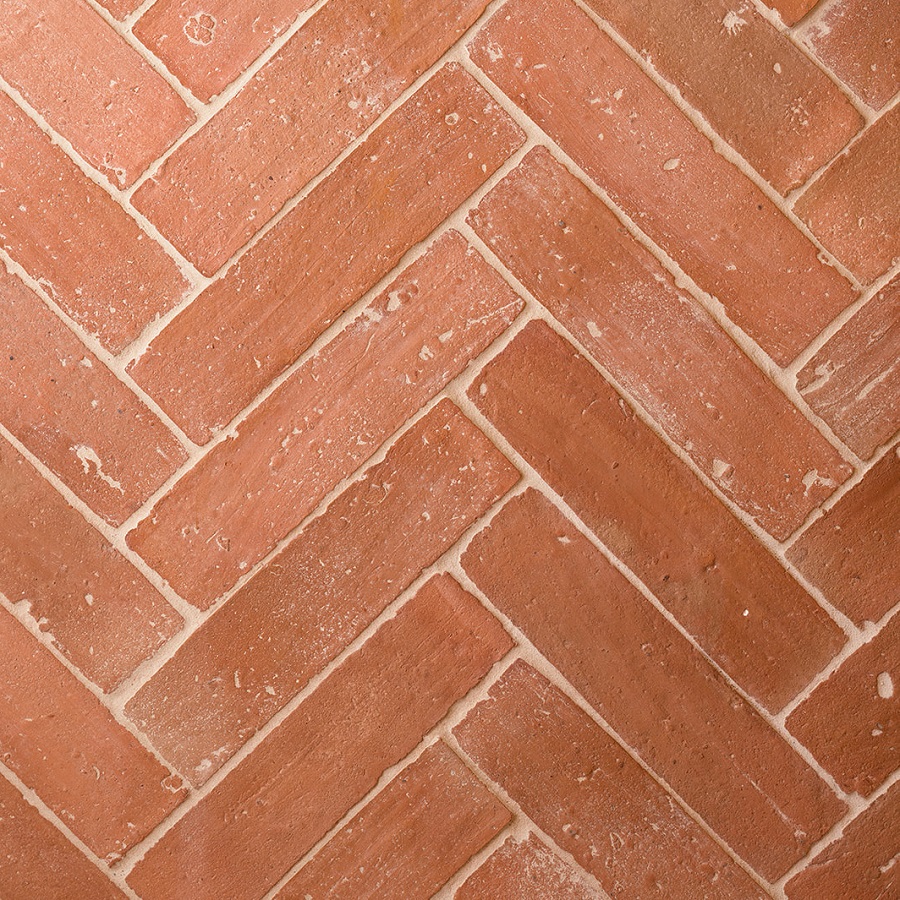
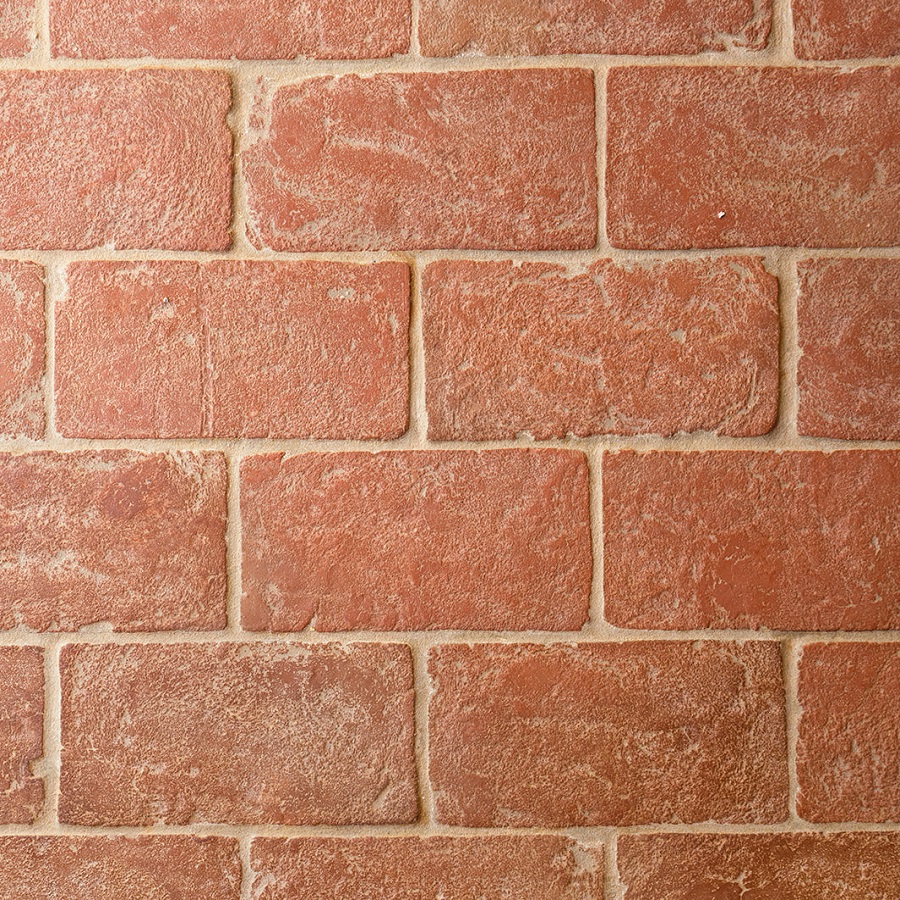
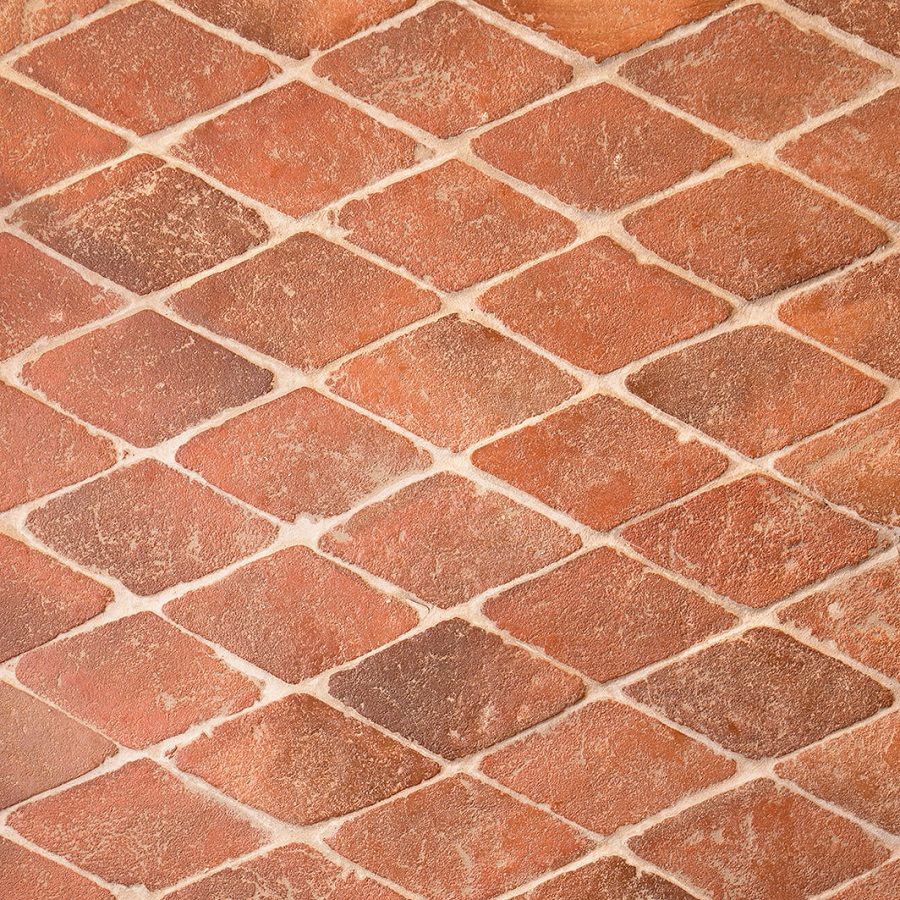
Laid over a floor, these natural variations result in a surface which is organic and comfortable instead of a repeat which is perfect. To most home owners, it is this truthfulness that makes terracotta so attractive.
Where Terracotta Tiles Work Best
Simply wherever you want to bring a lived-in feel and warmth to a room. Like wood or stone, Terracotta can make spaces cosier and more friendly. You can use it anywhere in the home, but it looks most appealing in kitchens, bathrooms and living rooms.
Kitchens
Terracotta tiles show up often in kitchens. They work with wooden cabinets, stone counters, and old-school styles. The colours are natural and it lends a warm and cosy feel.
Dining Rooms
Another advantage of terracotta flooring is that it can bring a warm and genuine atmosphere to the dining room. It goes very well with houses having rustic, farmhouse or Mediterranean-style interiors.
Hallways and Entrance Areas
Entrance areas usually feature durable materials and at the same time, they need to make a good first impression. Terracotta tiles achieve the perfect balance of functionality and prettiness, and at the same time, they help to "warmly" welcome one to the house.
Open-Plan Living Areas
Big rooms can look great with a terracotta floor. The natural colour mix keeps the floor from looking flat or boring plus it adds warmth and depth.
Other natural elements that complement terracotta tiles well are the following:
- Furniture and flooring made of timber.
- Exposed brick walls
- Natural stone surfaces
- Carpets and muted colour schemes.
Terracotta flooring can be used in a manner that adds to the decor of the room so that the interiors of the house have a timeless and welcoming feeling simultaneously.
Choosing the Right Tile Shape
Floor appearance is highly influenced by tile shape. Some tile shapes are more suitable for certain room vibes. Ultimately, it can be based on how much a floor will be the centre of attention.
Square Terracotta Tiles
Square tiles are the most traditional option. They create a balanced and classic floor that works well in:
- Kitchens
- Hallways
- Traditional interiors
- Farmhouse-style homes
Rectangular or Oblong Tiles
Rectangular tiles introduce a slightly more modern look and are currently very popular.
They are often installed in:
- brick patterns
- staggered layouts
- elongated room designs
- Boot rooms
- Larders
These layouts can help create movement across the floor.
Hexagon Tiles
Hexagon tiles add subtle geometric interest while still maintaining the warmth of terracotta.
They are ideal for:
- contemporary rustic interiors
- feature floors in kitchens
- entrance areas
Decorative Shapes
More unusual formats, such as diamond or picket tiles, allow for creative layouts and patterned floors.
These shapes work well in the following:
statement entryways
kitchen zones
design-led interiors
Choosing the Right Tile Size
Tile size has a noticeable impact on how a room feels once the floor is installed.
1. Smaller Tiles
- Offers a traditional & detailed appearance
- Accommodate with older homes and rustic interiors
- Create more visible grout lines
2. Larger Tiles
- Best for achieving a calmer and more open surface
- Reduce the number of grout lines
- Perfectly matches modern interiors
In many cases, medium-sized tiles offer the best balance between character and practicality.
Before choosing a size, consider:
- Dimensions of the room
- Layout of furniture
- How busy or minimal you want the floor to appear
Understanding Natural Colour Variation
One interesting thing about terracotta tiles is that they have a beautiful, natural variation from tile to tile. This comes from how the raw clay responds differently to temperature fluctuations during the kiln firing.
You may notice:
- A difference in tone & shade
- Occasional darker and lighter patches within the same tile
- Subtle surface markings
All these variations are not flaws; instead, they are part of what makes terracotta floors unique.
To create a balanced finish, installers typically do the following:
- Mix tiles from several boxes
- Distribute colour variation evenly
- Arrange tiles before fixing them permanently
This approach ensures the final floor looks natural rather than patchy.
Sealing Terracotta Tiles
Sealing is necessary during the installation because terracotta tiles are naturally porous. The type of sealant or wax used will & can drastically alter the final look of your floor.
A suitable sealer helps:
- Reduce moisture absorption
- Protect against stains
- Enhance the natural colour of the clay
Most installers apply an impregnating sealer after the tiles have been laid and grouted. Depending on the level of foot traffic, the floor may benefit from occasional resealing to maintain protection.
We strongly recommend using an installer who can demonstrate good knowledge of working with Terracotta. They will then be able to discuss with you the final look you want and recommend the correct sealer or wax to achieve this finish.
Installation Considerations
The quality of installation can significantly affect the final result.
A well-installed terracotta floor usually includes:
- A properly prepared and level subfloor
- Careful spacing between tiles
- Consistent grout lines
- Balanced tile placement
Terracotta tiles will differ a bit in colour & thickness. Installers may dry-lay them out first to achieve a good blend so it is important you are on site to take part in this step. Whilst seemingly a small step, it will have a big impact on the final look so is something that should be considered. It is important to discuss this with your potential installer too so they can itemise this cost in their quote - a general £per sqm will generally not include this dry-laying - another reason to employ a fitter with good terracotta experience.
This allows them to:
- Adjust the layout
- Distribute colour variation
- Achieve a more natural-looking floor.
Maintenance and Everyday Care
Terracotta tiles don't demand high regular maintenance. Depending on the finish used, Terracotta can develop its own patina over time and need minimal care. Terracotta floors are very simple to maintain once sealed correctly.
Routine care usually involves:
- Sweeping or vacuuming to remove dust and grit
- Occasional cleaning with a pH-neutral floor cleaner
- Avoiding harsh chemicals that may damage the sealant
Over time, terracotta floors may develop a gentle patina that deepens the colour of the clay. Many homeowners appreciate this gradual ageing process, as it adds character rather than making the floor look worn. This patina can be achieved instantly on installation by using wax finishes or modern finishes that mimic linseed oil - again speak with your installer so they understand exactly what you envisage.
Final Thoughts
Terracotta tiles are a timeless choice for those looking to bring warmth, character and authenticity to their flooring. The earthy clay tones and gentle mottling make a surface which is natural and not overly processed. One should not rush the choice of terracotta tiles, as it is important to think about the tile shape, size and arrangement as well as how the natural colour changes will be seen on the floor. Also, good sealing and meticulous installation are key factors in making the tiles stay good for a long time. In fact, when well thought out, terracotta flooring can be a distinguishing element that adds charm and character to your home for years to come.
Must Read :-
Must Read :-
Porcelain Tiles – The Smart Choice For Your Bathroom
How Do You Pick the Right Flooring for Your Home
How Do You Pick the Right Flooring for Your Home
Frequently Asked Questions
Q1. Are terracotta tiles suitable for kitchens?
Yes, terracotta tiles are a popular choice for kitchens because they are durable and add natural warmth to the space. When properly sealed, they handle everyday use well.
Q2. Do terracotta tiles need sealing?
Yes, terracotta tiles are porous, so sealing helps protect them from moisture and stains while enhancing their natural colour.
Q3. Are terracotta tiles difficult to maintain?
No, they are relatively easy to maintain. Regular sweeping and occasional cleaning with a pH-neutral cleaner are usually enough.
Q4. Can terracotta tiles be used with underfloor heating?
Yes, terracotta tiles work well with underfloor heating, as they retain heat and release it gradually.
Q5. Do terracotta tiles vary in colour?
Yes, slight colour variation is natural with terracotta tiles and is part of their rustic character.
Related Products
