



Your shopping cart is empty!
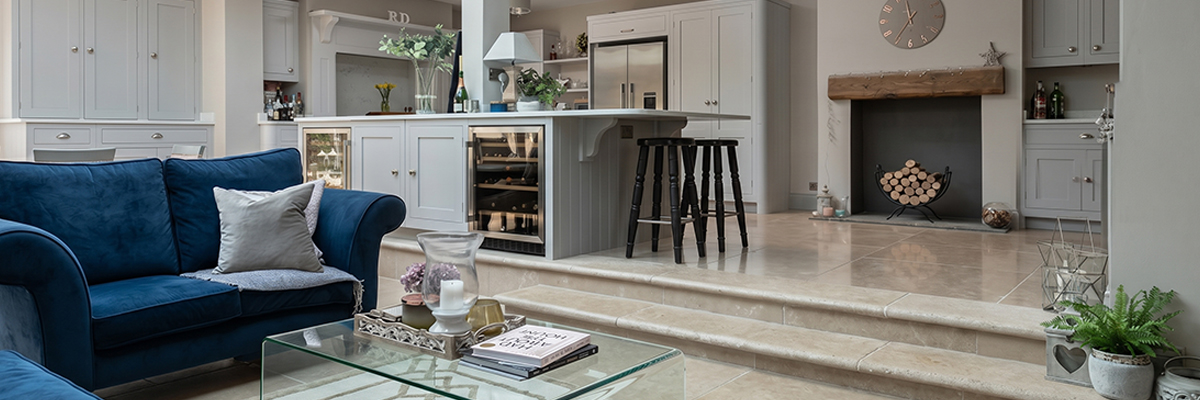
When individuals in the UK begin searching for limestone tiles for their homes, the majority of them consider colour, size, and cost. Cream, grey, beige, large format, and small format – these are typically the initial aspects that strike the eye.
However, there is one crucial aspect that is often misunderstood, and this is limestone grading.
Grading has a direct impact on the appearance of natural limestone floor tiles, their uniformity, the level of maintenance they require, and the level of satisfaction you will experience years after installation.
.jpg)
This is a comprehensive guide that would give you a clear explanation of the grades of limestone, which the majority of the sellers fail to clarify, and enable you to make an informed choice.
What Is Limestone Grading?
Limestone is a sedimentary stone that is created due to compressed shells, minerals and marine deposits over a million years. Due to this natural process, each slab has its own distinctive qualities in the form of fossil marks, veins, natural pits, colour variations and changes in texture.
The system of sorting limestone according to the visibility of these features is called grading by the suppliers of this material. This does not imply that one grade is real and the other is fake. All grades are genuine stone. They are purely classified based on appearance and uniformity.
Related products :
Toulouse Limestone
Why Limestone Grades Matter for Buyers
Knowledge of grading will ensure that you do not experience unpleasant surprises like colour change, maintenance, and post-installation disappointment. It is a common misconception among many consumers that all-natural limestone floor tiles will resemble samples in the showroom. Grade determines in reality how well your delivered tiles are similar to what you initially saw.
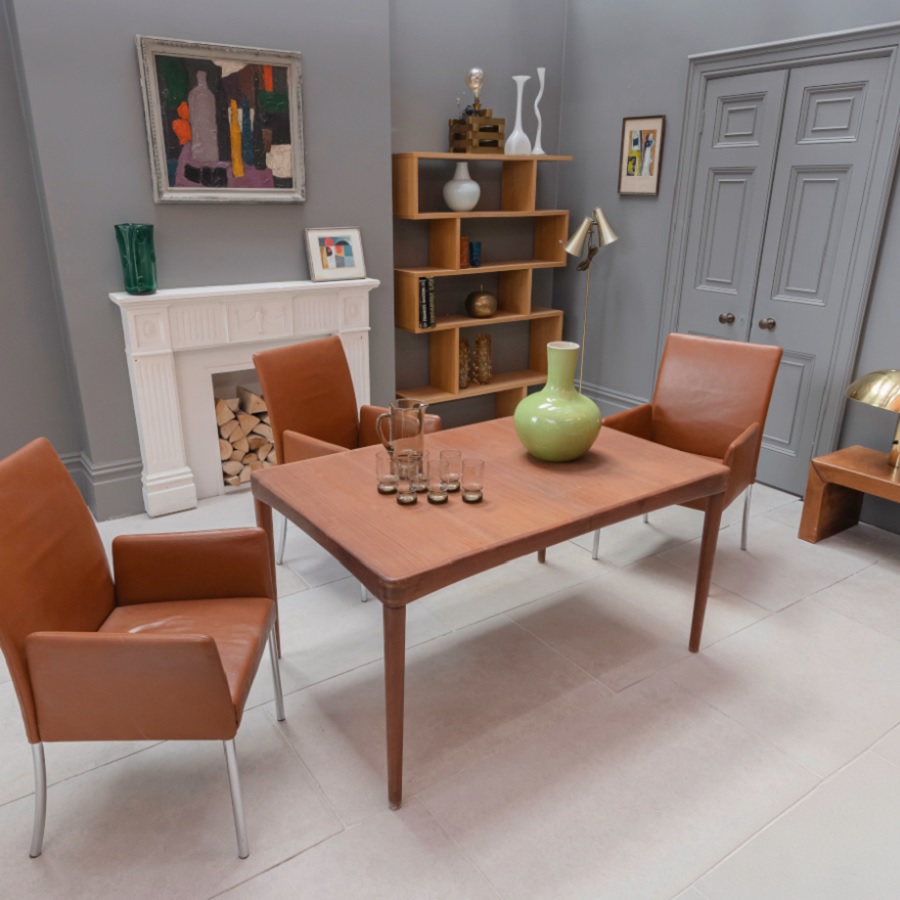
The Three Main Limestone Grades in the UK Market
Despite the minor differences in terms between suppliers, the majority of limestone being sold in the UK can be classified into three broad categories of grades.
1. Premium (Select) Grade
Premium grade is chosen because of visual consistency and fewer surface marks. Such tiles are characterised by a uniform colour scheme, very few fossils, minimal veining, and smooth surfaces.
They are most appropriate in modern houses, high-end apartments and open kitchen areas where clean lines and high-end materials matter. Their predictable appearance makes them easier to design around, and typically, less visual balancing is needed in their installation.
However, premium limestone tiles indoors come at a higher cost and may feel less authentic to buyers who prefer strong natural character.
2. Standard (Commercial) Grade
Standard grade provides a balance between consistency and variability. It is characterised by moderate colour variations, observable but proportionate fossil structures, light veining and few surface pittings.
This grade is suitable for most UK residential houses, such as family houses and renovations. It offers great value at a price and yet gives the natural stone its natural touch.
The majority of natural limestone floor tiles provided in residential buildings belong to this category. Although a certain degree of variation is to be anticipated, professional installation tends to produce a harmonious overall effect.
3. Rustic (Character) Grade
Rustic grade brings out the natural side of limestone. There are strong colour contrasts, high fossils, deeper surface pits and heavier veining.
The grade is usually combined with tumbled limestone tiles to give it a worn and weathered appearance. It is appropriate to period properties, country houses, and interiors in a heritage style where character has a more significant role than consistency.
The Rustic limestone tends to form a rich patina as time progresses; however, it needs more sealing and a little bit of higher maintenance.
The Reality of Sample Tiles
Showroom samples tend to be selected out of the nicest section of a batch. They depict the stone at its optimum and not its average appearance.
Consequently, complete deliveries will have darker tiles, stronger fossils, or more apparent veining than anticipated. This is particularly the case with standard and rustic grades.
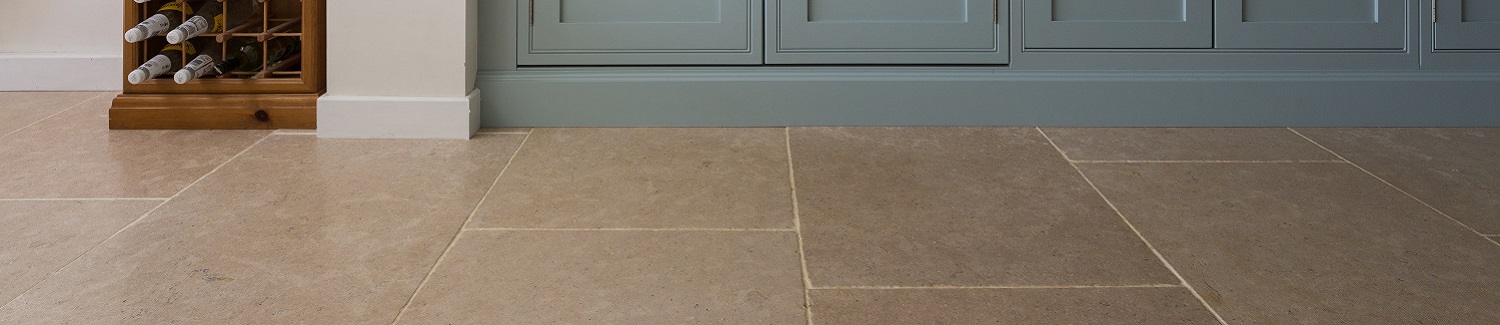
Before making an order, it is prudent to visit and see large displayed areas or ask them to send out batch photographs or bigger samples to have a clearer picture of the overall variation.
How Finish Works With Grade
Finish also makes a significant contribution to the appearance of limestone after use.
Combined with high grades, honed finishes make contemporary smooth floors. Paired with standard grade, brushed finishes provide a less prominent texture and practical everyday appeal. The limestone tiles, tumbled using rustic material, create an antique, weathered look, which is applicable in traditional environments.
Understanding Supplier Terminology
Suppliers tend to rely on marketing words rather than a description of clear grading. The terms like natural variation, “organic appearance”, or “quarry characteristics” help to understand that the visible differences between tiles are to be expected.
These aspects belong to authentic stone and are not flaws. This knowledge can be used to avoid misunderstanding.
Why Some Limestone Is Cheaper
Reduced prices are associated with the processing and quality of grading. Budget limestone can include mixed grades, increased filler level, irregular thickness or a lack of quality control.
It should not necessarily imply bad quality but simply give buyers more reasons to study samples carefully and ask pertinent questions.
Installation and Grading: The Professional Approach
The process of variation is handled by experienced installers and is referred to as dry-laying. Before fixing, tiles are put out so that the colours and patterns can be balanced in the floor.
This measure is vital to attaining a natural and well-distributed look, particularly in case they are dealing with standard or rustic grades.
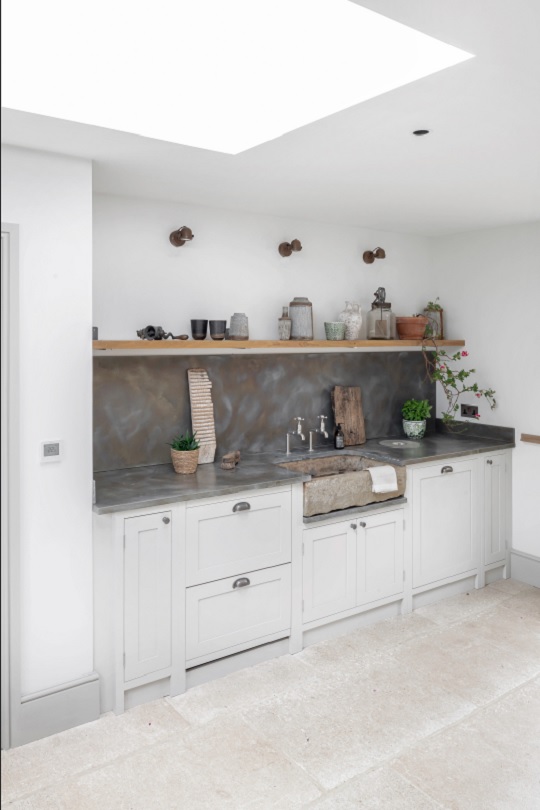
Choosing the Right Grade for Your Property
New-build houses tend to have either premium or standard grades, which put an emphasis on clean lines. Period properties are usually fitted with standard or rustic grades that portray originality. Rural houses usually appear to be well-maintained in rustic, tumbled finishes, whereas in urban apartments, one would think of high-end honed limestone, which is much more convenient to choose.
Maintenance by Grade
Limestone is porous and requires protection. Before and after grouting, floors should be sealed and resealed after one to two years. Use only pH-neutral cleaners, and wipe any spills as soon as possible.
Tumbled limestone tiles used in rustic style may need more regular sealing due to the open texture of the tiles.
Product Link:- Provence Ancient Flagstone
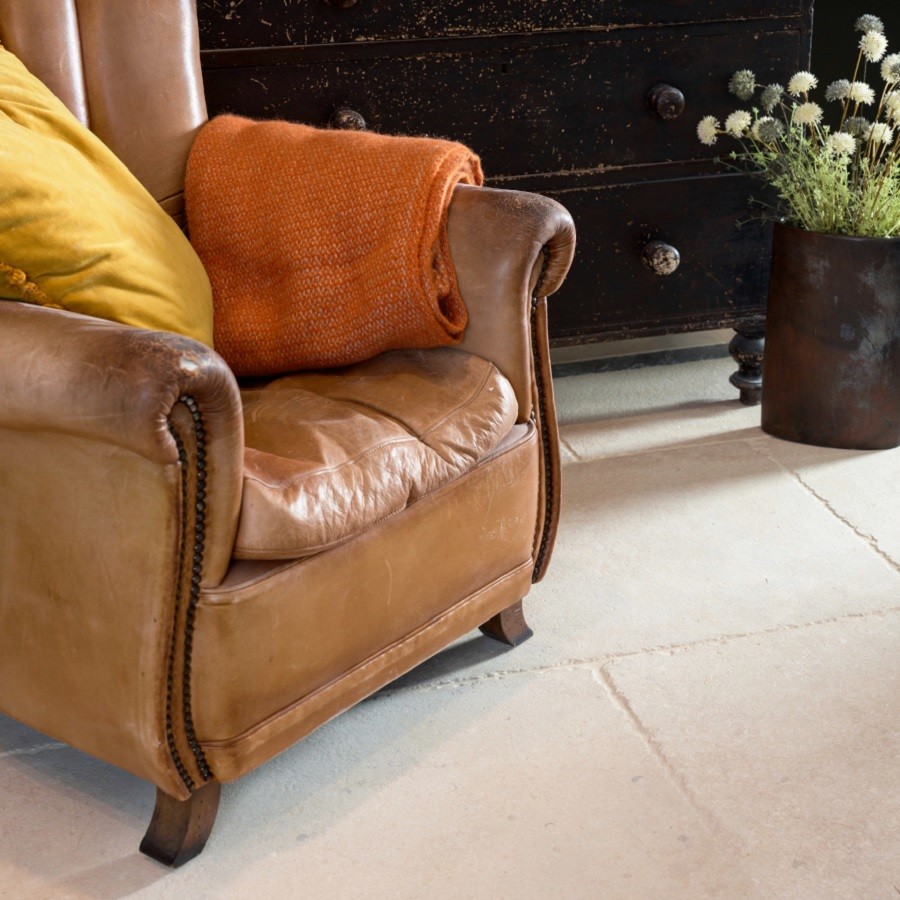
What Most Buyers Discover After Installation
Natural variation that occurs after installation to many homeowners is a surprise, not because it appears bad, but because they were not ready.
When buyers learn about grading, they tend to start valuing these aspects as part of the stone's character as opposed to considering them as a weakness.
Product Link:- Dijon Indoor Outdoor Limestone
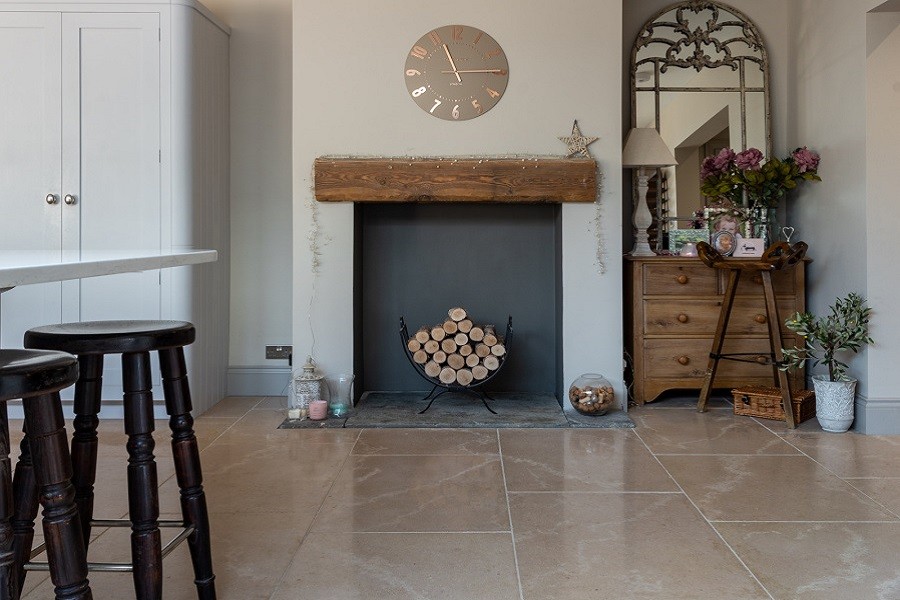
Final Thoughts: Making an Informed Choice
The reason behind the choice of limestone flooring is not about perfect tiles. It is the choice of the appropriate proportion of regularity and personality.
No matter which kind of limestone tiles you are interested in using inside your home, refined limestone tiles, versatile natural limestone floor tiles, or aged tumbled limestone tiles, the grading allows you to control what the ultimate result will be.
Knowing what each grade means, you make purchases in a clear, confident and long-term satisfactory way.
Also Read:-
5 Beautiful Ways to Use Limestone Flooring In Your Home
Choosing the right limestone flooring
Sealing limestone floor tiles with Rocatex
