



Your shopping cart is empty!
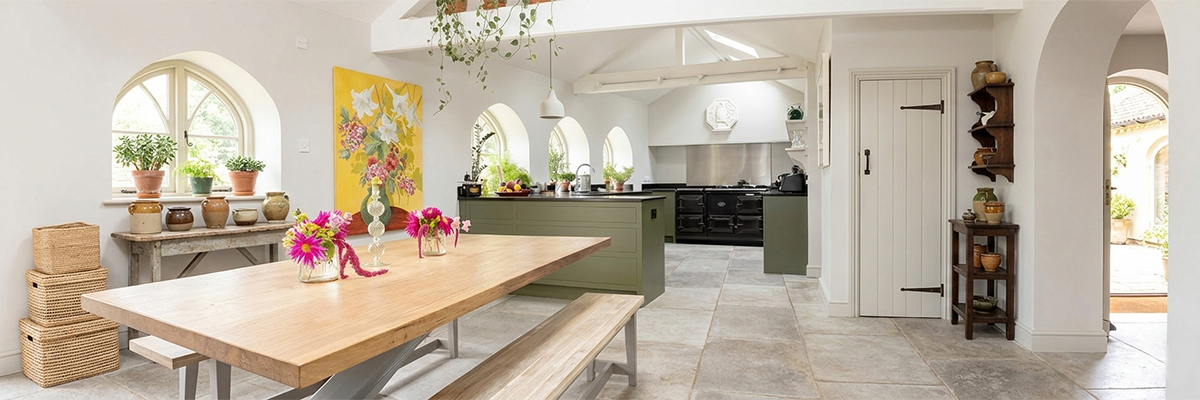
You don’t choose a floor every year. Once it’s down, it’s staying there for a long time. That’s why getting it right matters.
Many homeowners love the look of traditional limestone flagstones. They add warmth, personality and a relaxed farmhouse. But natural stone can be demanding, it can be stained if not properly cared for which can make it a little inconvenient for busy families. And that is where flagstone-look porcelain tiles come in.
They give you the same aged stone appearance, but with the durability and easy upkeep modern homes need.
If you’re considering flagstone effect porcelain tiles for indoor, kitchen, hallway or an extension, this guide will help you make a confident decision.
What Are Flagstone Look Porcelain Tiles?
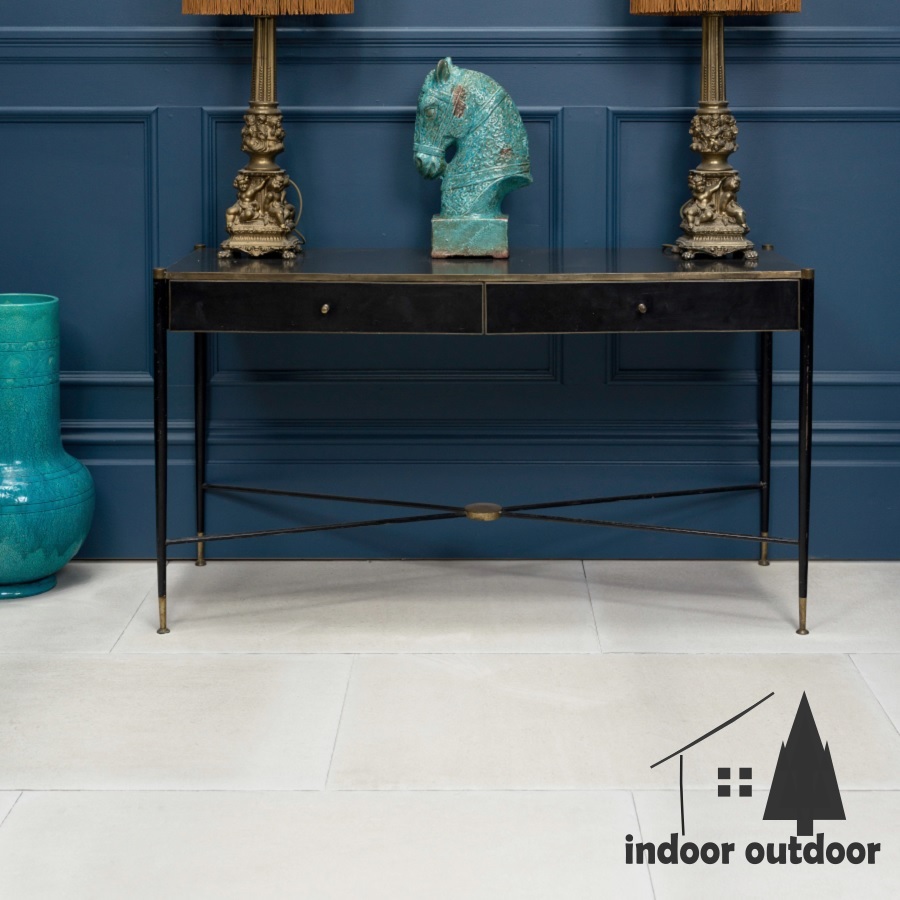
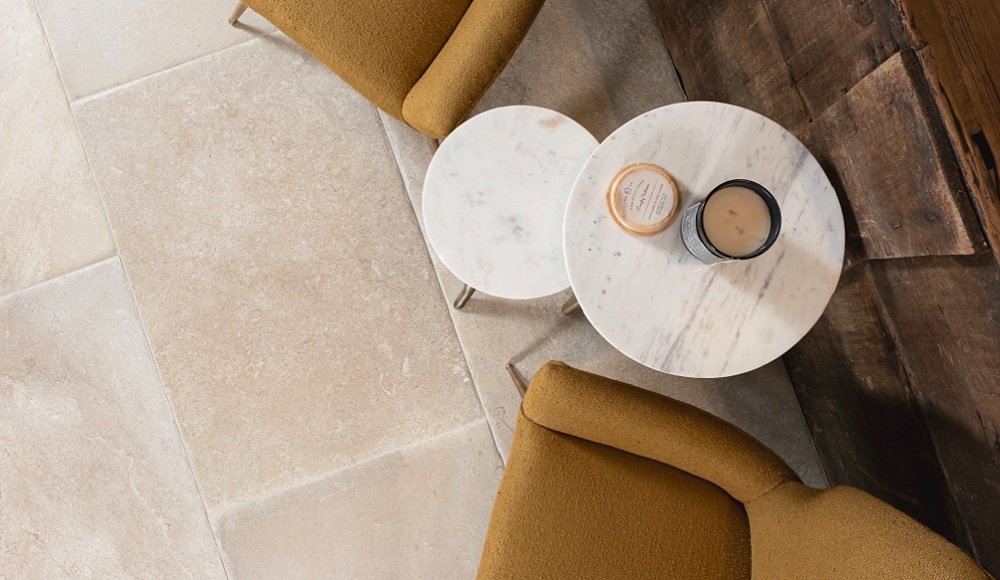
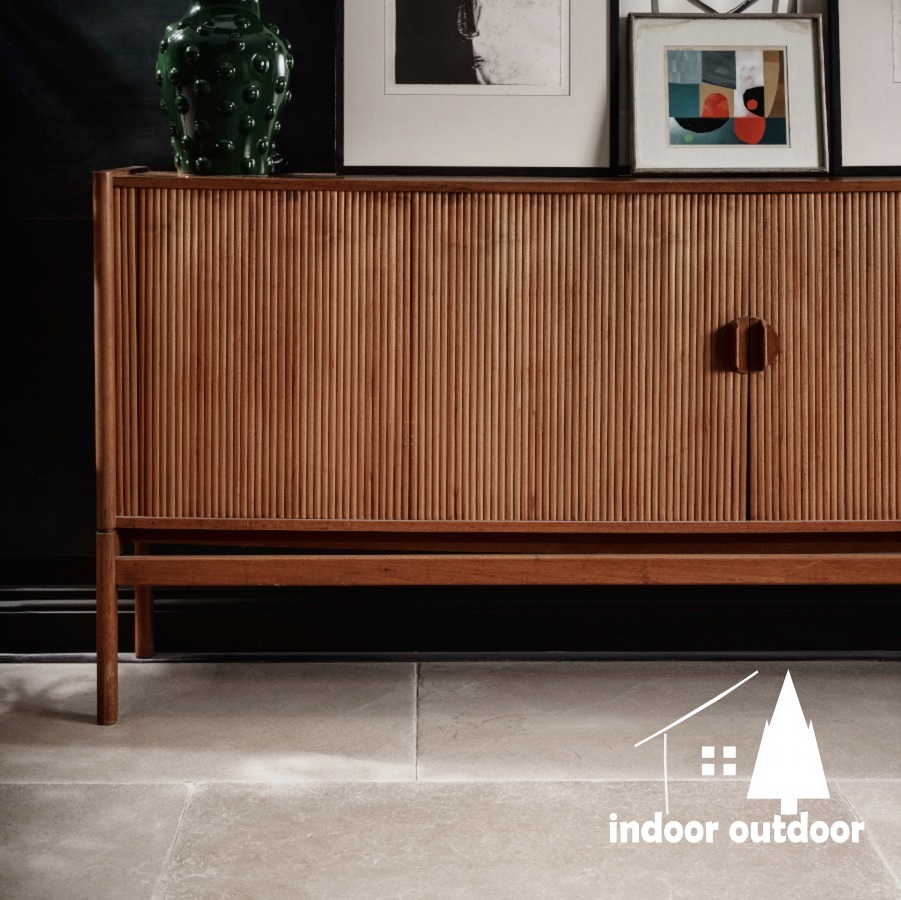
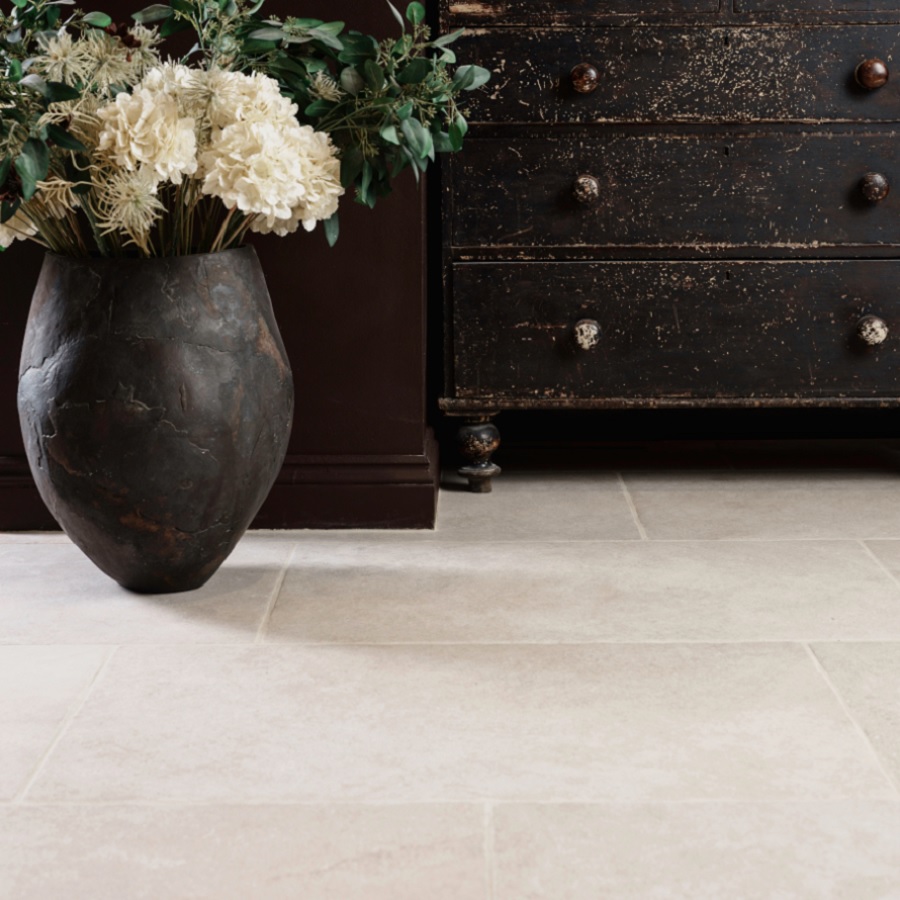
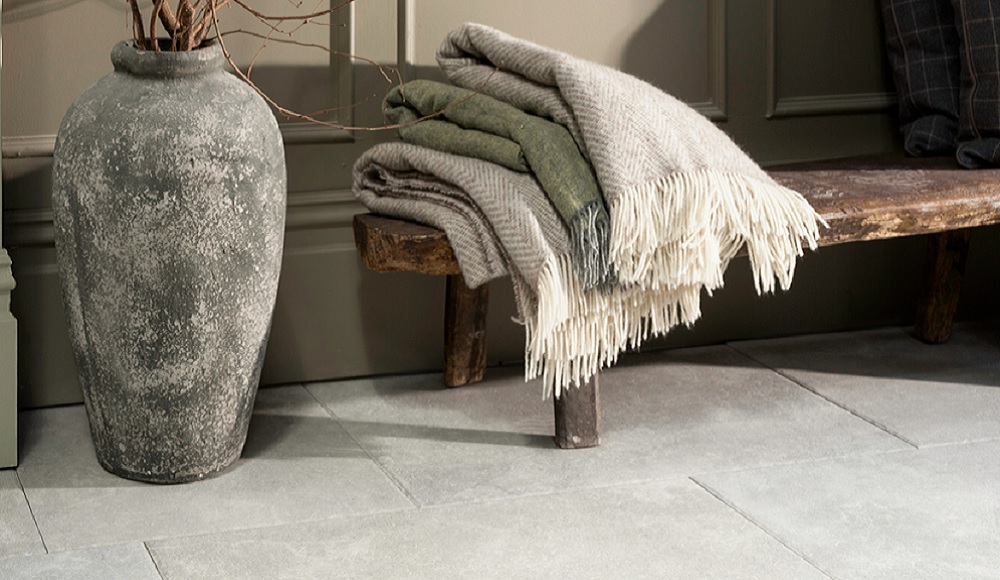
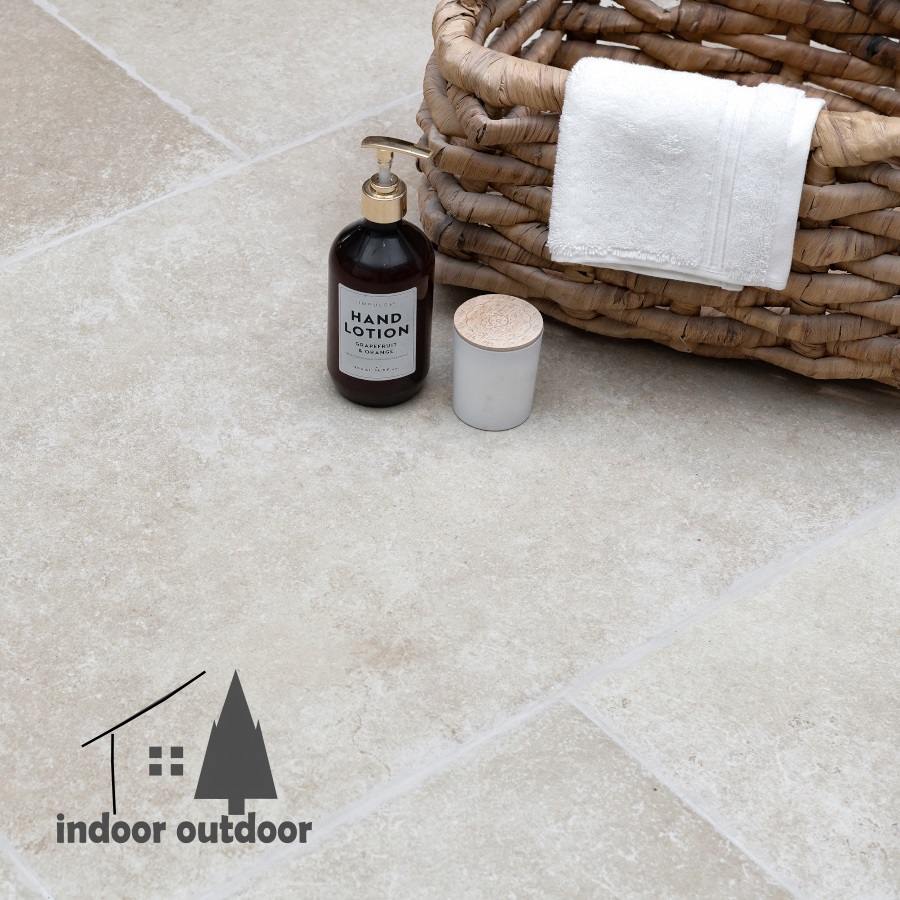
Flagstone-look porcelain tiles are designed to replicate natural limestone or aged stone flags. The surface texture, soft edges and colour variation are created using advanced digital printing techniques.
The difference is in the material.
Instead of porous natural stone, these tiles are made from high-density porcelain. That makes them:
- Hard-wearing
- Low maintenance
- Stain resistant
- Suitable for underfloor heating
- Easier to clean than real stone
You get the charm of traditional flagstones without the ongoing sealing and specialist care.
Related products :
Provi St Remy Porcelain
Indoor to Outdoor Porcelain
Related products :
Provi St Remy Porcelain
Indoor to Outdoor Porcelain
Why Choose Porcelain Over Natural Flagstone?
Natural stone floors look beautiful, but they aren’t always practical for busy modern living. Here’s what usually sways homeowners towards porcelain.
Easier to Maintain
Limestone needs sealing. It also needs resealing. If you skip it, stains can set in. Porcelain doesn’t absorb moisture in the same way, so it’s far less demanding.
Better for Busy Homes
Spills happen. Wet shoes walk in. Dogs shake off rainwater. Porcelain handles everyday life without marking easily.
More Consistent Finish
With real stone, variation can sometimes be unpredictable. Porcelain gives you a controlled, natural look without dramatic colour shifts you weren’t expecting.
Long-Term Value
While both materials can look similar once laid, porcelain tends to cost less to maintain over the years. If you want the flagstone style but don’t want the stress, porcelain is often the smarter option.
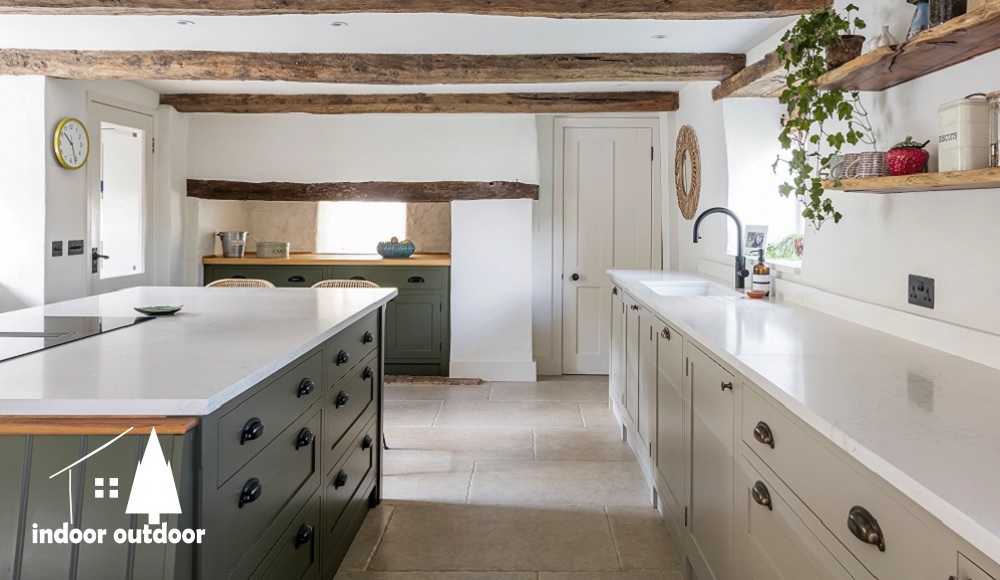
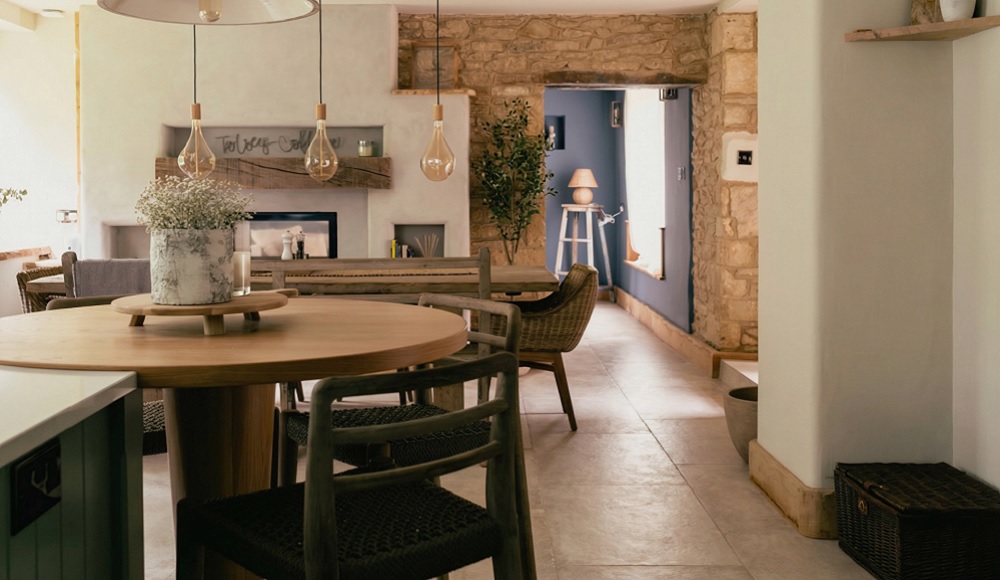
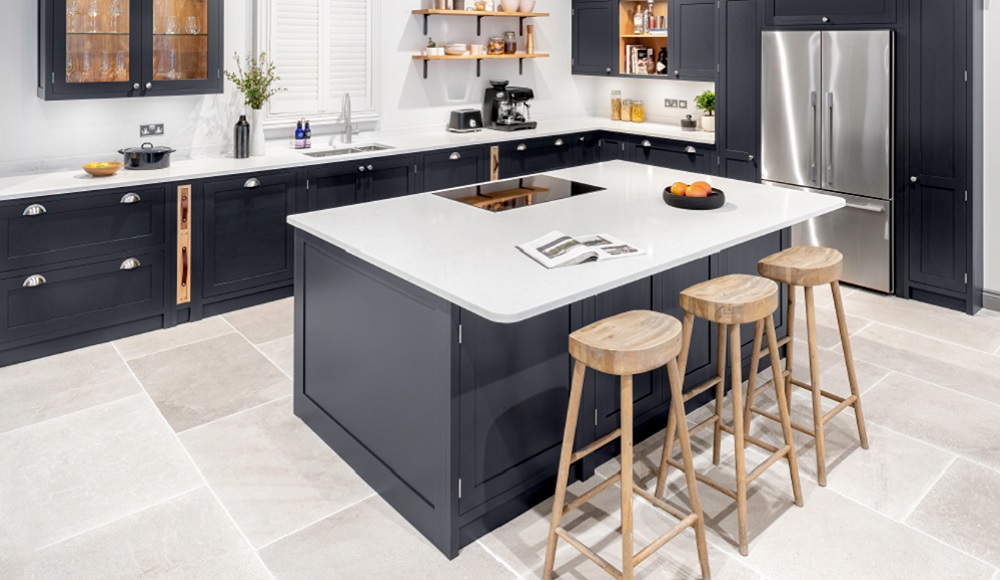
Where Can You Use Flagstone Effect Porcelain Tiles?
One of the main reasons people choose flagstone-look porcelain tiles is versatility. They aren’t limited to one room.
Kitchens
This is the most popular space. Flagstone effect porcelain works beautifully in shaker kitchens, country-style spaces and open-plan kitchen-diners.
Hallways
Hallways take a lot of wear. Porcelain stands up to daily foot traffic, muddy boots and pushchairs without losing its finish.
Living Areas and Extensions
Large-format flagstone tiles help create a seamless look across open-plan ground floors. They also pair well with underfloor heating.
Utility Rooms
These spaces need practical flooring. Porcelain is easy to mop and won’t stain easily.
If you’re thinking about using tiles outside, always check the slip rating and thickness. Not all indoor porcelain tiles are suitable for outdoor use.
Choosing the Right Colour for Your Home
Colour sets the tone of the room. Flagstone look porcelain tiles are available in a wide range of natural shades, from warm beiges to soft greys.
Here’s how to narrow it down.
Warm Beige and Cream Tones
These suits:
- Country kitchens
- Farmhouse interiors
- Period properties
- Cosy family spaces
They brighten the room without making it feel cold.
Soft Greys
Grey flagstone effect porcelain tiles work well in:
- Contemporary homes
- Modern extensions
- Neutral interiors
They give a slightly more updated feel while still keeping the stone look.
Blended or Aged Shades
If you want more character, look for tiles with subtle tonal variation. These mimic traditional European limestone and add depth to the floor.
Always order samples and view them in your own home. Natural light in the UK changes throughout the day, and tiles can look different in the morning compared to the evening.
What Size Tile Is Best?
Most flagstone-look porcelain tiles come in larger formats to replicate natural stone slabs.
Large Format Tiles
These are popular because they:
- Reduce the number of grout lines
- Make rooms feel more open
- Create a more seamless finish
They work particularly well in open-plan spaces and kitchen extensions.
In smaller rooms, large tiles can still look great, but the layout needs planning. A professional fitter can help you position cuts so the floor feels balanced.
Understanding Tile Finishes
Finish affects both appearance and practicality.
Matt Finish
A matte surface gives a natural stone look. It doesn’t reflect too much light and feels understated. This is the most common choice for kitchens and living areas.
Lightly Textured or Riven Finish
This mimics the surface of natural quarried stone. It can offer a slightly better grip, which makes it useful in areas where floors may get wet.
If slip resistance is important, especially near garden doors, check the R rating before purchasing.
Slip Ratings Explained Simply
Slip ratings indicate how much grip a tile provides. For indoor use, most matte porcelain tiles offer sufficient resistance for normal living conditions.
For outdoor use, you should look for an R11 rating or higher. Even though porcelain is frost-resistant, safety matters; always confirm suitability if you’re planning an indoor-outdoor transition.
Laying Patterns for Flagstone Look Porcelain Tiles
The way your tiles are laid can change the overall feel of the room.
Straight Grid
Simple, clean and timeless. This works in both traditional and modern homes.
Staggered Pattern
A slight offset creates a more natural stone appearance. It softens the look and adds interest without feeling busy.
With larger tiles, avoid a full half-tile brick bond. Instead, stagger joints by no more than one-third of the tile length. This helps prevent lippage, where tile edges sit unevenly.
Using a tile levelling system during installation will improve the final result.
Can You Use Underfloor Heating?
Yes. Porcelain works very well with underfloor heating systems.
It is effective in heat conduction and retention, and is best suited to kitchen-diners and extensions. Many UK homeowners choose porcelain indoor tile flooring specifically for this reason.
Just ensure the heating system is installed and tested correctly before tiling.
Recommended products :
Metallike Brass Porcelain
Recommended products :
Metallike Brass Porcelain
Installation Tips That Matter
Good preparation makes all the difference.
Start with a solid base, such as cured concrete or good tile backer boards, which work best. Don’t try laying tiles straight onto timber floorboards. They move too much, and that just leads to trouble down the line.
Use a cement adhesive made for porcelain floor tiles. Skip the ready-mixed stuff; it doesn’t hold up for most floors.
After grouting, make sure the initial clean is carried out properly. Removing grout haze at this stage prevents long-term dullness on the surface.
How Durable Are Flagstone-Look Porcelain Tiles?
Porcelain is one of the toughest flooring materials available for residential use.
It resists:
- Scratches
- Moisture
- Stains
- Fading
- Heavy foot traffic
That makes it suitable for family homes, pets included. If you’re tiling a very busy area, check the tile’s wear rating for added reassurance.
Cleaning and Maintenance
One of the biggest reasons people switch from natural stone to porcelain is ease of care.
For day-to-day cleaning, sweep or vacuum loose dirt. For a weekly clean, use warm water and a mild floor cleaner.
Unlike limestone, porcelain doesn’t require sealing. You won’t need specialist stone products either.
Final Thoughts
If you love the look of traditional stone but want something more practical, flagstone-look porcelain tiles offer the best of both.
They bring warmth and character into your home while standing up to everyday life. They work in kitchens, hallways, living areas and extensions. They pair well with underfloor heating. And they don’t demand constant maintenance.
Before making a final decision, order samples and place them in your space. Walk past them. See them in a different light. A floor is a long-term investment, and it’s worth taking the time to choose the right one.
If you need advice on sizes, finishes or suitability, speaking to an experienced tile specialist from Beswick Stone will help you move forward with confidence.
Also Read :-
Press Picks Beswickstone’s Perfect Porcelain Tiles!Five Ways to Use Fab Grey Tiles
Can you tell the difference? Wood effect porcelain tiles
Related Products
